Matic Magister
May 11, 2026

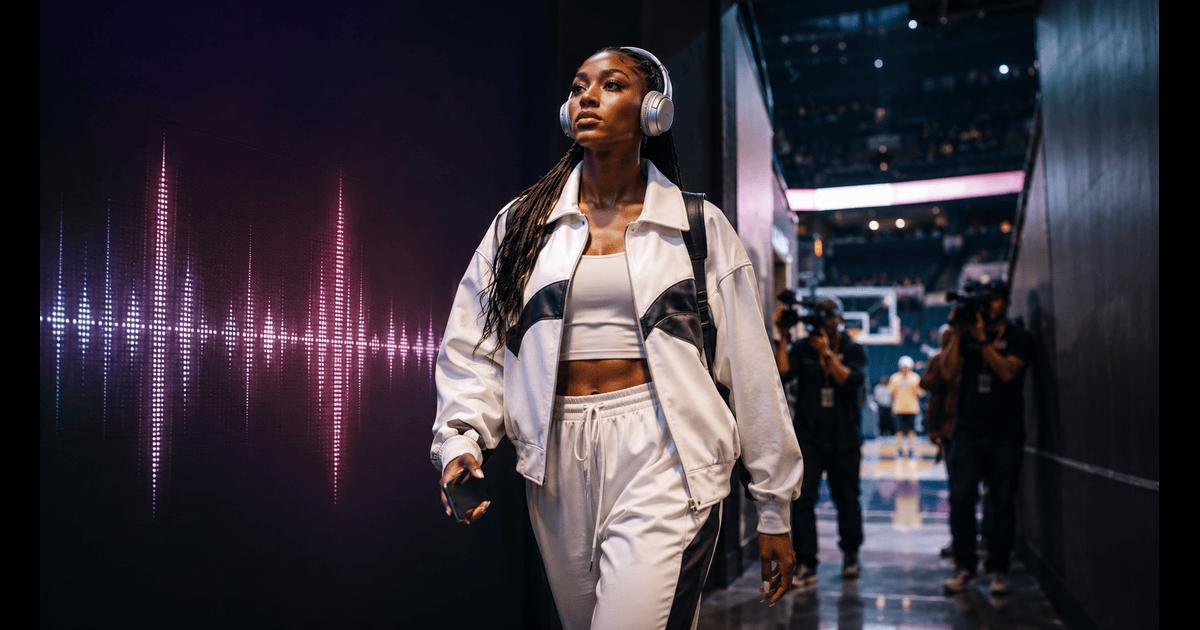

Why does a tunnel walk get more streaming engagement than a televised post-game press conference? Because it is honest culture happening in real time — not curated, not scripted, just a player walking into the arena to a song that says something about her mood that night. The WNBA's tunnel walks have become one of the cleanest examples of how women's sports and music are remixing each other in 2026.
The Pre-Game Tunnel as Performance
The pre-game arrival has become an event in modern professional sports, and the WNBA tunnel walk has emerged as one of the more closely watched versions of the format. Players curate their outfits, their music selections, and their entrance moments with the same care that other public figures bring to red carpets. The fashion, the audio, and the personality combine into a content moment that travels well on social media.
Music is half of that content. The track a player walks in to says something about their mood, their identity, and the energy they want to bring into the game. A Variety profile of the WNBA's tunnel walk culture covered how this format has evolved into a major engagement driver, and the music industry has taken note. Tracks featured in tunnel walks see real streaming bumps, and artists actively cultivate relationships with players who might amplify their work.
The Crossover Audience
The audience for the WNBA overlaps significantly with the audience for modern hip-hop, R&B, and pop. This is not a coincidence. The cultural sensibilities that have grown around the league — confidence, style, expressive personality, social-media-native engagement — align directly with the cultural sensibilities of contemporary popular music. The two audiences are largely the same people.
Operators in the broader entertainment ecosystem have noticed this overlap. Sponsorship deals reflect it. Apparel collaborations reflect it. Even sportsbook markets reflect it: fans in eligible states who explore WNBA betting odds on regulated platforms tend to be the same fans who follow the league's cultural footprint, not just its athletic results. The integration of culture and sport has meaningful commercial consequences.
Players as Tastemakers
WNBA players have become genuine tastemakers in the music space. When a star player publicly endorses a track, the track moves. When a player includes a song in a tunnel walk, the song's streaming numbers measurably bump. This influence is real and tracked, and music industry executives now treat WNBA players as part of the broader influence ecosystem they pay attention to.
Some players have leaned into this role intentionally. They develop relationships with artists. They attend album release events. They host playlists on streaming platforms. The result is a level of integration between athletes and musicians that is rare in other sports leagues, and it is shaping the cultural meaning of the WNBA in ways that pure sports coverage misses.
The Halftime and In-Game Music Layer
WNBA arenas have invested in their in-game music programming. The DJs are talented, the playlists are sophisticated, and the integration of music with the flow of the game is more thoughtful than the cliched arena sounds of past decades. Fans notice. The music is part of why attending a game feels different from attending a typical sporting event.
This is not just a fan-experience issue; it is a content issue. Highlights of in-game moments often go viral specifically because of the music underlying them. A spectacular play paired with a perfectly chosen track produces a clip that travels far better than a play with generic audio. Arena teams that get this right amplify their games' reach without changing anything about the basketball itself.
Music Videos and Cameo Culture
Players have started appearing in music videos, and musicians have started appearing courtside in increasing numbers. The cameo culture cuts both ways. A musician who shows up at a high-profile playoff game gets exposure to the league's audience; a player who appears in a major music video gets exposure to the music audience. The two ecosystems amplify each other.
This is a relatively new phenomenon at this scale. Even five years ago, the cross-traffic between WNBA games and major music releases was modest. Today it is a regular feature of how both worlds operate, and observers expect the integration to continue deepening as both communities continue to grow.
The Social Media Native Generation
Many of the WNBA's most prominent current players grew up entirely in the social media era. They are native to the platforms where music culture lives. They know how to produce content, how to amplify content, and how to participate in the ongoing cultural conversation in ways that older sports leagues have struggled to match.
This native fluency makes the cross-pollination between the league and music feel organic rather than commercial. The players are not following a marketing playbook; they are participating in their own culture. The authenticity is one reason the cultural integration has worked so well, and one reason the audience for both has grown so quickly. A Pew Research analysis on Gen Z cultural participation described this generation's approach to cultural production as fundamentally different from previous generations, and the WNBA happens to be one of the most prominent professional environments where this approach has full expression.
How This Affects Coverage
Sports coverage of the WNBA increasingly includes culture coverage. The fashion, the music, the social-media moments — these are no longer ignored or minimized in mainstream coverage. They are part of the story. ESPN, regional sports networks, and digital-first publishers all dedicate meaningful coverage to these threads alongside the on-court reporting.
This expanded coverage maps onto how fans actually engage with the league. Many fans care about the music as much as the games. Many follow players for their cultural footprint as much as their stats. Coverage that treats these dimensions as central rather than peripheral better matches how the modern fan actually consumes the sport.
The Risks of Integration
Cultural integration has risks. A league that becomes too closely tied to specific cultural moments can age awkwardly when those moments shift. A player who leans heavily into music culture can feel dated if the music shifts away from them. The same is true in reverse: a musician who leans heavily into a specific sport can lose relevance if the sport's cultural moment passes.
The WNBA has, so far, navigated these risks by leaning on broad cultural integration rather than narrow ties to specific artists or moments. The relationship is to a culture rather than to a particular act, which makes it more durable. As long as the underlying culture stays vibrant, the league's connection to it remains valuable.
Looking Ahead
I expect the cultural integration to deepen rather than fade. The next generation of stars will be even more native to the platforms and cultures where music lives. New formats — concert-style halftime shows, music-driven team activations, cross-promotional events — are likely to multiply. The WNBA is operating in cultural territory that other sports leagues are still trying to figure out, and the head start is meaningful.
The challenge for the league will be maintaining the authenticity that has made the integration work. Heavy-handed marketing tends to break authenticity quickly. Light-touch enabling — letting players and culture lead, with the league providing infrastructure rather than direction — has worked so far. Continuing that posture will be one of the leadership tests of the next several years.
Closing Thought
If you are interested in either the WNBA or in modern music culture, you are missing a meaningful slice of the conversation if you are not paying attention to the other. The two have integrated deeply enough that following one without the other gives you a partial view. Pull both into your media diet, and the resulting picture is richer, more interesting, and more reflective of how a real fan in 2026 actually experiences both worlds. The integration is one of the quiet cultural stories of the decade, and it is worth following with the same care you would bring to either domain on its own.
Source of music data: Viberate.com
-
📌 Viberate - Music Intelligence is the data & AI layer behind music analytics, connecting artist discovery, audiences, playlists, tracks, Spotify, TikTok, YouTube, streaming, and radio airplay.
 Next article
 Previous article
11M+ artists, 100M+ songs, 12M+ playlists, 6K+ festivals and 100K+ labels on one platform, built for industry professionals.