Kristian Gorenc Z
Jun 30, 2026

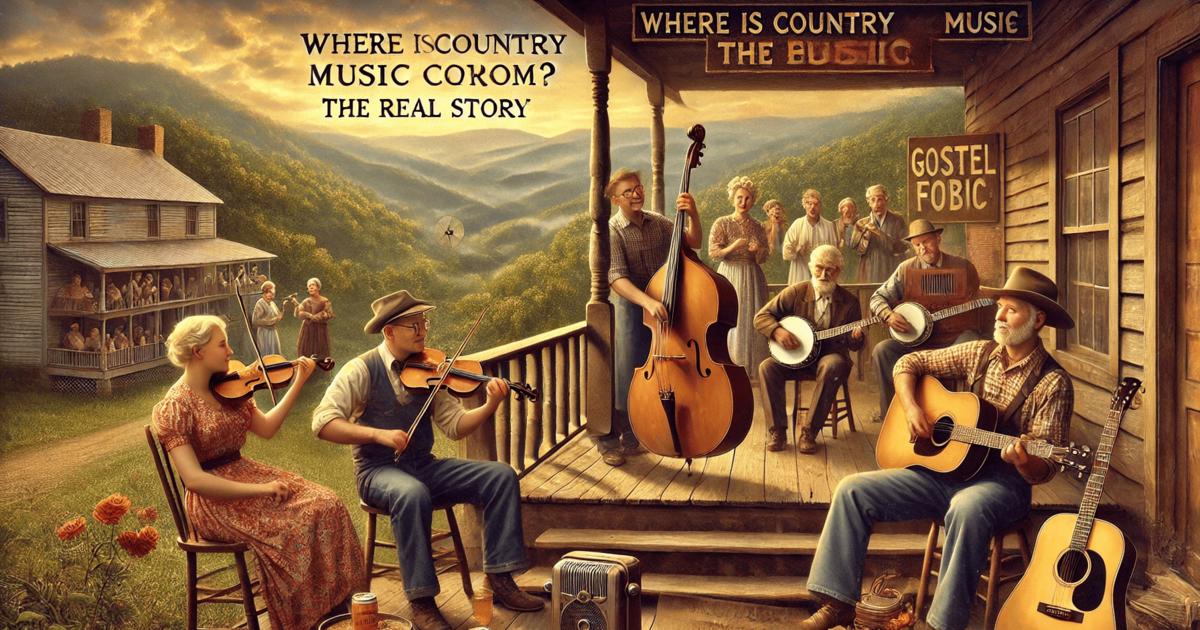

Country music has deep roots tied to the cultural, geographic, and musical fabric of the Southern United States. For professionals working in the music business, understanding where country music comes from is not just academic—it's strategic. Its development offers key lessons in catalog curation, brand storytelling, artist positioning, and how regional genres grow into global industries.
The genre originated in the late 19th and early 20th centuries in rural areas of the Southern United States. Core regions include:
These areas were defined by agricultural economies, isolated communities, and strong oral traditions. Music served as a form of communication, entertainment, and identity preservation. The stories, hardships, and communal values embedded in early country music reflect life in these rural environments.
Country music’s sound emerged from a blend of different folk traditions. British, Irish, and Scottish immigrants brought ballads, fiddles, and storytelling songs to the American South. These traditions laid the foundation for narrative-driven music with a strong melodic structure.
African-American blues and spirituals played an equally critical role. Call-and-response patterns, emotive vocal techniques, and the banjo—all rooted in African musical traditions—shaped the rhythmic and expressive aspects of country. The genre's emotional depth and use of minor keys owe much to these influences.
Religious and gospel music also left a strong imprint. Many early country musicians grew up singing in churches, participating in shape-note singing, or performing at tent revivals. These gospel roots are still present in modern country, especially in themes of redemption, struggle, and faith.
In Texas, Mexican and Tejano styles introduced new instruments, rhythms, and song structures. These influences became especially visible in Western swing and cowboy songs, integrating polka rhythms and accordion-based melodies.
Country music started as an oral tradition. Songs were shared at barn dances, on front porches, and by traveling musicians. This grassroots system of transmission gave the music its authenticity and community focus.
Before it was called "country," the genre was often labeled "hillbilly music." This term, used in the early commercial era, reflected both regional pride and outsider stereotypes. The rebranding to "country music" in the mid-20th century marked a shift toward broader appeal and commercial strategy.
As music professionals, it's crucial to recognize how these informal, grassroots mechanisms evolved into formal industry channels. The genre's early path demonstrates how cultural traditions can scale when supported by emerging technologies and market interest.

Recording companies began to see the potential of rural Southern music in the 1920s. This was the start of a new era—one where what had been personal and communal became commercial.
Artists like:
...helped define the early commercial sound of country. Their success demonstrated demand for this style beyond its original geography.
The 1927 Bristol Sessions were a turning point. Organized by producer Ralph Peer, these recordings brought together various performers from the region and captured a snapshot of early country music. Often called the "Big Bang" of country, these sessions are viewed as the birth of country music as a commercial genre.
As radio became a household medium, country music found a new path to reach listeners. The Grand Ole Opry, a live radio broadcast based in Nashville, was instrumental in turning local musicians into national acts.
Radio removed the geographic limitations of live performance. It allowed for widespread dissemination of a regional genre, helping transform country music into a national movement.
This shift elevated Nashville’s role in the industry. The city became the primary hub for production, talent development, and business operations tied to country music. By the 1940s and 1950s, the genre had diversified into substyles like:
Each of these styles expanded the audience and commercial reach of country, making it a more complex and layered genre.
Understanding where country music comes from offers real business advantages. For example:
Country music didn’t emerge in a vacuum. It developed organically at the intersection of multiple cultures and economic conditions, then scaled through emerging media and smart positioning.

Answering the question where did country music come from means tracing its path through Appalachian hillsides, Southern gospel churches, blues-infused crossroads, and into the recording studios of early Nashville. Today, the genre’s success depends not just on performance, but on how well professionals understand and communicate its roots.
Music executives, marketers, and curators working in or around country music can leverage this knowledge to better shape narratives, develop talent, and grow audiences—based not on nostalgia, but on informed cultural literacy.
Country music isn’t just a genre. It’s a case study in how regional culture, fused with the right mix of influences and technology, becomes a lasting business model.
Source of music data: Viberate.com
-
📌 Viberate - Music Intelligence is the data & AI layer behind music analytics, connecting artist discovery, audiences, playlists, tracks, Spotify, TikTok, YouTube, streaming, and radio airplay.
 Next article
 Previous article
11M+ artists, 100M+ songs, 12M+ playlists, 6K+ festivals and 100K+ labels on one platform, built for industry professionals.