Kristian Gorenc Z
May 17, 2026

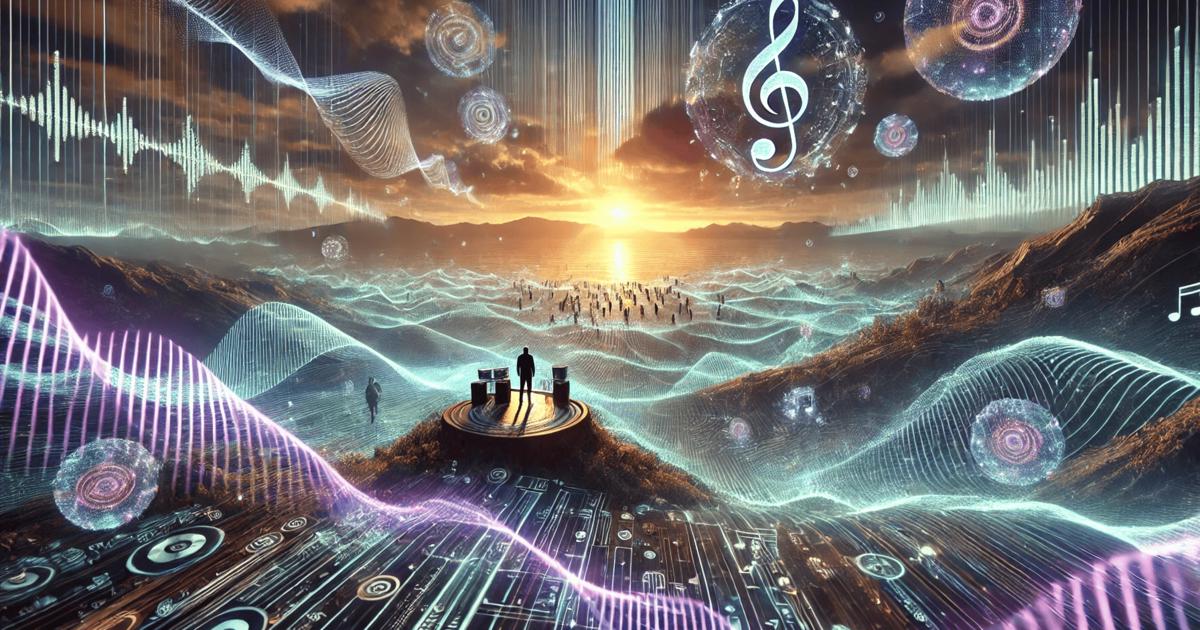

Trance is one of the most influential branches of electronic dance music, often recognized for its ability to create immersive and emotional experiences. When people talk about the genre, they usually refer to its hypnotic rhythms, soaring melodies, and euphoric energy. For newcomers, the question often arises: what is trance music genre? To answer that, it helps to break down its defining qualities, history, and cultural significance.
Trance is a subgenre of electronic dance music (EDM) designed to induce a dreamlike or trance-like state. It does this through repetition, long melodic build-ups, and powerful climaxes that transport listeners emotionally and physically on the dance floor. Unlike some other EDM styles that focus solely on rhythm and bass, trance leans heavily into melodic structure and atmosphere.
The tempo of trance tracks usually falls between 125 and 150 beats per minute. The structure tends to be extended, with tracks often lasting well beyond the three to four minutes typical in popular music. This length allows DJs to layer elements gradually, creating anticipation before a breakdown and then releasing it with a dramatic drop. Sound design plays a central role, with arpeggiated synths, lush atmospheric pads, and uplifting melodies forming the backbone of the genre. While many tracks include vocals—often ethereal and emotional in tone—instrumental compositions are also common. The mood can range widely, from euphoric and uplifting to darker and more psychedelic atmospheres.
Trance first emerged in the early 1990s, mainly in Germany and the Netherlands. It was shaped by the sounds of techno and house, but also carried an influence from classical music’s emotional depth and structure. Early pioneers such as Paul van Dyk, Sven Väth, and Ferry Corsten helped establish the style and bring it to international attention. These artists created tracks that combined steady, driving beats with melodic layers that resonated with large audiences, particularly in European club culture.

As trance evolved, several subgenres formed, each catering to different moods and settings. Progressive trance is known for smooth, evolving layers and gradual builds, making it popular in long DJ sets. Uplifting trance, sometimes called “epic trance,” emphasizes euphoric melodies and high emotional intensity. Psytrance, on the other hand, leans into faster tempos and psychedelic sound design, often creating a hypnotic and intense experience on the dance floor. Tech trance blends the melodic qualities of trance with the harder, more mechanical rhythms of techno, offering a hybrid style that appeals to fans of both genres.
Trance quickly grew beyond clubs and became a fixture of global festivals. Large-scale events dedicated to the genre attract audiences of thousands, united by the shared emotional energy of the music. Iconic festivals such as Transmission or A State of Trance showcase the global reach of the scene. The genre has become associated with positivity, escapism, and a collective spirit, where fans find connection through the shared experience of the music. On the dance floor, trance often creates a sense of togetherness, as melodies and rhythms merge individual experiences into one collective atmosphere.
Trance music is defined by hypnotic rhythms, extended build-ups, and euphoric energy that set it apart within electronic dance music. Emerging from Europe in the early 1990s, it developed into a worldwide movement with numerous subgenres, each contributing to its diversity. Today, trance continues to thrive through festivals, clubs, and dedicated communities, offering listeners not just music, but a cultural experience rooted in connection and emotion.
Source of music data: Viberate.com
-
📌 Viberate - Music Intelligence is the data & AI layer behind music analytics, connecting artist discovery, audiences, playlists, tracks, Spotify, TikTok, YouTube, streaming, and radio airplay.
 Next article
 Previous article
11M+ artists, 100M+ songs, 12M+ playlists, 6K+ festivals and 100K+ labels on one platform, built for industry professionals.