Miha Prebil
May 27, 2026

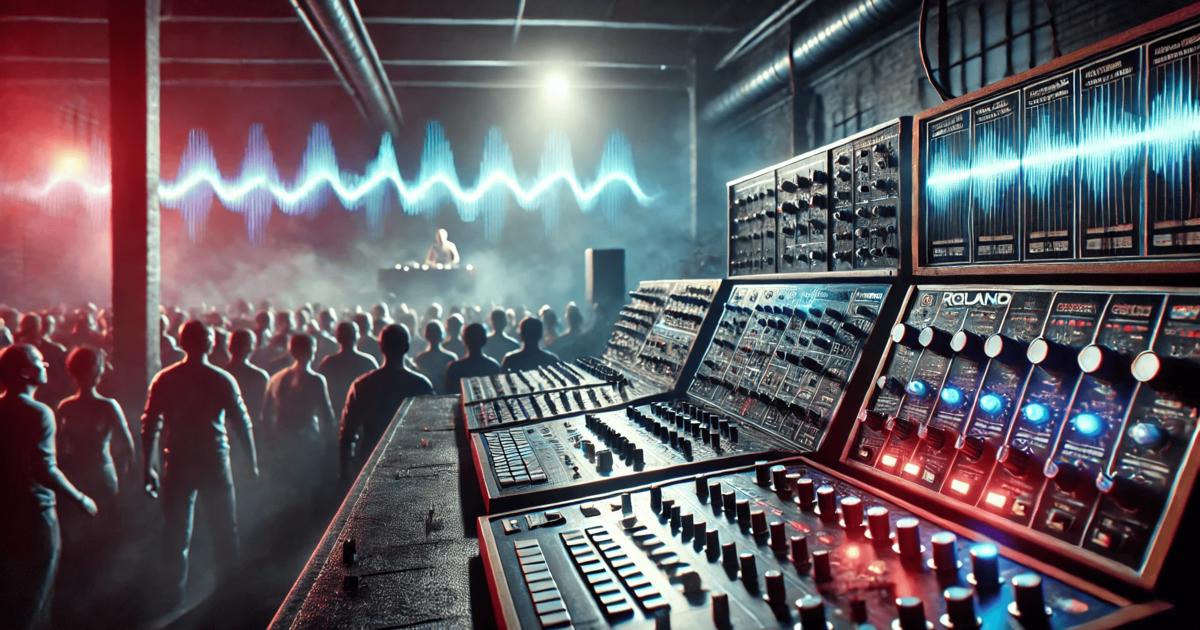

Techno is one of the most influential styles of electronic music, shaping club culture and dancefloors around the world for decades. Built around machines, rhythm, and repetition, techno focuses on creating an immersive listening experience designed for DJs and club environments. The genre emphasizes atmosphere and movement instead of traditional songwriting, making it distinct from many other forms of popular music.
Understanding what is techno music helps explain why the genre remains central to electronic music culture. While techno has evolved into many substyles over time, its core musical identity has stayed remarkably consistent.
Techno is a style of electronic dance music built around repetitive rhythms and machine-generated sounds. It is usually produced with synthesizers, drum machines, and computer software and is designed for DJ mixing and club environments.
Unlike many other forms of popular music, techno focuses strongly on rhythm and atmosphere rather than vocals or traditional song structures. Most tracks are instrumental and structured to create a continuous flow on the dancefloor.

One of the most recognizable aspects of techno is its rhythm. Tracks usually run between 120 and 150 beats per minute and almost always use a steady 4/4 beat. The kick drum typically hits on every beat, creating the classic "four-on-the-floor" rhythm that keeps dancers moving in a consistent pattern.
Sound design plays a central role in techno production. The music is created using electronic instruments and software, with heavy use of synthesizers and drum machines. Producers often aim for mechanical, futuristic, or industrial sound textures. Loops and repeating patterns are common, allowing tracks to evolve gradually while maintaining a steady groove.
Techno tracks are usually longer than typical pop songs because they are designed for DJ mixing. Instead of clear verse-chorus sections, techno relies on gradual changes and subtle transitions. Melodies are often minimal, and vocals are rare or heavily processed when they appear.
Because of these characteristics, techno often feels hypnotic and driving, with small variations developing over time. This steady evolution helps DJs maintain energy on the dancefloor without interrupting the flow of a set.
Techno began in Detroit, USA, in the mid-1980s. A group of producers later known as the Belleville Three — Juan Atkins, Derrick May, and Kevin Saunderson — developed the early sound and laid the foundations for the genre.
Their music combined several important influences. Electronic sounds inspired by European groups like Kraftwerk merged with dance rhythms from Chicago house music. Funk and electro elements also shaped the sound, along with a fascination with machines and future technology.
Early techno reflected the industrial environment of Detroit and the growing influence of digital technology in music production. The use of drum machines and synthesizers allowed producers to create new sounds that did not rely on traditional instruments.
By the early 1990s, techno had spread beyond the United States and into Europe, where major club scenes began to grow. Germany and the United Kingdom became especially important markets, and cities such as Berlin developed strong techno cultures that continue today.
Techno is now played worldwide in clubs and festivals and exists in many different forms. Although the sound varies between artists and regions, the core ideas of rhythm, repetition, and electronic production remain consistent.
When discussing what is techno music, it helps to compare the genre with other forms of electronic dance music. Techno is often confused with house music or festival-style EDM, but the differences are clear once you understand the musical approach.
Compared with house music, techno is typically more mechanical and minimal. House music usually emphasizes groove and warmth, while techno focuses on precision and atmosphere. Vocals appear frequently in house tracks, but techno generally avoids singing or uses heavily processed vocal samples.
Techno also differs significantly from mainstream EDM. Techno relies on subtle progression and repetition, allowing energy to build gradually over time. Festival-style EDM is usually structured around dramatic builds and large drops designed for peak moments. Techno remains closely connected to underground club culture, while EDM is strongly associated with large commercial festivals.
Understanding these differences makes it easier to recognize techno in real listening situations. The steady rhythm, minimal structure, and machine-driven sound set it apart from other electronic styles.

Techno continues to influence electronic music production and DJ culture around the world. Modern producers still rely on drum machines, synthesizers, and software to create tracks that follow the same basic principles established decades ago.
The genre has expanded into many substyles, but the central focus on rhythm and atmosphere remains unchanged. Clubs and festivals continue to feature techno artists, and the music remains a key part of global electronic culture.
For anyone interested in electronic music, understanding what is techno music provides a useful foundation for exploring the wider dance music scene. The genre's emphasis on rhythm, sound design, and gradual development continues to define how electronic music is created and performed today.
Source of music data: Viberate.com
-
📌 Viberate - Music Intelligence is the data & AI layer behind music analytics, connecting artist discovery, audiences, playlists, tracks, Spotify, TikTok, YouTube, streaming, and radio airplay.
 Next article
 Previous article
11M+ artists, 100M+ songs, 12M+ playlists, 6K+ festivals and 100K+ labels on one platform, built for industry professionals.