Kristian Gorenc Z
Jun 12, 2026

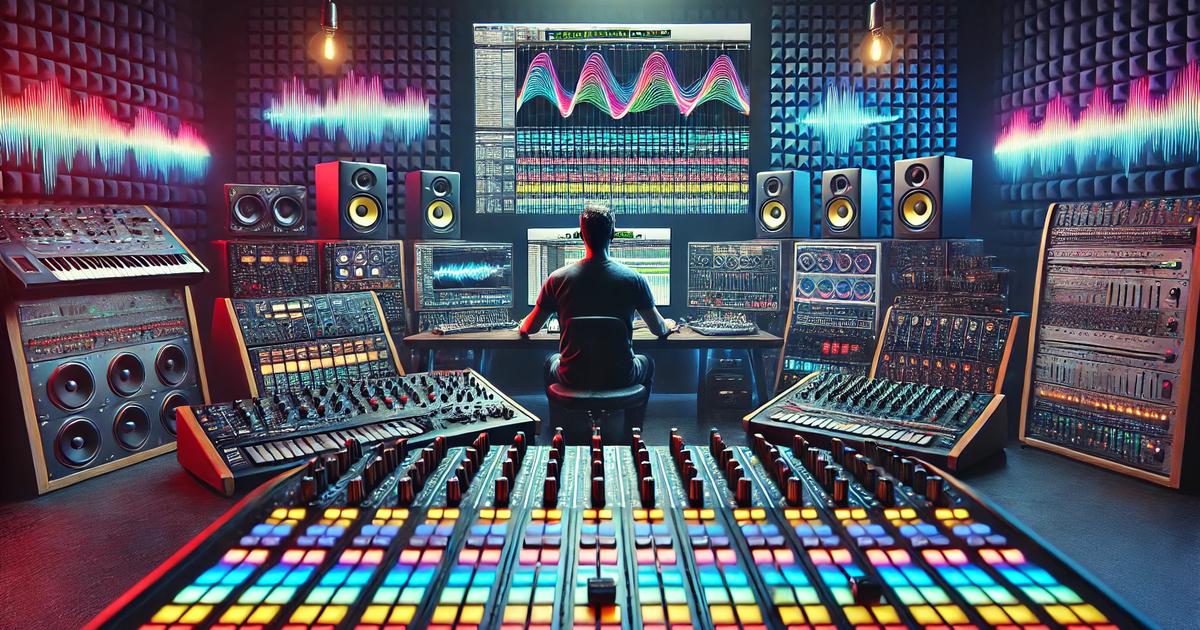

Techno is one of the most influential and long-standing electronic music genres. Known for its hypnotic rhythms and evolving textures, it has been shaping dance floors since the 1980s. For newcomers, producing techno might seem intimidating, but the process becomes clear once you understand the tools and techniques involved. Making techno music combines creativity with technical knowledge, and with consistent practice you can shape your own sound.
The first step in producing techno is selecting the right tools. A Digital Audio Workstation (DAW) is at the core of music production. Popular DAWs for techno include Ableton Live, FL Studio, Logic Pro, and Bitwig. Each has strengths, but all are capable of producing professional-level tracks. Alongside the DAW, drum machines or plugins play a crucial role. Emulations of classics like the Roland TR-909 and TR-808 remain staples, while options like Drumazon or built-in DAW drum racks provide flexibility. Synthesizers are essential for shaping basslines and atmospheric layers. Hardware synths such as Moog, Roland, or Korg bring a tactile experience, while software synths like Serum, Sylenth1, Diva, and Massive offer powerful sound design capabilities. An audio interface and MIDI controller can also improve workflow, though they are not strictly necessary.
Drums form the backbone of techno. Begin with a kick drum that is deep, punchy, and steady in a 4/4 rhythm. This kick sets the pulse for the entire track. Add closed hi-hats on the off-beats to create drive, and use open hi-hats to add energy and groove. Percussion elements such as claps, toms, and metallic hits give texture and variation. While techno thrives on repetition, subtle shifts in timing or effects keep the rhythm from becoming static. Think of the drums as the engine that carries the track forward.
The bass must complement the kick without overpowering it. A sub-bass provides low-end weight, while higher layers can bring character. Synth stabs, pads, and arpeggios add atmosphere and movement. By using modulation, detuning, resonance, and filters, you can create evolving textures that draw listeners into the track. The goal is not to overwhelm the mix with melody but to use sound design to build hypnotic patterns and depth.

A typical techno track follows a progression that balances minimalism with dynamic flow. The usual structure includes an intro, buildup, drop, main groove, breakdown, and outro. Each section should transition smoothly into the next. Subtle changes in percussion, automation, and effects keep the energy moving. Rather than relying on sudden drops, techno tracks usually build tension gradually through evolving rhythms and sound layers. This approach allows DJs to blend tracks seamlessly in a set.
Effects are essential for giving life and space to techno. Filters such as low-pass and high-pass can be automated to create tension and release. Delay and reverb expand sounds, adding atmosphere and dimension. Distortion and saturation give grit and power to drums and bass, making them hit harder on sound systems. These tools should be used creatively but with intention, ensuring they enhance the track rather than clutter it. A well-placed filter sweep or reverb tail can make the difference between a flat loop and an engaging groove.
Mixing is about balance. In techno, the kick and bass are priorities, as they drive the rhythm and energy. Use EQ to ensure that each element has its own space in the frequency spectrum. Compressing drums and bass can glue them together and maintain consistent punch. Stereo imaging helps place elements across the sound field, giving clarity and width. The goal of mixing is to create a track that feels powerful yet controlled, with each sound contributing to the whole.
Mastering is the final polish before a track is released or played in a club. This stage involves applying EQ, limiting, and subtle compression to balance the overall sound. The track should maintain dynamic range while being loud enough to compete with professional releases. Mastering also ensures that the track translates well across different playback systems, from headphones to large club sound systems. While some producers master their own tracks, many prefer to work with professional mastering engineers for the best results.
Learning how to make techno music takes time and repetition. Analyzing tracks from established artists can provide valuable insights into arrangement, sound design, and mixing. Artists such as Jeff Mills, Charlotte de Witte, Adam Beyer, Amelie Lens, and Robert Hood are excellent references. Compare your work with their tracks to check loudness, balance, and groove. Over time, you will develop an ear for what works and how to refine your production process.

Producing techno is about creating hypnotic, evolving soundscapes that captivate listeners on the dance floor. By focusing on strong drum foundations, well-designed basslines, evolving synth textures, and polished mixing and mastering, you can create tracks that hold their own against professional productions. Consistent practice, coupled with referencing established artists, will steadily improve your skills. Techno is a genre built on subtle evolution rather than big drops, so focus on gradual changes and attention to detail to keep your listeners engaged.
Source of music data: Viberate.com
-
📌 Viberate - Music Intelligence is the data & AI layer behind music analytics, connecting artist discovery, audiences, playlists, tracks, Spotify, TikTok, YouTube, streaming, and radio airplay.
 Next article
 Previous article
11M+ artists, 100M+ songs, 12M+ playlists, 6K+ festivals and 100K+ labels on one platform, built for industry professionals.