Kristian Gorenc Z
Jul 12, 2026

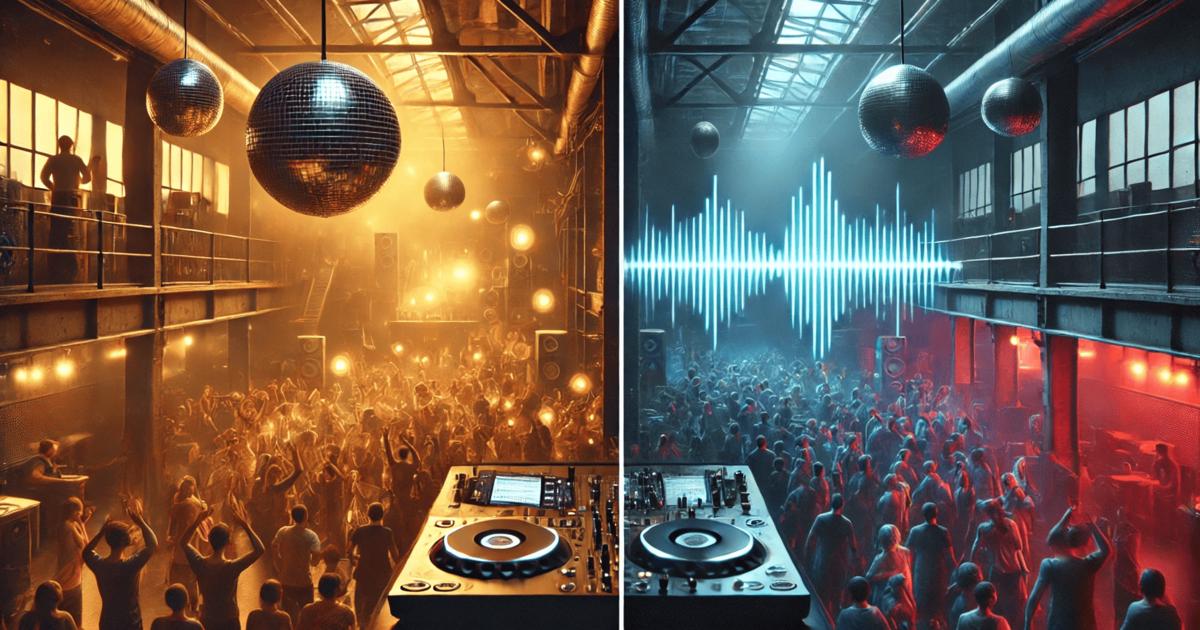

House music and techno are two closely related styles of electronic dance music that have shaped club culture for decades. Both rely on electronic instruments, steady rhythms, and DJ-friendly structures designed for dance floors. Because they share similar rhythmic foundations and are often played in the same environments, many listeners struggle to tell them apart.
Understanding the differences between house and techno helps DJs, producers, and music professionals communicate more precisely and better understand electronic music culture. Although the genres share common roots, they developed in different places and evolved in distinct directions.
House music started in Chicago in the early 1980s, while techno developed slightly later in Detroit in the mid-1980s. These different origins strongly influenced how each genre sounds and feels today. This guide explains the essential distinctions between the two styles in a clear and practical way.
When discussing house music vs techno, the most important differences appear in rhythm, sound design, and musical structure. While both styles typically use a steady four-on-the-floor drum pattern, their musical goals differ significantly.
House music usually operates between 118 and 130 BPM, creating a comfortable groove that encourages dancing over long periods. Techno is generally faster, typically ranging from 125 to 150 BPM, producing a more driving and energetic feel.
The emotional character also differs. House music often sounds warm and groove-oriented, while techno tends to feel mechanical and hypnotic. These differences affect how tracks are built and how DJs use them in sets.
Vocals are common in house music and often form the core of a track. Many house songs include full vocal performances or memorable hooks. In techno, vocals are rare and usually limited to short phrases or processed spoken lines.
Melody also plays a different role. House music frequently uses chord progressions, piano parts, and melodic synth lines. Techno generally focuses on texture and rhythm, with minimal melodic content.
Structure provides another clear distinction. House tracks often follow song-like arrangements with recognizable sections, while techno tracks rely more heavily on loops that gradually evolve over time.
Atmosphere further separates the genres. House music often communicates emotion or soulfulness, while techno commonly creates a hypnotic or industrial mood.

House music emphasizes groove and musical expression. Producers typically build tracks around basslines, chords, and vocal elements that create a strong sense of movement.
A typical house track uses a steady 4/4 drum pattern combined with basslines that swing slightly around the beat. Piano chords or synth stabs often provide harmonic structure, while vocals add personality and emotional direction.
Because of these elements, house tracks often feel familiar even to listeners who are new to electronic music. Many songs follow recognizable arrangements with introductions, breakdowns, and climaxes.
House music grew out of disco and soul traditions, and this heritage remains audible in modern productions. The genre maintains a strong connection to dance communities and often prioritizes musical warmth and accessibility.
Techno places rhythm and sound texture at the center of the listening experience. Instead of relying on melody or vocals, producers focus on carefully designed drum patterns and evolving sonic layers.
Typical techno tracks feature repetitive percussion patterns supported by synthesized textures rather than chord progressions. Vocals are uncommon and usually appear only as short phrases or heavily processed fragments.
Tracks often evolve gradually through small changes in sound design and arrangement. This approach allows DJs to mix smoothly between records and maintain a continuous flow on the dance floor.
Techno tracks are often longer than house tracks because they are designed specifically for extended DJ sets. The strong mechanical rhythm and minimal structure make them well suited for seamless transitions.
Techno culture developed alongside advances in electronic technology, and the genre often emphasizes experimentation in sound design. Instrumental tracks dominate the scene, reflecting the genre's focus on rhythm and sonic texture.
The confusion between house and techno exists for several practical reasons. Both styles rely on electronic instruments and share the same basic four-on-the-floor rhythm pattern. They are also commonly played in the same clubs and festivals.
DJs frequently combine both genres within a single set, which makes the boundary between styles less obvious to casual listeners.
In everyday language, some people use the word "techno" to describe all electronic dance music. This usage is inaccurate because techno refers to one specific genre rather than electronic music as a whole.
Because the genres share historical connections and musical tools, it is natural that listeners sometimes struggle to distinguish them. Learning to recognize differences in groove, melody, and structure makes identification easier.

The cultural backgrounds of house and techno developed in different ways and still influence how the music is perceived today.
House culture grew from disco traditions and maintained a strong relationship with dance communities. Vocals and emotional expression often play a central role, reflecting the genre's roots in soulful dance music.
Techno culture formed around electronic instruments and production technology. The scene often values experimentation and innovation in sound design, with instrumental tracks playing a dominant role.
Understanding house music vs techno helps music professionals classify tracks more accurately and communicate more clearly about electronic music styles. While the genres share common foundations, their musical goals and cultural identities remain distinct.
Source of music data: Viberate.com
-
📌 Viberate - Music Intelligence is the data & AI layer behind music analytics, connecting artist discovery, audiences, playlists, tracks, Spotify, TikTok, YouTube, streaming, and radio airplay.
 Next article
 Previous article
11M+ artists, 100M+ songs, 12M+ playlists, 6K+ festivals and 100K+ labels on one platform, built for industry professionals.