Kristian Gorenc Z
Jul 20, 2026

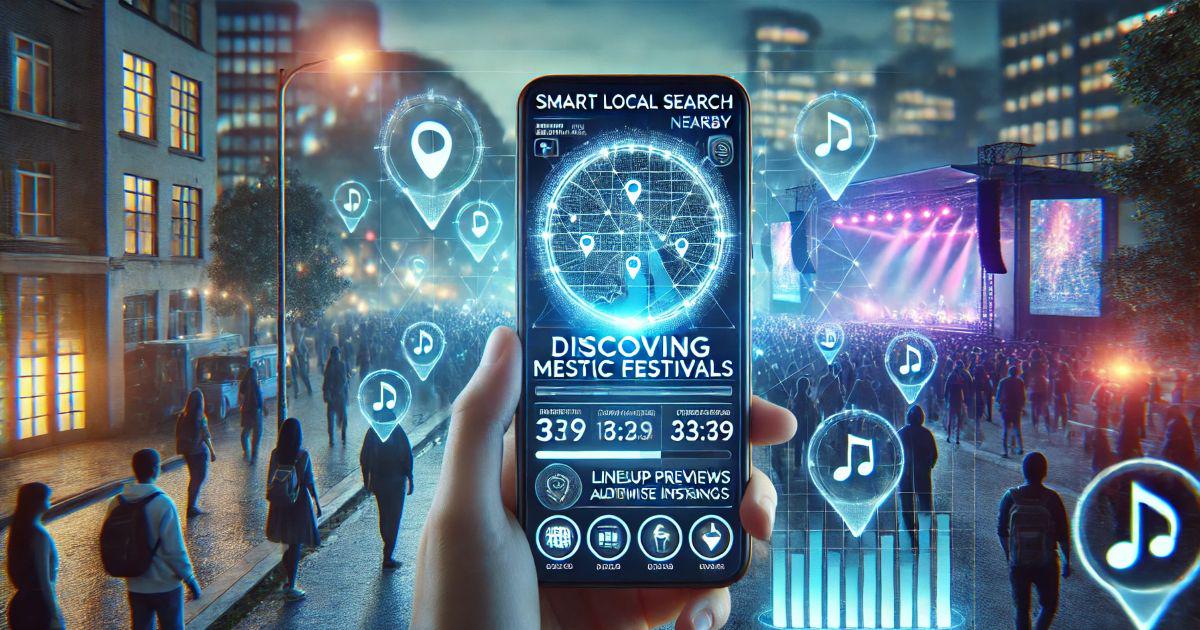

The modern music festival scene is bigger, faster, and more fragmented than ever. New festivals appear every year, established events expand into new markets, and genre-focused gatherings can build strong communities long before they become widely known. For artists, managers, agents, labels, promoters, and music fans, this creates both an opportunity and a problem.
The opportunity is clear: there are more festivals to explore, more stages to target, and more ways to understand where live music is growing. The problem is that festival discovery has often been messy. People usually search through scattered websites, social media pages, ticketing platforms, lineup posters, local event guides, and old media articles. That can work for basic browsing, but it is not efficient when someone needs a wider view of the festival market.
Until now, it was virtually impossible to find a database featuring most of the world’s music festivals in one place, let alone one enriched with detailed analytics. A simple list of names is useful, but it does not explain how strong a festival is, what genres it supports, what kind of artists it books, where its potential audience is located, or how its industry connections compare with other events.
This is where Viberate’s festival discovery data changes the process. With this tool, users can search for music festivals worldwide and move from basic discovery to detailed festival analysis in just a few clicks.
Searching for festivals is often the first step, but it rarely answers the deeper questions. A music professional may want to know which festivals are suitable for a specific artist. A booking agent may need to compare similar events. A manager may want to understand whether a festival’s audience matches an artist’s fanbase. A label may want to track which festivals are becoming more relevant in a certain genre or market.
Viberate’s festival finder is built for this more structured approach. It enables users to search for any festival in the world, then open detailed festival analytics for events of interest. Instead of treating festival discovery as a manual research task, it turns it into a data-supported workflow.
Once a user finds a relevant festival, they are one click away from rich music festival stats. These stats cover key areas such as genres, lineup analysis, audience demographics, industry connections, and social media performance. This makes the tool useful for both research and practical decision-making.
For example, an artist team preparing a festival pitching strategy can use the data to evaluate whether a festival has booked similar artists before. A promoter can compare the lineup strength of different festivals. A music company can study how genre distribution has changed through different editions. These are the kinds of details that are difficult to collect manually, especially across many festivals and markets.
Viberate provides a complete overview of key music festival stats, starting with a quick performance overview. This includes the festival’s lineup strength in comparison to other festivals, the state of the festival’s industry connections, and a list of similarly ranked festivals. For users who need a fast read on an event, this gives a clear starting point before going into deeper analysis.
The complete lineup overview adds another layer. Users can examine each edition’s lineup in detail, see artists sorted by their overall performance, and review the top artists from previous editions. This is especially useful for understanding a festival’s booking direction. A lineup is not only a list of performers; it also reflects the festival’s positioning, audience expectations, and level of industry relevance.
Genre analysis is another important part of the platform. Viberate shows the festival’s predominant genres through the years, visualizes changes in genre distribution over time, and provides detailed subgenre distribution. This matters because many festivals evolve. Some broaden their programming, some move toward niche communities, and others shift in response to audience demand or market trends. By tracking genre evolution, users can see whether a festival still fits their goals or whether its identity has changed.
Audience data makes the analysis more practical. Viberate includes a lineup audience map that shows the geo-location of the potential festival audience. It also analyzes listeners of the festival’s latest lineup and social media followers of performing artists. This helps users understand where the audience interest may come from, which can be useful for booking decisions, market planning, and artist development.
The audience demographics section provides additional context. It shows the lineup’s audience demographics by gender and age, based on Instagram, YouTube, and TikTok followers. For teams that need to evaluate audience fit, this can be a valuable signal. A festival may look relevant based on genre alone, but the audience profile can reveal whether the lineup reaches the right type of listeners.
Viberate also includes data on industry connections and social media mentions. This covers the festival’s music industry network analysis, social media connections with industry professionals, and mentions by artists and other popular music festivals. These signals help users understand how connected a festival is within the wider music business. For booking and partnership decisions, this can matter as much as audience size.
The festival’s Instagram performance is also part of the analytics view. Users can review Instagram content performance, followers, top-performing posts, and engagement rate compared to the industry average. Since festivals often communicate heavily through social media, this data helps show how active and responsive their online audience is.
Viberate’s festival data is also organized through a festival chart of 8,000 popular music festivals. The chart ranks major festivals by overall performance and includes filters for country, genre, and size. This makes it easier to move from broad research to a more focused shortlist.
For artists and managers, this can support a more realistic pitching process. Instead of sending the same pitch to every visible festival, teams can identify events that are closer to the artist’s genre, audience, and current level. For booking agents, the data can help compare opportunities across regions and festival types. For labels and industry professionals, it can support wider market research by showing which festivals are relevant in specific scenes, countries, or genre communities.
The biggest value is that festival discovery becomes less dependent on guesswork. A festival may have a strong name, but the data can show how its lineup performs, how its genres have shifted, where its audience is located, and how its social media engagement compares with the wider industry. This helps users separate surface-level visibility from deeper relevance.
For music fans, the tool can also make festival discovery easier. Instead of relying only on generic search results or social media recommendations, users can explore festivals through a structured database. They can search globally, compare events, and understand what kind of music and audience each festival represents.
Music festivals are no longer just weekend events with lineups and tickets. They are cultural signals, market indicators, artist development opportunities, and audience gathering points. For anyone working in music, knowing which festivals matter, how they compare, and where they fit into the wider industry can be a major advantage.
Viberate’s festival finder brings that information into one place. It helps users search for festivals worldwide, then move into detailed analytics covering lineup strength, genres, audience location, demographics, industry connections, Instagram performance, and ranked festival charts. For a music market that keeps expanding, this kind of structure makes festival research faster, clearer, and more useful.
Source of music data: Viberate.com
-
📌 Viberate - Music Intelligence is the data & AI layer behind music analytics, connecting artist discovery, audiences, playlists, tracks, Spotify, TikTok, YouTube, streaming, and radio airplay.
 Next article
 Previous article
11M+ artists, 100M+ songs, 12M+ playlists, 6K+ festivals and 100K+ labels on one platform, built for industry professionals.