Miha Prebil
Aug 26, 2026

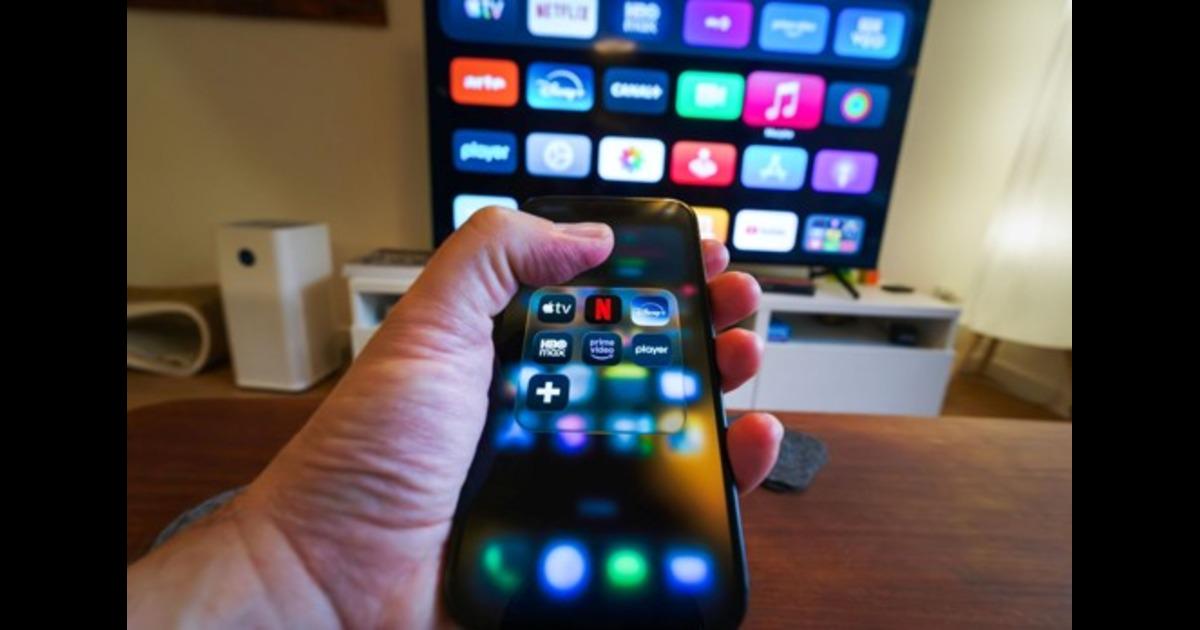

Interactive digital experiences are what the online environment has lacked for so long. In the early days of the internet, using a computer was almost entirely solitary. You read pages, watched videos, or browsed forums, all of it one-directional.
The platform delivered, you received, and there was no meaningful loop of response or consequence. That model worked well enough when novelty drove engagement, but once the novelty wore off, the limitations became obvious. People do not stay engaged with things that never respond to them.
Interactivity introduced agency, the sense that your choices matter and that the experience changes based on what you do. This is fundamentally different from watching a video or reading a post.
When a platform reacts to your input, your brain registers that exchange differently. Attention sharpens. Investment increases. The experience becomes personal rather than generic, and that is an enormous shift in how people relate to digital content.
Social media built its early success on a version of this (comments, likes, shares), but over time those mechanics became shallow, and users started to feel their participation changed very little about their overall experience.
The deeper social dimension that interactivity unlocks goes well beyond clicking a like button. Genuine interactive platforms create shared experiences where multiple participants influence outcomes at the same time.
The effects of this shift are especially clear in gaming. Multiplayer gaming was one of the first digital formats to crack the code of sustained online engagement, and it did so precisely because it combined interactivity with genuine social stakes.
When you play against or alongside other real people, every session is different. The unpredictability of human opponents, the coordination required in team-based games, and the shared history that builds between regular players all create a richness that no single-player or passive experience can replicate.
Games like Fortnite, League of Legends, and Valorant have built communities of hundreds of millions of players not because their graphics are spectacular, but because the experience is fundamentally social and reactive. Your performance matters, your teammates depend on you, and every match produces a unique outcome. That formula generates engagement metrics social media platforms would envy.
Beyond competitive gaming, co-operative multiplayer experiences show that interaction doesn't need to be adversarial to be compelling. Games like Minecraft or No Man's Sky thrive because players build things together, share discoveries, and shape persistent worlds collaboratively.
Beyond multiplayer games, other gaming areas, such as casino gaming, have also been transformed by interactive experiences. By using the online gaming guides on TheLines.com, many casino fans can see that most reputable online casino sites now aim at introducing more live casino games to their platforms. The reason is straightforward: live casino games give players the feeling of a true casino site, something that standard digital table games never fully achieved.
Netflix entering the interactive content space with productions like Bandersnatch was a significant moment for the broader conversation about passive versus active digital experiences.
Bandersnatch placed viewers inside a narrative where their choices determined the story's direction and outcome. With multiple endings, branching storylines, and real consequences for decisions made along the way, it used a format that had existed in video games for decades, but applying it to a full cinematic production was new territory for mainstream streaming.
The response was revealing. Bandersnatch generated substantially more discussion, replay activity, and sustained interest than comparably produced passive films released in the same period.
Viewers went back to explore different paths, compared outcomes with friends, and debated which choices led where. That pattern of engagement is something conventional films almost never produce. Even though the company moved away from interactive content to focus on games, the results were exceptional.
The fitness industry spent decades trying to solve a straightforward problem: people buy gym memberships and stop going. Home workout videos sold well but were rarely used past the first month.
The content existed; the motivation did not. Interactive fitness platforms found that the missing element wasn't better programming; it was other people. The moment you introduce real-time competition, visible output metrics, and a community that knows whether you showed up, exercise behavior changes significantly.
Peloton built its business on exactly this insight. The hardware is competent but not exceptional; the differentiator is the live class format, where thousands of riders join simultaneously, see each other's performance metrics in real time, and compete for leaderboard positions.
Instructors acknowledge participants by name, call out milestones, and generate an energy that a pre-recorded class cannot replicate. The result is a retention rate that the conventional fitness industry has never approached. People who would have skipped a solo session show up because the social stakes are genuine.
Zwift extended the same model into cycling and running by creating a persistent interactive environment where riders race against real users, join group events, and see standings and results that carry over between sessions. The competitive and social elements transform training into something that feels like a real event rather than solitary exercise. Users who would not commit to riding alone for an hour regularly complete two-hour group rides because the interactive format makes the time count.
Passive content consumption was never a destination. It was the default because interactive alternatives were technically difficult to build at scale.
Developers and platforms across every category moved toward formats that required user engagement. The results are consistent across sectors: interactivity produces stronger engagement, longer sessions, higher retention, and more loyal communities than passive delivery ever managed. Social media feeds will continue to exist, but they are increasingly the background noise of digital life rather than its center of gravity.
Source of music data: Viberate.com
-
📌 Viberate - Music Intelligence is the data & AI layer behind music analytics, connecting artist discovery, audiences, playlists, tracks, Spotify, TikTok, YouTube, streaming, and radio airplay.
 Next article
 Previous article
11M+ artists, 100M+ songs, 12M+ playlists, 6K+ festivals and 100K+ labels on one platform, built for industry professionals.