Kristian Gorenc Z
Jun 25, 2026


The Ultimate Guide: Custom Pins for Music Festivals & Tours
For many independent artists, touring crews, and festival organizers, turning live engagement into sustainable revenue remains a major challenge. Facing high travel and storage costs, lightweight merch provides a practical way to boost profit on the road.
Among all small merch categories, custom lapel pins offer the widest variety of styles and the highest collectible value for music fans. Knowing the technical and visual differences between pin styles helps artists choose the style that best fits their visual style and tour budget.
I. Top 10 Custom Pin Styles for Music Festivals
Navigating the merchandise manufacturing landscape can raise practical questions: What are the top 10 styles of custom lapel pins to choose from, and what are the pros and cons of each? With so many production techniques available, making the right choice for your tour or festival booth comes down to budget, design detail, and visual impact. Below is a detailed technical and aesthetic breakdown of the ten most popular pin styles.
1. Soft Enamel Pins — Budget-Friendly Merch Essentials
Soft enamel pins represent a very common, practical choice for concert and festival merch booths. The enamel is set into recessed spaces outlined by raised metal lines, which produces a textured finish and helps bright colors stand out.
2. Hard Enamel Pins — Premium Collectibles & Anniversary Editions
Because hard enamel pins go through multiple polishing steps, they get a smooth surface that looks really clean. The enamel is completely flat with the metal lines, so they last quite a long time.
3. Die-Struck Pins — Classic Vintage Metal Aesthetics
Die-struck pins use raised and recessed metal relief rather than colored enamel fills. Mixing polished raised areas with antiqued recessed backgrounds gives the metal a genuine, vintage feel.
4. 3D Sculpted Pins — Bringing Instruments and Mascots to Life
3D pins use multi-level metal sculpting to create physical depth, turning instruments, stage elements, or band mascots into detailed, lifelike collectibles.
5. Printed Pins — Perfect for Detailed Album Art & Tour Posters
When artwork features complex color gradients, painterly textures, photographs, or intricate album artwork, printed pins (with a protective clear epoxy dome) are the ultimate solution.
6. Button Pins — Lightweight, Low-Cost Promotional Tools
Button pins are the definition of lightweight, high-value promotional items. They consist of a printed paper design wrapped over a metal shell with a protective plastic film.
7. Acrylic Pins — Vibrant Choices for Pop & EDM
Compared to traditional metal pins, acrylic pins weigh much less while still delivering bright colors and translucent visual effects. Also, laser cutting handles custom shapes nicely without the extra cost of metal molds.
8. Interactive Mechanical Pins (Spinner & Sliding Pins) — Engaging VIP Merch
With interactive pins, you get moving elements, such as a top layer spinning 360 degrees or a part sliding along a tracked channel.
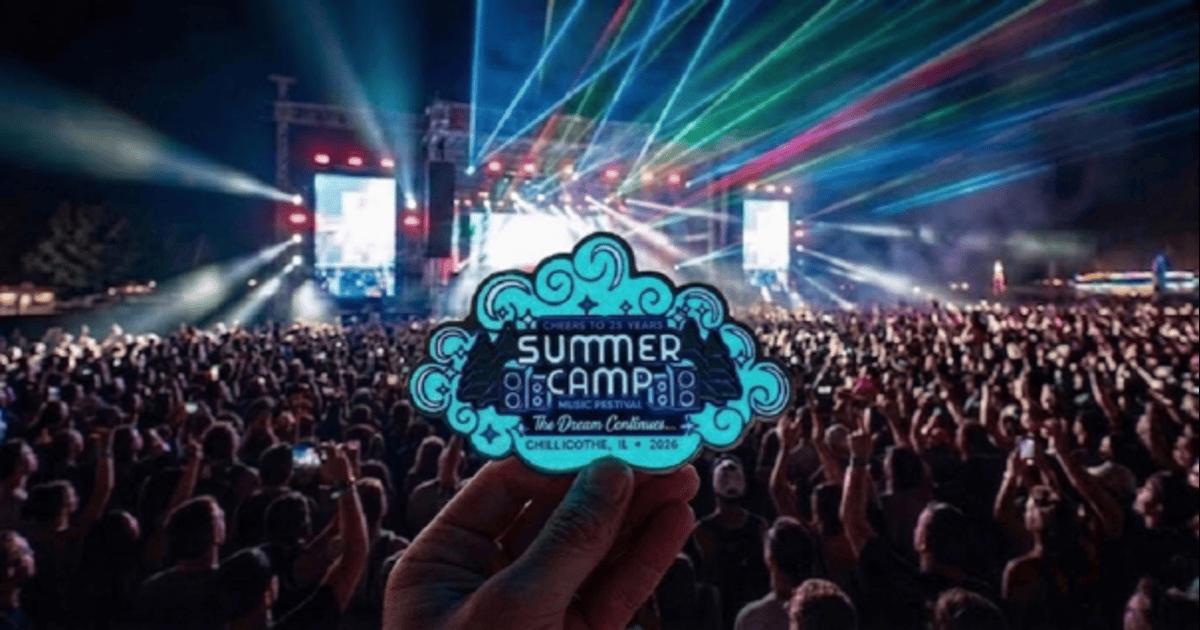
9. Special Effects Pins (Glitter & Glow-in-the-Dark) — Catching Stage Lights
Glitter powder and glow-in-the-dark enamel are specialty finishes that take in ambient light. This lets them shimmer or emit a soft glow when placed in dark settings.
10. Cut-Out / Hollow Pins — Modern Minimalist & Geometric Art
Cut-out pins use negative space and hollowed-out metal areas to accentuate fine geometric outlines, negative-space logos, or frame-like designs.
II. Leveraging Custom Pins in Key Festival Merch Scenarios
Choosing the right pin style is only the first step. The key to converting engagement into revenue lies in strategically utilizing custom pins across various festival settings:
III. Reducing Touring Risks with Lightweight Custom Pins
Planning merchandise for a tour usually comes down to budget and logistics. Indie artists often lack the funds to pre-order clothes in large quantities, and they don't always have room in their vehicles to carry heavy boxes around.
IV. Frequently Asked Questions
Q1: How do custom pins compare to traditional apparel in terms of tour ROI?
A:When you compare pins to shirts, the profit margins on pins range from 600% to 800%, since they cost $1.00–$2.50 to make and sell for $10–$20. T-shirts take up space with various SKUs and heavy boxes, but 500 pins weigh under 10 lbs and occupy almost zero trailer space.
Q2: What is the average production lead time for mid-tour pin reorders?
A: Standard orders usually take 10 to 14 business days to make and deliver. If you're running out of time on tour, you can ask for rush handling, which speeds up simple soft enamel or printed pins to about 5-7 days.
Q3: What artwork specifications ensure the best result for detailed band logos?
A: Factories need vector artwork—such as AI, EPS, or PDF—formatted in CMYK color to get sharp results. To keep enamel colors properly separated, metal lines have to stay at 0.2mm or thicker. When artwork includes complex gradients or photographic elements, offset-printed pins topped with an epoxy dome work much better than regular enamel.
V. Conclusion
Independent acts and festival planners can turn their online audience into live sales pretty effectively through custom merch. Once you align your artwork with the right format—be it 3D, printed, or standard pins—you get profitable items that are easy to pack and move around on tour.
Source of music data: Viberate.com
-
📌 Viberate - Music Intelligence is the data & AI layer behind music analytics, connecting artist discovery, audiences, playlists, tracks, Spotify, TikTok, YouTube, streaming, and radio airplay.
 Next article
 Previous article
11M+ artists, 100M+ songs, 12M+ playlists, 6K+ festivals and 100K+ labels on one platform, built for industry professionals.