Kristian Gorenc Z
Oct 29, 2026

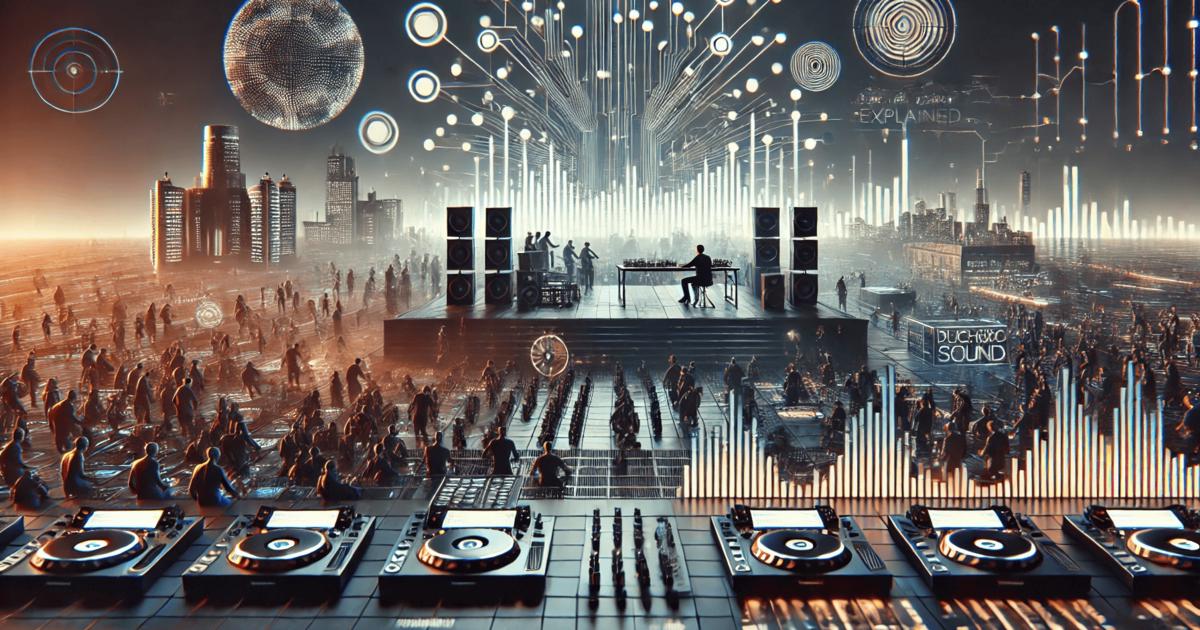

Techno music has long stood as one of the most influential branches of electronic music. For new listeners, it can sometimes sound repetitive or minimal, but its essence lies in the details that make it hypnotic, immersive, and timeless. Understanding what defines techno music requires looking at its sound, its cultural context, and the ways it separates itself from other electronic genres.
At its foundation, techno is electronic to the core. The genre is built with machines such as drum machines, synthesizers, samplers, and sequencers. These tools allow producers to create rhythms and textures that feel mechanical yet futuristic. Unlike rock or jazz, techno does not rely on traditional instruments but thrives on technology.
One of the most defining aspects of techno is its repetitive structure. Tracks are loop-based, built on recurring rhythms and patterns. This repetition is not a limitation but a strength, creating a hypnotic state for listeners on the dancefloor. The grooves shift subtly, making even a long track feel dynamic.
The tempo of techno usually ranges between 120 and 150 beats per minute. At its core sits the steady four-on-the-floor kick drum, which drives the energy forward. This steady pulse is the heartbeat of techno, allowing dancers to connect deeply with the rhythm.

Vocals are minimal in techno. While some tracks use snippets of spoken or processed voices, many remain fully instrumental. This approach reinforces the music’s focus on rhythm and texture rather than lyrical storytelling.
The aesthetic of techno is also futuristic. Producers and visual artists connected to the genre often embrace themes of technology, machinery, and space. This futuristic lens is not just about sound but also about identity and community, giving techno its distinctive atmosphere.
Techno is often confused with other forms of electronic music, but several qualities set it apart. Compared to house music, techno feels colder and more mechanical. House leans on soulful melodies and warmer tones, while techno thrives on precision and minimalism.
Trance, another major electronic genre, emphasizes emotional peaks and soaring melodies. Techno, on the other hand, is built on groove and rhythm, creating intensity through repetition rather than dramatic build-ups.
Electro is also distinct from techno. Electro often uses syncopated beats and broken rhythms, while techno relies on the steady 4/4 pulse. This rhythmic difference makes techno more relentless and uniform, perfect for extended club sets.
Techno was born in Detroit in the mid-1980s. The city’s industrial decline and futuristic imagination provided fertile ground for a sound that was both mechanical and forward-looking. Early pioneers used the tools of electronic production to create something new that resonated with the environment around them.
From the beginning, techno was tied not just to sound but to culture. It grew in underground clubs and raves, where communities formed outside of mainstream pop culture. This underground identity has stayed central to techno, even as it spread across Europe and the world.
The culture of techno values experimentation, independence, and a resistance to commercialization. While the genre has grown massively, its strongest roots remain in spaces where creativity is prioritized over mainstream appeal. That ethos continues to shape techno today.
Over time, techno has expanded into multiple directions. Acid techno is known for its squelching basslines produced with the Roland TB-303. Minimal techno takes the genre to its bare essentials, stripping away layers to focus on small, subtle changes. Dub techno adds reverb, echo, and atmospheric soundscapes, creating a more immersive listening experience. Hard techno pushes the tempo higher, often designed for large-scale raves with aggressive energy.

Each of these subgenres shares the same foundation but highlights different aspects of techno’s possibilities. Together they show how adaptable and evolving the genre has remained.
Techno music is defined by its machine-driven sound, repetitive rhythms, and futuristic vision. It stands apart from other electronic genres through its mechanical aesthetic, hypnotic structure, and deep underground roots. While always tied to its origins in Detroit, it has continued to evolve into countless subgenres that keep the genre alive and relevant. For listeners and dancers alike, techno remains a sound of innovation, rhythm, and community.
Source of music data: Viberate.com
-
📌 Viberate - Music Intelligence is the data & AI layer behind music analytics, connecting artist discovery, audiences, playlists, tracks, Spotify, TikTok, YouTube, streaming, and radio airplay.
 Next article
 Previous article

11M+ artists, 100M+ songs, 12M+ playlists, 6K+ festivals and 100K+ labels on one platform, built for industry professionals.