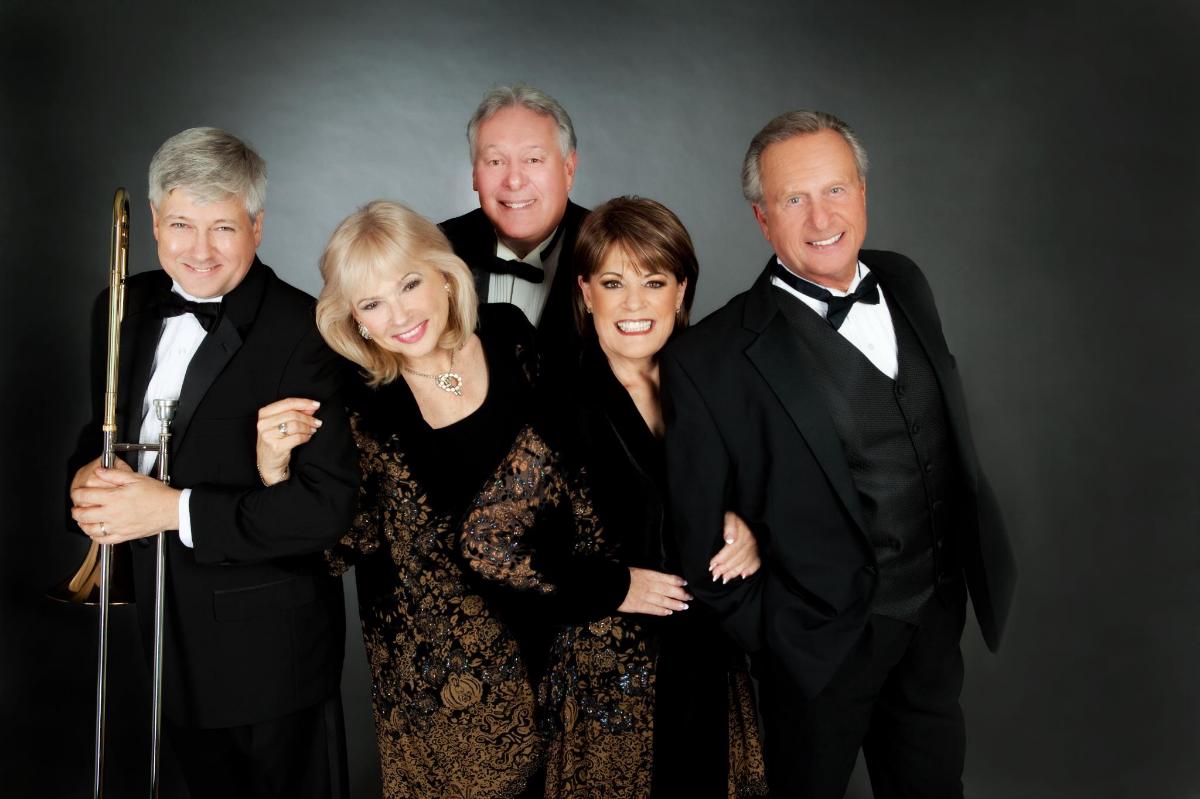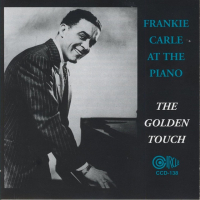
Vaughn Monroe

Jazz
Big band Jazz
 Viberate Rank: 92195
 Viberate Rank: 92195
 Monthly ListenersFollowers
 Subscribers
 Followers
 Followers
 FansTop Spotify Songs
| Track | 7-Day Streams | |
|---|---|---|
1 | 445.54K | |
2 | 42.24K | |
3 | 11.32K | |
4 | 11.32K | |
5 | 5.19K |
Top YouTube VideosMonthly ListenersFeatured in Playlists| Playlist | Followers | |
|---|---|---|
1 |  DEATH STRANDING by Hideo Kojima (including Directors Cut) SoundBay | 184.96K |
2 | Wasteland Radio Expanded Neale Christopher Zeringue | 76.99K |
3 |  The Marvelous Mrs. Maisel Official Soundtrack Kevin Porter | 63.65K |
4 |  ALL TIME CLASSICS | | My Forever Favorites Damian Habraken | 57.86K |
5 | 1940s Hits platoc | 41.61K |
Audience| City | Monthly Listeners | |
|---|---|---|
1 | | 908 |
2 | | 838 |
3 |  | 828 |
4 |  | 765 |
5 |  | 725 |
See full performance history, audience data, playlist activity, rankings, comparisons, and more in Viberate music analytics. Start with a free trial, then continue with a paid plan.
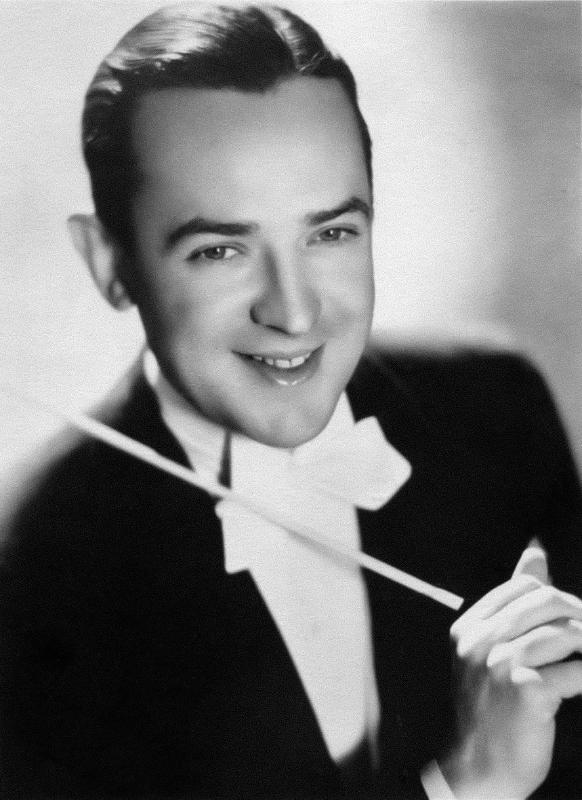
Vaughn Monroe’s Spotify BioDespite an early talent for the trumpet, Vaughn Monroe's desire to become an opera singer eventually landed him almost ten number one hits during the '40s as well as a host of nicknames for his rich baritone, including "The Voice with Hairs on Its Chest" and "Old Leather Tonsils." Born in Akron, OH, Monroe moved to Wisconsin while still a child and focused on his trumpet talent for most of his boyhood. Another early ambition, to be an opera singer, resulted in his signing on as a vocalist with territory bands led by Austin Wylie, Larry Funk (for whom he made his recording debut) and Jack Marshand. While based in Boston with Marshand, Monroe formed his first orchestra and began recording for Victor's low-priced Bluebird label. One of his first singles, "There I Go," spent three weeks at the top of the Hit Parade in 1940. Though his orchestra was rather tame (even for the time), it was voted top college band that year. His longtime theme song "Racing with the Moon" debuted in 1941, and… the following year-and-a-half brought no less than three number one hits: "My Devotion," "When the Lights Go on Again (All Over the World)," and "Let's Get Lost."
Monroe's first few years of recording had been quite successful, but all his biggest hits were yet to come. During 1945, "There! I've Said It Again" and "Let It Snow! Let It Snow! Let It Snow!" both spent more than a month at the top of the charts. And his two biggest hits, "Ballerina" and "Riders in the Sky," came in 1947 and 1949, respectively. The latter, an old Western chestnut, presaged Monroe's attempt at moving into Hollywood's singing-cowboy genre with a couple of early-'50s B-movies including The Singing Guns and The Toughest Man in Arizona. He also disbanded his orchestra, and continued to work television and radio (he hosted Camel Caravan for many years). Except for a few mid-'50s novelties (including "They Were Doin' the Mambo" and "Black Denim Trousers and Motorcycle Boots"), Monroe never again hit the charts. He worked as a spokesman for RCA Victor, and continued to perform into the early '70s. ~ John Bush, Rovi
Viberate is a music analytics platform built for A&Rs, artist managers, labels, booking agents, marketers, and artists.
It helps music professionals track artist growth, analyze audience data, monitor playlist activity, compare artists, follow song performance, and identify opportunities across the music market.
Public artist pages provide a free preview of selected artist data. Paid plans provide access to deeper analytics, historical data, charts, comparisons, playlist tools, exports, alerts, reports, and additional professional features.
Yes. Public Viberate artist pages provide selected artist analytics and music data for free.
Viberate also offers a 7-day free trial of the full platform. A credit card is required to start the trial. The trial includes access to the complete product so users can test deeper artist analytics, historical views, playlist insights, comparisons, charts, exports, alerts, and reporting features before choosing a paid plan.
Viberate provides artist analytics across streaming, playlists, social media, video, radio airplay, songs, and audience markets.
Users can analyze Spotify performance, Spotify and Apple Music playlists, YouTube activity, TikTok and Instagram growth, radio spins, song performance, audience locations, demographics, rankings, and overall artist momentum.
Artist profiles also connect to music charts, similar artists, and comparison tools, helping users benchmark performance and evaluate artists in context.
Viberate updates key artist and track data daily.
For followed artists and tracks, selected data is refreshed multiple times per day. This helps teams monitor playlist changes, streaming movement, audience growth, releases, and campaign performance with more current data.
Update frequency can vary depending on the metric and data source.
Yes. Viberate lets users compare up to five artists side by side across streaming, social media, audience, and engagement metrics.
Users can compare fanbase growth, audience demographics, locations, Spotify performance, social metrics, and other artist data over selected time periods.
Artist comparison can be used for A&R scouting, benchmarking, booking decisions, campaign planning, and evaluating artists with similar audiences or market positions.