The Modernaires

Jazz
Swing
Big band Jazz
 Viberate Rank: 134487
 Viberate Rank: 134487
 Monthly ListenersFollowers
 Subscribers
 Followers
 Followers
 FansTop Spotify Songs
| Track | 7-Day Streams | |
|---|---|---|
1 | 22.27K | |
2 | 9.58K | |
3 | 8.42K | |
4 | 4.39K | |
5 | 4.06K |
Top YouTube VideosMonthly ListenersFeatured in Playlists| Playlist | Followers | |
|---|---|---|
1 |  autumn in new york Natalie Nguyen | 107.37K |
2 |  Christmas Traditions chillls | 72.35K |
3 |  This Is Glenn Miller Spotify | 44.82K |
4 |  Noël Jazz 🎄 🎺 Chanson Christmas Diner Reveillon Filtr France | 44.32K |
5 | Swing Classics davidpatrickgeier | 44.36K |
Audience| City | Monthly Listeners | |
|---|---|---|
1 |  | 1.34K |
2 |  | 1.31K |
3 | | 761 |
4 | | 655 |
5 |  | 612 |
See full performance history, audience data, playlist activity, rankings, comparisons, and more in Viberate music analytics. Start with a free trial, then continue with a paid plan.
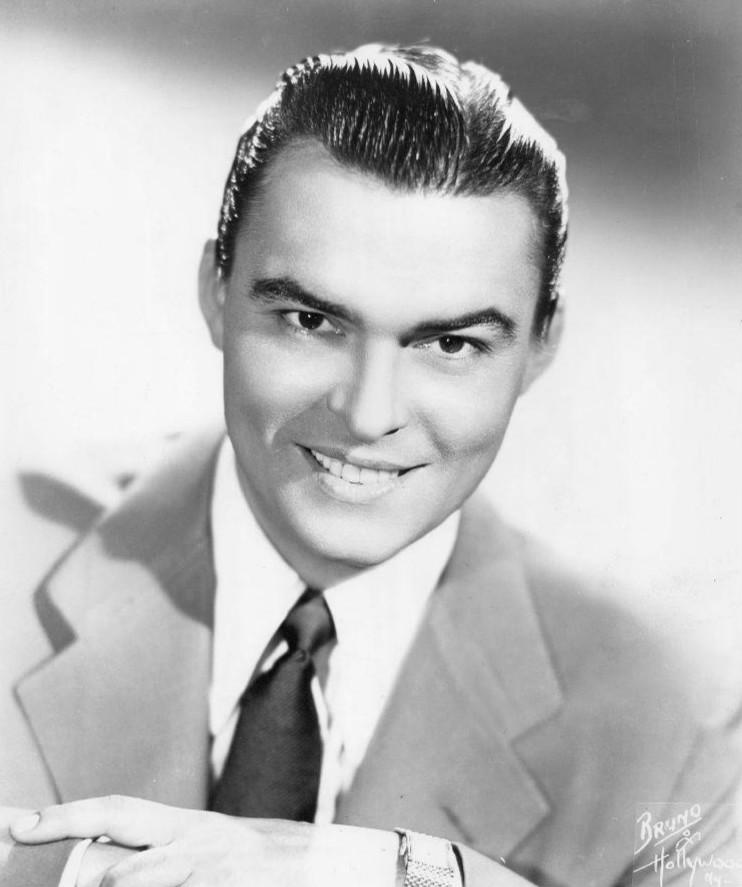
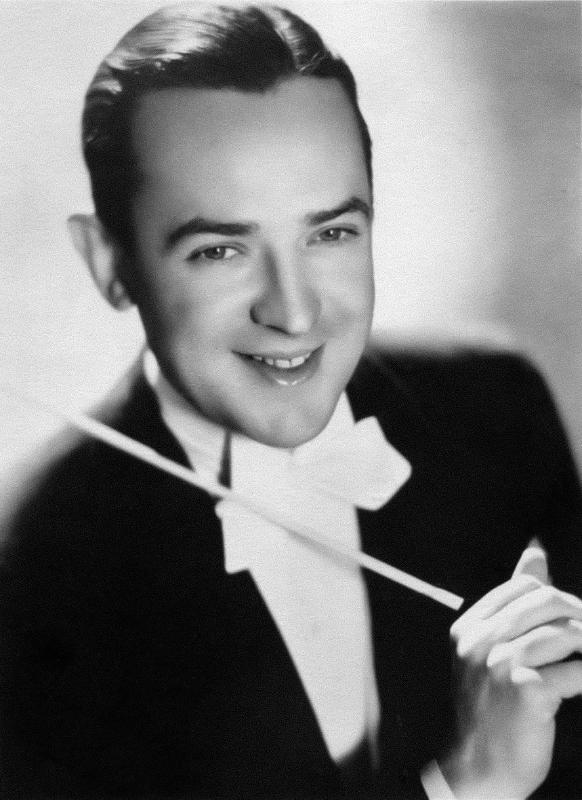
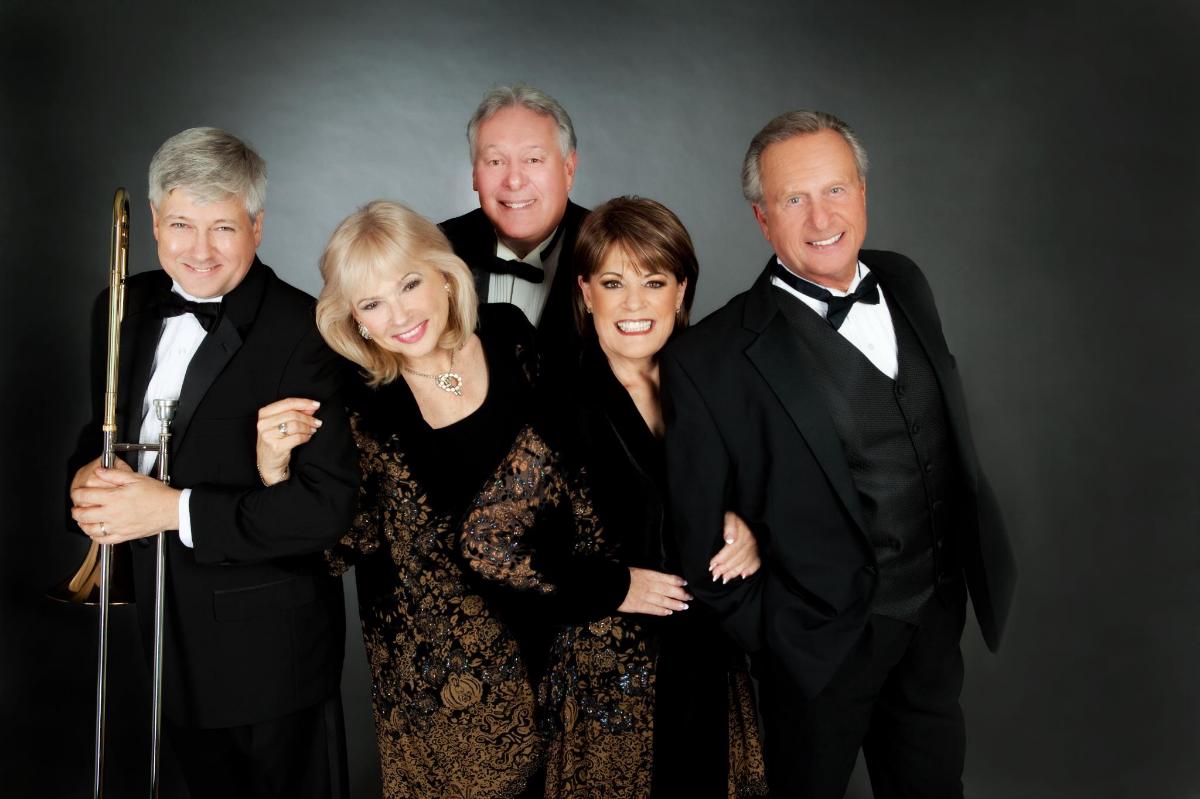
The Modernaires’ Spotify BioThe harmony vocal group the Modernaires originally formed in Buffalo, NY, in 1935 (all of its members were high school pals), and were best known for singing with orchestras. Starting off as a trio (including members Hal Dickinson, Chuck Goldstein, and Bill Conway), the group would often assume a different name during these engagements, going by the Don Juan-Two and Three when they performed with the Ted Fio Rito Orchestra and the Three Wizards of Ozzie during a stint with the Ozzie Nelson Band. Soon after, the Modernaires expanded to a quartet with the addition of member Ralph Brewster, as they joined Paul Whiteman's musical organization in 1937, leading to performances on his radio show.
The Modernaires received their big break two years later, when the one-and-only Glenn Miller asked them to record a sequel to his big hit "Make Believe Ballroom," titled "It's Make Believe Ballroom Time," as they began performing regularly around the world with the Miller Band. Further hits with… Miller soon followed, including "Chattanooga Choo Choo," "Kalamazoo," "I Know Why," and "Juke Box Saturday Night," as the Modernaires welcomed another member, Paula Kelley, to their ranks (who was the wife of Dickinson). The Modernaires were handpicked by Frank Sinatra in 1950 to back him up, as the group continued to record and perform steadily until 1958. Many Modernaires compilations have been issued over the years, including 2001's The Very Best Of on the Collectables label. ~ Greg Prato, Rovi
Viberate is a music analytics platform built for A&Rs, artist managers, labels, booking agents, marketers, and artists.
It helps music professionals track artist growth, analyze audience data, monitor playlist activity, compare artists, follow song performance, and identify opportunities across the music market.
Public artist pages provide a free preview of selected artist data. Paid plans provide access to deeper analytics, historical data, charts, comparisons, playlist tools, exports, alerts, reports, and additional professional features.
Yes. Public Viberate artist pages provide selected artist analytics and music data for free.
Viberate also offers a 7-day free trial of the full platform. A credit card is required to start the trial. The trial includes access to the complete product so users can test deeper artist analytics, historical views, playlist insights, comparisons, charts, exports, alerts, and reporting features before choosing a paid plan.
Viberate provides artist analytics across streaming, playlists, social media, video, radio airplay, songs, and audience markets.
Users can analyze Spotify performance, Spotify and Apple Music playlists, YouTube activity, TikTok and Instagram growth, radio spins, song performance, audience locations, demographics, rankings, and overall artist momentum.
Artist profiles also connect to music charts, similar artists, and comparison tools, helping users benchmark performance and evaluate artists in context.
Viberate updates key artist and track data daily.
For followed artists and tracks, selected data is refreshed multiple times per day. This helps teams monitor playlist changes, streaming movement, audience growth, releases, and campaign performance with more current data.
Update frequency can vary depending on the metric and data source.
Yes. Viberate lets users compare up to five artists side by side across streaming, social media, audience, and engagement metrics.
Users can compare fanbase growth, audience demographics, locations, Spotify performance, social metrics, and other artist data over selected time periods.
Artist comparison can be used for A&R scouting, benchmarking, booking decisions, campaign planning, and evaluating artists with similar audiences or market positions.