Guy Lombardo

Pop
Mainstream Pop
Big band Jazz
 Viberate Rank: 90628
 Viberate Rank: 90628
 Monthly ListenersFollowers
 Subscribers
 Followers
 Followers
 FansTop Spotify Songs
| Track | 7-Day Streams | |
|---|---|---|
1 | 23.76K | |
2 | 9.50K | |
3 | 7.99K | |
4 | 4.44K | |
5 | 3.97K |
Top YouTube VideosMonthly ListenersFeatured in Playlists| Playlist | Followers | |
|---|---|---|
1 | Guess that Tune. Ben | 111.04K |
2 |  The Caretaker - Everywhere At The End Of Time Ben | 82.94K |
3 | 1940s Hits platoc | 41.61K |
4 |  Traditional Christmas Music Filtr US | 39.07K |
5 |  Gilmore Girls: The Complete Collection Nicole Hanrahan | 34.58K |
Audience| City | Monthly Listeners | |
|---|---|---|
1 |  | 744 |
2 | | 597 |
3 | | 560 |
4 | | 506 |
5 |  | 495 |
See full performance history, audience data, playlist activity, rankings, comparisons, and more in Viberate music analytics. Start with a free trial, then continue with a paid plan.
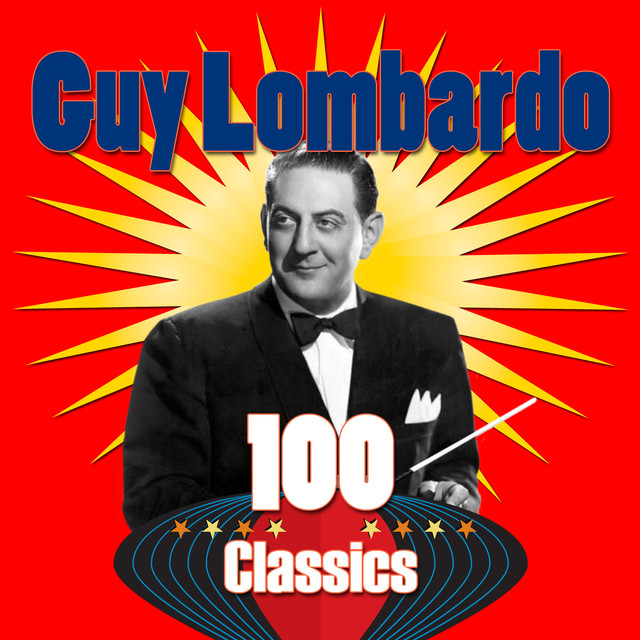
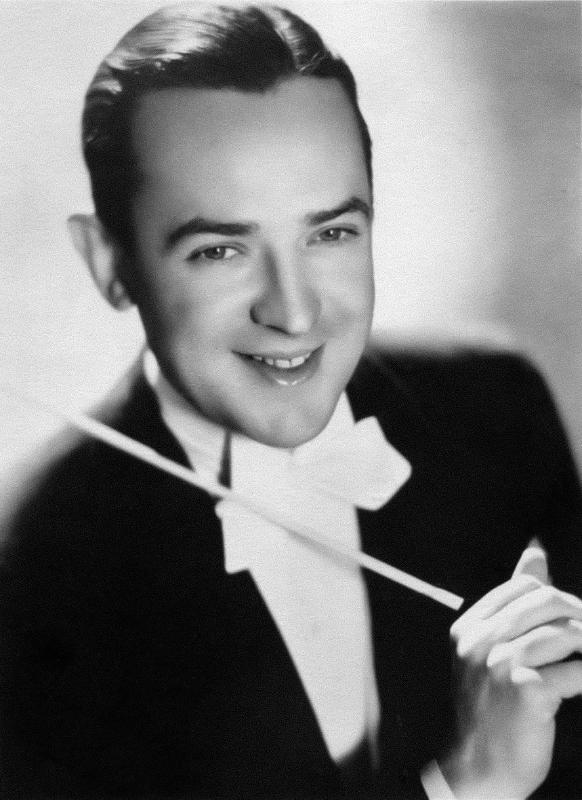
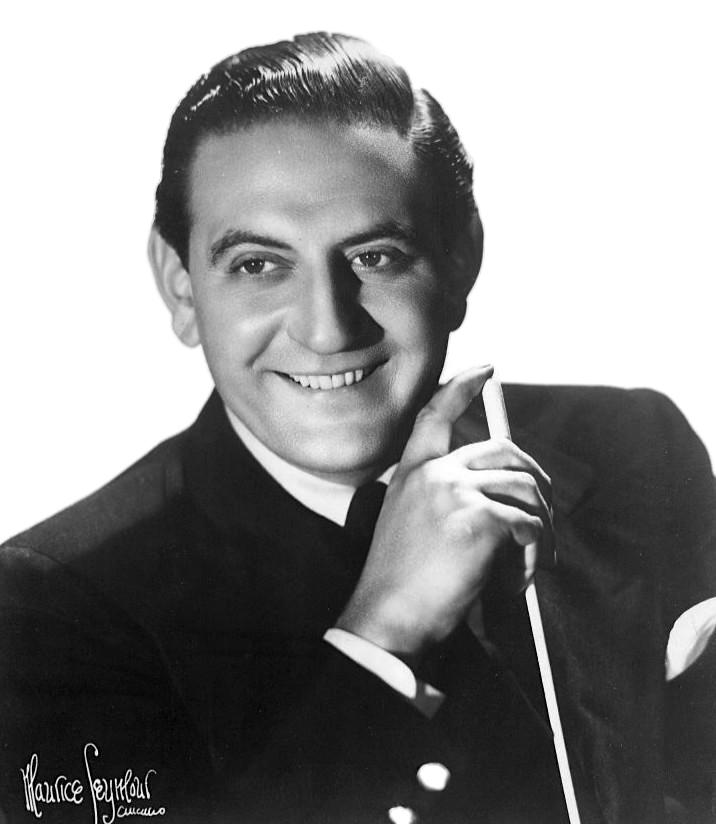
Guy Lombardo’s Spotify Bio"The Sweetest Music This Side of Heaven" was the logo of Guy Lombardo & His Royal Canadians, who by 1930 had established themselves as America's top dance band. Unfairly lumped in with unswinging "Mickey Mouse" bands of the era, the music of Lombardo's outfit was actually top-notch, and they were constantly cited by Louis Armstrong as his favorite band for their purity of intonation. A cache of early sides for Gennett reveals that the band was capable of playing "hot" any time they wanted to, but sweet music and singing novelties featuring brother Carmen is what the public wanted, and Lombardo failed to disappoint. He became a national institution hosting televised New Year's Eve broadcasts from New York, making his rendition of "Auld Lang Syne" part of our national memory chest and his lasting legacy.
Lombardo began his musical career in 1924, when he and his brothers Lebert, Carmen, and Victor -- who joined slightly later -- formed a big dance band. Originally, Guy was a violinist for… the band, but he soon became its leader and conductor. The band received a moderate amount of success in Canada and soon went to the United States, where they landed a regular gig in Cleveland, OH. While they were performing in Cleveland, they began using the name Guy Lombardo & His Royal Canadians. After their Cleveland engagement, they moved to Chicago and then New York City, which became their home base after a successful stay at the Roosevelt Grill.
Lombardo & His Royal Canadians played numerous radio broadcasts from New York and they began a long string of hits in 1927 that ran all the way to 1954. By the early '30s, Lombardo was an international celebrity, having hit records and appearing in films like Many Happy Returns. During this time, not only were Lombardo's records massively popular, but so were his radio broadcasts; it was his annual New Year's Eve show that made "Auld Lang Syne" a national standard. Lombardo also became a well-known speed boat racer during the '40s and, in fact, won many awards for his skills, including a National Championship in the late '40s.
Between 1927 and 1954, Lombardo & His Royal Canadians sold well over 100 million records on a variety of labels, including Columbia, Brunswick, Decca, and RCA Victor; it's estimated that his total worldwide record sales ranged between 100 and 300 million copies. In 1954, Lombardo assumed the operation of the Marine Theatre, located at New York's Jones Beach. At the Marine Theatre, he staged a number of musical revues that were very popular. Lombardo continued to lead these musical productions until his death in 1977. ~ Cub Koda & Stephen Thomas Erlewine, Rovi
Viberate is a music analytics platform built for A&Rs, artist managers, labels, booking agents, marketers, and artists.
It helps music professionals track artist growth, analyze audience data, monitor playlist activity, compare artists, follow song performance, and identify opportunities across the music market.
Public artist pages provide a free preview of selected artist data. Paid plans provide access to deeper analytics, historical data, charts, comparisons, playlist tools, exports, alerts, reports, and additional professional features.
Yes. Public Viberate artist pages provide selected artist analytics and music data for free.
Viberate also offers a 7-day free trial of the full platform. A credit card is required to start the trial. The trial includes access to the complete product so users can test deeper artist analytics, historical views, playlist insights, comparisons, charts, exports, alerts, and reporting features before choosing a paid plan.
Viberate provides artist analytics across streaming, playlists, social media, video, radio airplay, songs, and audience markets.
Users can analyze Spotify performance, Spotify and Apple Music playlists, YouTube activity, TikTok and Instagram growth, radio spins, song performance, audience locations, demographics, rankings, and overall artist momentum.
Artist profiles also connect to music charts, similar artists, and comparison tools, helping users benchmark performance and evaluate artists in context.
Viberate updates key artist and track data daily.
For followed artists and tracks, selected data is refreshed multiple times per day. This helps teams monitor playlist changes, streaming movement, audience growth, releases, and campaign performance with more current data.
Update frequency can vary depending on the metric and data source.
Yes. Viberate lets users compare up to five artists side by side across streaming, social media, audience, and engagement metrics.
Users can compare fanbase growth, audience demographics, locations, Spotify performance, social metrics, and other artist data over selected time periods.
Artist comparison can be used for A&R scouting, benchmarking, booking decisions, campaign planning, and evaluating artists with similar audiences or market positions.