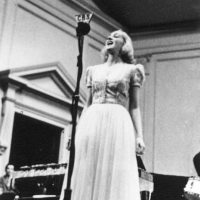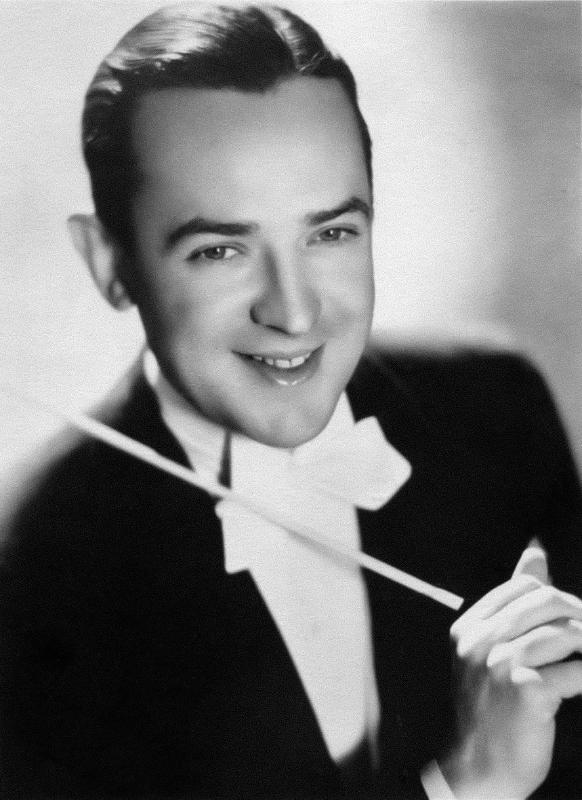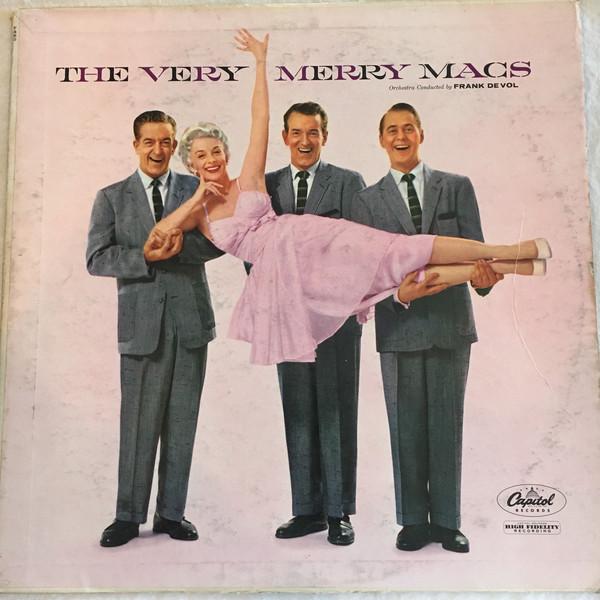
The Merry Macs

Jazz
Jazz Fusion
Big band Jazz
 Viberate Rank: 195921
 Viberate Rank: 195921
 Monthly ListenersFollowers
 Subscribers
 Followers
 Followers
 FansTop Spotify Songs
| Track | 7-Day Streams | |
|---|---|---|
1 | 5.54K | |
2 | 3.19K | |
3 | 2.21K | |
4 | 1.60K | |
5 | 1.55K |
Top YouTube VideosMonthly ListenersFeatured in Playlists| Playlist | Followers | |
|---|---|---|
1 | Wasteland Radio Expanded Neale Christopher Zeringue | 76.98K |
2 |  1940s Wartime Radio AtomicAnemoia | 71.67K |
3 | 1940s Hits platoc | 41.65K |
4 |  Twin Peaks Vibes 📺 maddie f | 36.94K |
5 | paperdress | 33.44K |
Audience| City | Monthly Listeners | |
|---|---|---|
1 | | 510 |
2 |  | 410 |
3 | | 374 |
4 | | 368 |
5 |  | 308 |
See full performance history, audience data, playlist activity, rankings, comparisons, and more in Viberate music analytics. Start with a free trial, then continue with a paid plan.
The Merry Macs’ Spotify BioAn early harmony vocal group most famous during World War II, the Merry Macs formed around Ted, Judd, and Joe McMichael. The brothers, raised and based in Minneapolis, began singing at an early age, with their mother as an occasional melody vocalist. In the mid-'20s, the trio made the leap to radio and toured (as the Personality Boys) with Joe Haymes. By 1930, they had added a female vocalist, Cherry MacKay, and become the Merry Macs. After signing to Victor in 1932, the group made their label debut with "In the Little White Church on the Hill." The quartet recorded only sparingly during the '30s (and replaced Mackay with Helen Carroll), but toured with orchestras including Glenn Miller's. After Carroll was replaced by Mary Lou Cook, the Merry Macs signed to Decca and hit the charts in 1939 with "Ta Hu Wa Nu Wa (Hawaiian War Chant)."
In 1940, the group made their feature-film debut, starring with Jack Benny in Love Thy Neighbor. One year later, they gained their own vehicle, San Antonio… Rose, and backed Bing Crosby on his hit "Dolores" (from the film Las Vegas Nights). By that time, Cook had also left the group; her replacement, Marjory Garland, became a permanent member. The advent of America's involvement in World War II forced Joe into the service, while Lynn Allen served as his temporary replacement. The group's fifth film appearance, with Abbott & Costello in a Western called Ride 'Em Cowboy, influenced their material slightly, as versions of "Deep in the Heart of Texas" and "Jingle, Jangle, Jingle" became the Merry Macs' biggest hits yet.
A well-known version of "Praise the Lord and Pass the Ammunition" hit the Top Ten in 1942, and in 1944, the Merry Macs hit number one for the very first time. The nursery-rhyme novelty "Mairzy Doats" spent five weeks at number one during the year, and the group hit the Top Ten three additional times during the mid-'40s with "Pretty Kitty Blue Eyes," "Sentimental Journey," and "Laughing on the Outside (Crying on the Inside)." Joe McMichael died around this time, and he was replaced temporarily by Clive Erard and then by Dick Baldwin. Though the Merry Macs never charted after 1946, the group continued to tour and recorded for Capitol and Era Records before disbanding in 1964. A reunion concert followed in 1968, and various children of original group members have occasionally toured as the Merry Macs. ~ John Bush, Rovi
Viberate is a music analytics platform built for A&Rs, artist managers, labels, booking agents, marketers, and artists.
It helps music professionals track artist growth, analyze audience data, monitor playlist activity, compare artists, follow song performance, and identify opportunities across the music market.
Public artist pages provide a free preview of selected artist data. Paid plans provide access to deeper analytics, historical data, charts, comparisons, playlist tools, exports, alerts, reports, and additional professional features.
Yes. Public Viberate artist pages provide selected artist analytics and music data for free.
Viberate also offers a 7-day free trial of the full platform. A credit card is required to start the trial. The trial includes access to the complete product so users can test deeper artist analytics, historical views, playlist insights, comparisons, charts, exports, alerts, and reporting features before choosing a paid plan.
Viberate provides artist analytics across streaming, playlists, social media, video, radio airplay, songs, and audience markets.
Users can analyze Spotify performance, Spotify and Apple Music playlists, YouTube activity, TikTok and Instagram growth, radio spins, song performance, audience locations, demographics, rankings, and overall artist momentum.
Artist profiles also connect to music charts, similar artists, and comparison tools, helping users benchmark performance and evaluate artists in context.
Viberate updates key artist and track data daily.
For followed artists and tracks, selected data is refreshed multiple times per day. This helps teams monitor playlist changes, streaming movement, audience growth, releases, and campaign performance with more current data.
Update frequency can vary depending on the metric and data source.
Yes. Viberate lets users compare up to five artists side by side across streaming, social media, audience, and engagement metrics.
Users can compare fanbase growth, audience demographics, locations, Spotify performance, social metrics, and other artist data over selected time periods.
Artist comparison can be used for A&R scouting, benchmarking, booking decisions, campaign planning, and evaluating artists with similar audiences or market positions.