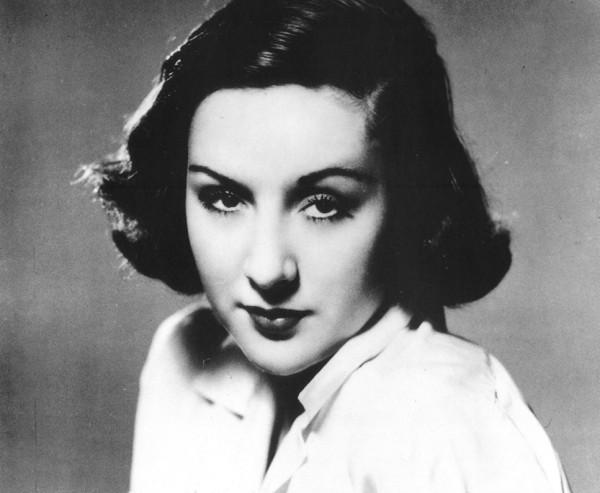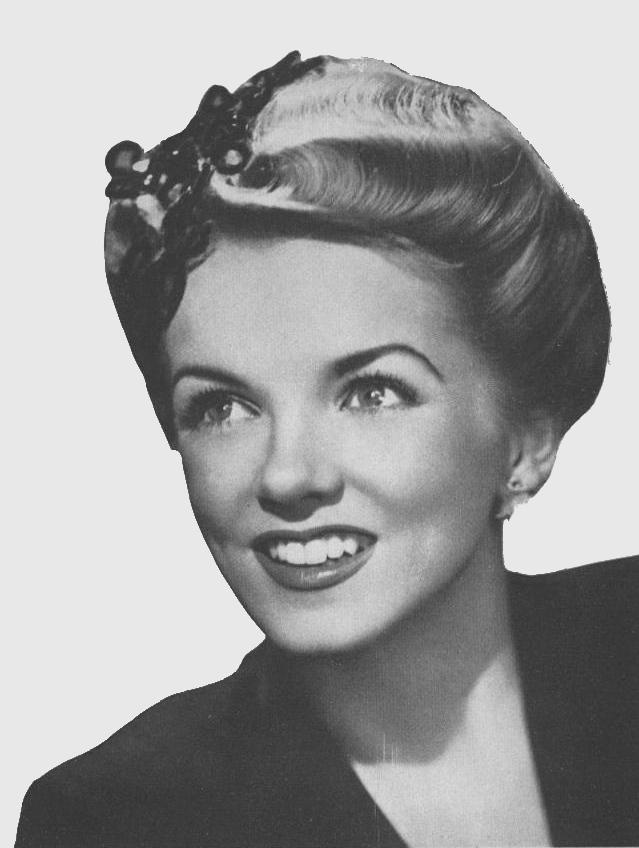
Martha Tilton

Jazz
Big band Jazz
Swing
Mainstream Pop
 Viberate Rank: 144720
 Viberate Rank: 144720
 Monthly ListenersFollowers
 Subscribers
 Followers
 Followers
 FansTop Spotify Songs
| Track | 7-Day Streams | |
|---|---|---|
1 | 7.64K | |
2 | 7.19K | |
3 | 6.71K | |
4 | 5.20K | |
5 | 4.06K |
Top YouTube VideosMonthly ListenersFeatured in Playlists| Playlist | Followers | |
|---|---|---|
1 |  Bioshock Music Collection noix_np | 29.35K |
2 |  Big Band Jazz n' Swing! mlarsen4 | 28.17K |
3 | songs to slow dance to in the kitchen at 2 a.m. with the one you love yves ain't laurent | 21.33K |
4 | 1940s Ben Hughes | 19.93K |
5 |  1930s, 1940s Pop Songs Jeff Lyons | 17.97K |
Audience| City | Monthly Listeners | |
|---|---|---|
1 | | 956 |
2 | | 696 |
3 | | 627 |
4 |  | 612 |
5 |  | 470 |
See full performance history, audience data, playlist activity, rankings, comparisons, and more in Viberate music analytics. Start with a free trial, then continue with a paid plan.
Martha Tilton’s Spotify BioBig-band songbird "Liltin'" Martha Tilton enjoyed her greatest renown during her two-year stint with the Benny Goodman Orchestra. Featured on Goodman's smash rendition of the swing-era classic "And the Angels Sing," she was also the first non-classical vocalist to perform at Carnegie Hall. Born November 14, 1915, in Corpus Christi, TX, Tilton spent the majority of her adolescence in Los Angeles, where as a high school student she began moonlighting with bandleader Sid Lippman on the radio show Coconut Grove. A three-year stint with the Hal Grayson Band followed before Tilton joined the vocal quartet Three Hits and a Miss in 1936. A year later, she joined the Jimmy Dorsey Band, and appeared as a lounge singer in the classic Hollywood comedy Topper. Soon after Goodman arrived in Tinseltown to film Hollywood Hotel and conduct auditions to replace his previous vocalist Helen Ward, and within days of landing the gig, Tilton joined the band on tour, not returning to L.A. for two years.… Acclaimed for her clear, lovely vocals and straightforward interpretive style, Tilton's performance was a highlight of the Goodman Orchestra's landmark January 16, 1938, appearance at New York's Carnegie Hall, the first showcase of its kind awarded to a swing group. Her rendition of "Lock Lomond" earned the longest ovation of the evening, and her growing fame was further solidified via the 1939 Johnny Mercer composition "And the Angels Sing," the biggest hit of her 80-odd Goodman recordings.
When Goodman dissolved the group in April 1939, Tilton signed on with bandleader Paul Whiteman's Philco-sponsored series on NBC radio. For a brief spell during the early '40s, she hosted her own NBC show, Liltin' Martha Tilton Time, as well. During a now-infamous ASCAP strike, she made her first solo recordings for Standard Transcriptions before signing to the fledgling Capitol Records in 1942. A series of releases including "I'll Walk Alone," "A Fine Romance," and "I'll Remember April" followed, and during World War II Tilton was also a fixture of the USO tour circuit, traveling with headliner Jack Benny to military outposts in the Atlantic and Pacific theaters. After her Capitol tenure ended in 1949, she recorded for independent labels including Coral and Crown, and with singer Curt Massey spent seven years co-hosting a 15-minute daily syndicated radio show sponsored by Alka-Seltzer. In 1955 Tilton played herself in the Hollywood biopic The Benny Goodman Story, appearing in a re-creation of the Carnegie Hall performance. That same year she gave birth to her third child, and in the years to follow gradually receded from the spotlight to focus on raising her family. Tilton resurfaced decades later in a series of swing-era revival tour packages, including a mid-'80s trek through Australia as part of a Goodman tribute showcase spearheaded by pianist/arranger Al Lerner. Tilton died of natural causes at her Brentwood, CA, home on December 8, 2006; she was 91 years old. ~ Jason Ankeny, Rovi
Viberate is a music analytics platform built for A&Rs, artist managers, labels, booking agents, marketers, and artists.
It helps music professionals track artist growth, analyze audience data, monitor playlist activity, compare artists, follow song performance, and identify opportunities across the music market.
Public artist pages provide a free preview of selected artist data. Paid plans provide access to deeper analytics, historical data, charts, comparisons, playlist tools, exports, alerts, reports, and additional professional features.
Yes. Public Viberate artist pages provide selected artist analytics and music data for free.
Viberate also offers a 7-day free trial of the full platform. A credit card is required to start the trial. The trial includes access to the complete product so users can test deeper artist analytics, historical views, playlist insights, comparisons, charts, exports, alerts, and reporting features before choosing a paid plan.
Viberate provides artist analytics across streaming, playlists, social media, video, radio airplay, songs, and audience markets.
Users can analyze Spotify performance, Spotify and Apple Music playlists, YouTube activity, TikTok and Instagram growth, radio spins, song performance, audience locations, demographics, rankings, and overall artist momentum.
Artist profiles also connect to music charts, similar artists, and comparison tools, helping users benchmark performance and evaluate artists in context.
Viberate updates key artist and track data daily.
For followed artists and tracks, selected data is refreshed multiple times per day. This helps teams monitor playlist changes, streaming movement, audience growth, releases, and campaign performance with more current data.
Update frequency can vary depending on the metric and data source.
Yes. Viberate lets users compare up to five artists side by side across streaming, social media, audience, and engagement metrics.
Users can compare fanbase growth, audience demographics, locations, Spotify performance, social metrics, and other artist data over selected time periods.
Artist comparison can be used for A&R scouting, benchmarking, booking decisions, campaign planning, and evaluating artists with similar audiences or market positions.