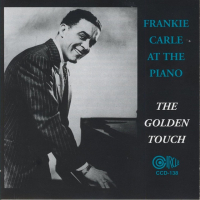
Frankie Carle

Jazz
Big band Jazz
Swing
Classical Crossover
 Viberate Rank: 133626
 Viberate Rank: 133626
 Monthly ListenersFollowers
 Subscribers
 Followers
 Followers
 FansTop Spotify Songs
| Track | 7-Day Streams | |
|---|---|---|
1 | 21.33K | |
2 | 6.50K | |
3 | 6.41K | |
4 | 6.41K | |
5 | 6.41K |
Top YouTube VideosMonthly ListenersFeatured in Playlists| Playlist | Followers | |
|---|---|---|
1 |  1940s Wartime Radio AtomicAnemoia | 71.67K |
2 |  Noël Jazz 🎄 🎺 Chanson Christmas Diner Reveillon Filtr France | 44.32K |
3 | Diamond City Radio! clubraverz | 43.09K |
4 | 1940s Hits platoc | 41.65K |
5 |  Essential Classics Essential Classics | 31.39K |
Audience| City | Monthly Listeners | |
|---|---|---|
1 | | 713 |
2 | | 673 |
3 | | 583 |
4 |  | 543 |
5 |  | 492 |
See full performance history, audience data, playlist activity, rankings, comparisons, and more in Viberate music analytics. Start with a free trial, then continue with a paid plan.
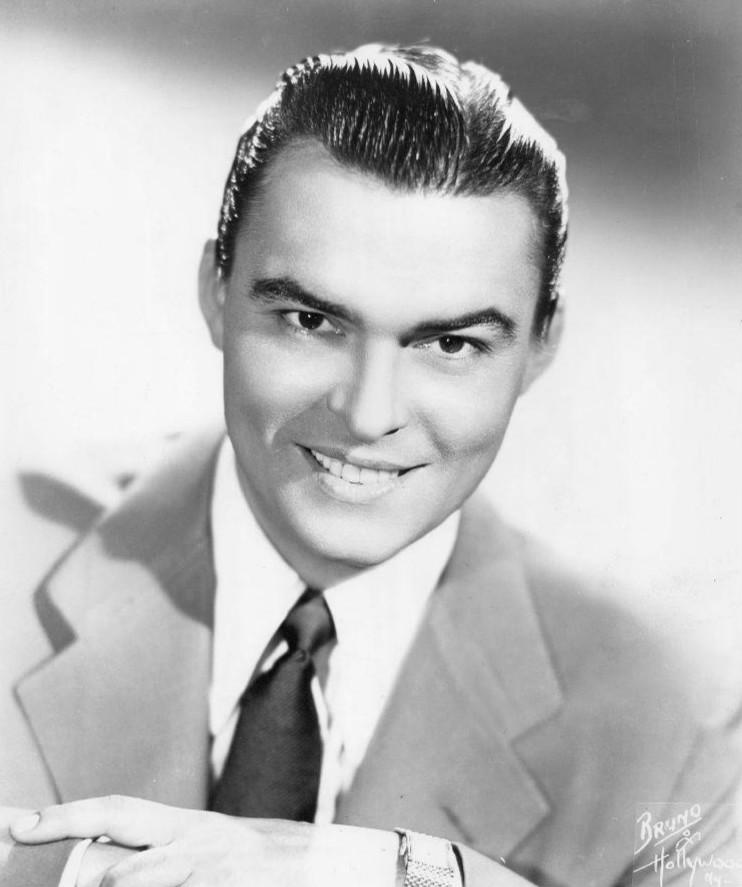
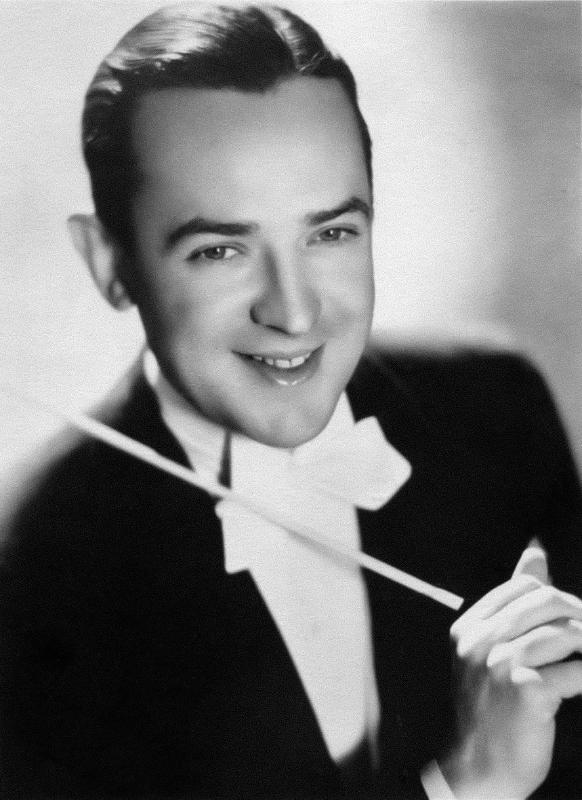
Frankie Carle’s Spotify BioFrankie Carle had one of the longest careers in big-band music, from the '30s right up through the '80s, more than a half-century of making music, and even more amazing a record given his current lack of representation in the CD bins. Carle began his career as a pianist, taught by his uncle Nicholas Colangelo. At age 13, he landed a gig in his uncle's orchestra, playing for $1 a week; by 1920, he was already leading his own short-lived group. He participated in his first recording sessions -- at Victor -- in 1925 as a member of Edwin J. McEnelley's band, which he joined in 1921. Carle's first important gig was as a member of Mal Hallett's band, where he got to work with drumming legend Gene Krupa, saxman Toots Mondello, and trombonists Jack Jenny and Jack Teagarden. Although the Hallett band never achieved major success before its breakup in 1937, it did provide Carle with experience and gainful employment, after which he spent a period leading his own band, playing in New England and… recording for Decca. Carle officially joined up with Horace Heidt in July 1939, and it was as a member of his Musical Knights, a band with a huge national following on radio, that Carle became much better known. By the early '40s, he felt the time was right to start his own band.
However, in 1941, Carle suddenly found himself in demand from several quarters. Eddy Duchin, who had just been drafted into the Navy, offered Carle the leadership of his band in his absence for a cut of the profits. This led to a bidding war, with Heidt offering Carle $1000 a week plus a five-percent cut of the gross to remain with his outfit; Carle wound up staying on as musical director. About two years later, Heidt decided to exit the music business, and helped Carle form his own band, which debuted in 1944.
His signature tune was "Sunrise Serenade," which had been a hit for Glenn Miller after Carle co-authored it in 1938; he recorded his own version for Columbia in 1945. A sponsor, in the shape of Old Gold cigarettes, was quick in coming, and Carle had a national radio show. Carle's repertory ranged far and wide, from big-band revivals of Stephen Foster numbers like "Swanee River" to contemporary subjects such as "I'm Going to See My Baby," a 1944 release that referred to the anticipated Allied victory in World War II. Their sound had a lot going for it -- in addition to Carle's formidable and highly melodic approach to the piano, there was vocalist Phyllis Lynne, who could evoke simmering passions or wide-eyed innocent romance. Lynne was succeeded by Marjorie Hughes (Carle's own daughter), and resident male vocalist Paul Allen also made a good impression on the public during the mid-'40s. The Carle orchestra had a clean, crisp sound, the trumpets, trombones, and the piano well-delineated; arrangers included ex-Horace Heidt alumnus Frank DeVol. Carle's work, like most of the best pop outfits of the period, incorporated elements of jazz, even though it was principally a dance or "sweet" (i.e. pop) band.
Their music was sparked by Carles bravura piano style. The big-band era ended, but Carle's career didn't. He didn't chart any records after the '40s, but he was still touring and playing concerts in the '80s, 40 years after he left Horace Heidt's band, and 70 years after he started in the business. Carle was the most senior of surviving big-band leaders until he passed away in early 2001 at the age of 97. ~ Bruce Eder, Rovi
Viberate is a music analytics platform built for A&Rs, artist managers, labels, booking agents, marketers, and artists.
It helps music professionals track artist growth, analyze audience data, monitor playlist activity, compare artists, follow song performance, and identify opportunities across the music market.
Public artist pages provide a free preview of selected artist data. Paid plans provide access to deeper analytics, historical data, charts, comparisons, playlist tools, exports, alerts, reports, and additional professional features.
Yes. Public Viberate artist pages provide selected artist analytics and music data for free.
Viberate also offers a 7-day free trial of the full platform. A credit card is required to start the trial. The trial includes access to the complete product so users can test deeper artist analytics, historical views, playlist insights, comparisons, charts, exports, alerts, and reporting features before choosing a paid plan.
Viberate provides artist analytics across streaming, playlists, social media, video, radio airplay, songs, and audience markets.
Users can analyze Spotify performance, Spotify and Apple Music playlists, YouTube activity, TikTok and Instagram growth, radio spins, song performance, audience locations, demographics, rankings, and overall artist momentum.
Artist profiles also connect to music charts, similar artists, and comparison tools, helping users benchmark performance and evaluate artists in context.
Viberate updates key artist and track data daily.
For followed artists and tracks, selected data is refreshed multiple times per day. This helps teams monitor playlist changes, streaming movement, audience growth, releases, and campaign performance with more current data.
Update frequency can vary depending on the metric and data source.
Yes. Viberate lets users compare up to five artists side by side across streaming, social media, audience, and engagement metrics.
Users can compare fanbase growth, audience demographics, locations, Spotify performance, social metrics, and other artist data over selected time periods.
Artist comparison can be used for A&R scouting, benchmarking, booking decisions, campaign planning, and evaluating artists with similar audiences or market positions.