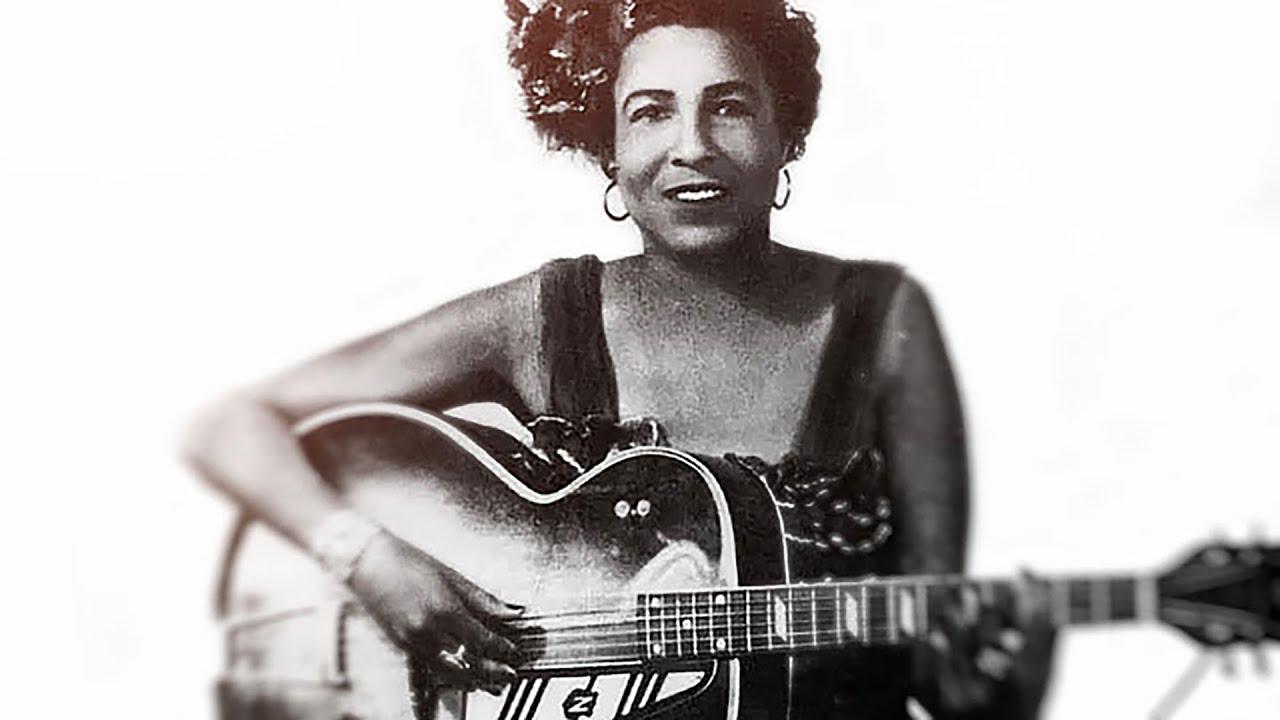
Trixie Smith

Blues
Classic Blues
 Viberate Rank: 321934
 Viberate Rank: 321934
 Monthly ListenersFollowers
 Subscribers
 Followers
 Followers
 FansTop Spotify Songs
| Track | 7-Day Streams | |
|---|---|---|
1 | 1.97K | |
2 | 1.64K | |
3 | 55 | |
4 | 55 | |
5 | 55 |
Top YouTube VideosMonthly ListenersFeatured in Playlists| Playlist | Followers | |
|---|---|---|
1 |  1920s: The Roaring Twenties! Nathalie.L | 66.79K |
2 |  WOODY ALLEN: movie soundtrack OST Paul Dahill | 30.07K |
3 |  1920s dance music🍸 Manuela Hoff | 21.06K |
4 | 20s 30s 40s Music Sean McKenzie | 16.82K |
5 | JoJo - 'Marvin's Room (Can't Do Better)' Greg | 14.86K |
Audience| City | Monthly Listeners | |
|---|---|---|
1 |  | 126 |
2 |  | 107 |
3 |  | 106 |
4 | | 104 |
5 | | 89 |
See full performance history, audience data, playlist activity, rankings, comparisons, and more in Viberate music analytics. Start with a free trial, then continue with a paid plan.
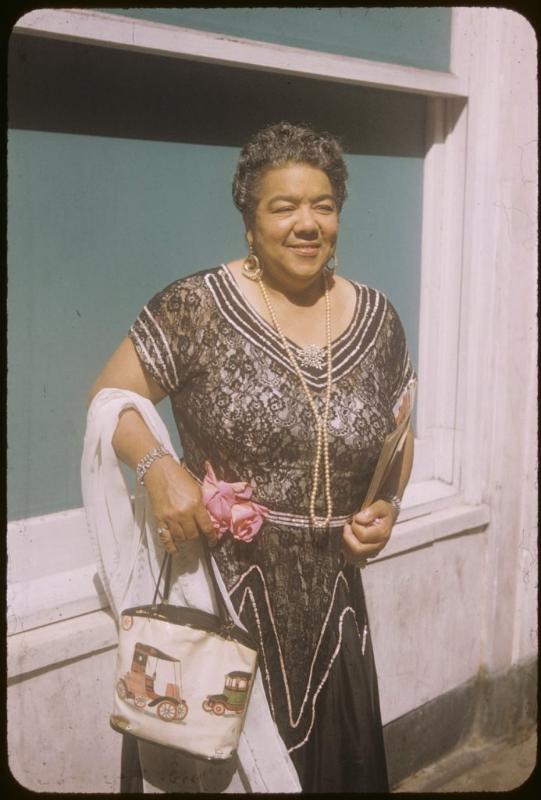
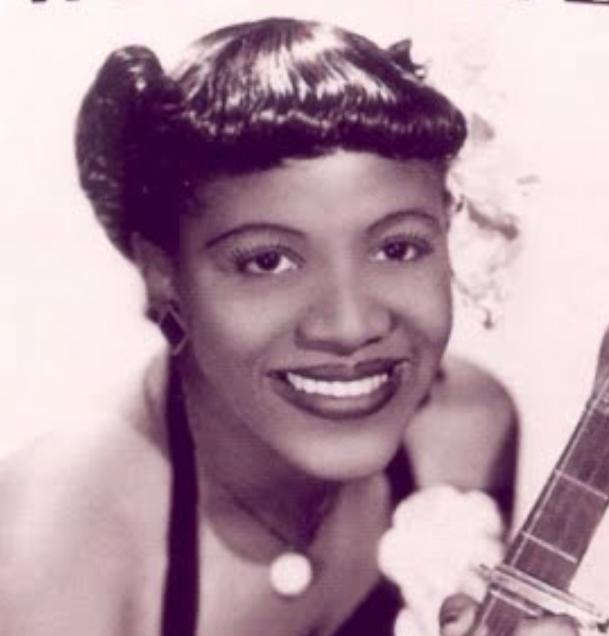
Trixie Smith’s Spotify BioOne of the classic blues Smith singers of the 1920s (although unrelated to Bessie, Clara and Mamie), Trixie Smith had a distinctive voice and a pleasing style of her own. She studied at Selma University, moved to New York in 1915, and performed in vaudeville and on the TOBA circuit. Smith worked in New York's theaters during the 1920s and '30s as an actress-singer and stayed active throughout her life. She recorded prolifically during 1922-25 for Black Swan and Paramount with her best-known dates resulting in four songs in 1925 in which Louis Armstrong was in her backup group; other sidemen along the way included James P. Johnson, Phil Napoleon and members of Fletcher Henderson's Orchestra. Oddly enough Smith did not record after 1925 until 1938 when she headed an all-star jazz group (which included Sidney Bechet, Charlie Shavers and Sammy Price) on one session; in addition in 1939 she cut "No Good Man" with a band including Red Allen and Barney Bigard. But by the time she passed away… at the age of 48 in 1943, Trixie Smith was largely forgotten. ~ Scott Yanow, Rovi
Viberate is a music analytics platform built for A&Rs, artist managers, labels, booking agents, marketers, and artists.
It helps music professionals track artist growth, analyze audience data, monitor playlist activity, compare artists, follow song performance, and identify opportunities across the music market.
Public artist pages provide a free preview of selected artist data. Paid plans provide access to deeper analytics, historical data, charts, comparisons, playlist tools, exports, alerts, reports, and additional professional features.
Yes. Public Viberate artist pages provide selected artist analytics and music data for free.
Viberate also offers a 7-day free trial of the full platform. A credit card is required to start the trial. The trial includes access to the complete product so users can test deeper artist analytics, historical views, playlist insights, comparisons, charts, exports, alerts, and reporting features before choosing a paid plan.
Viberate provides artist analytics across streaming, playlists, social media, video, radio airplay, songs, and audience markets.
Users can analyze Spotify performance, Spotify and Apple Music playlists, YouTube activity, TikTok and Instagram growth, radio spins, song performance, audience locations, demographics, rankings, and overall artist momentum.
Artist profiles also connect to music charts, similar artists, and comparison tools, helping users benchmark performance and evaluate artists in context.
Viberate updates key artist and track data daily.
For followed artists and tracks, selected data is refreshed multiple times per day. This helps teams monitor playlist changes, streaming movement, audience growth, releases, and campaign performance with more current data.
Update frequency can vary depending on the metric and data source.
Yes. Viberate lets users compare up to five artists side by side across streaming, social media, audience, and engagement metrics.
Users can compare fanbase growth, audience demographics, locations, Spotify performance, social metrics, and other artist data over selected time periods.
Artist comparison can be used for A&R scouting, benchmarking, booking decisions, campaign planning, and evaluating artists with similar audiences or market positions.