Blue Lu Barker

Jazz
Smooth Jazz
Swing
 Viberate Rank: 415187
 Viberate Rank: 415187
 Monthly ListenersFollowers
 Subscribers
 Followers
 Followers
 FansTop Spotify SongsTop YouTube VideosMonthly ListenersFeatured in Playlists
| Playlist | Followers | |
|---|---|---|
1 | Swing Dance Ivan Zdravkov | 25.88K |
2 | 20s 30s 40s Music Sean McKenzie | 16.82K |
3 | Swing Music for Dancers jquinlanspotify | 14.57K |
4 | LA Noire's KTI Radio Station Christopher Morlock | 4.25K |
5 |  Collegiate Shag - Faster and faster Rafał Rendak | 3.45K |
Audience| City | Monthly Listeners | |
|---|---|---|
1 |  | 46 |
2 | | 40 |
3 |  | 33 |
4 |  | 25 |
5 |  | 24 |
See full performance history, audience data, playlist activity, rankings, comparisons, and more in Viberate music analytics. Start with a free trial, then continue with a paid plan.
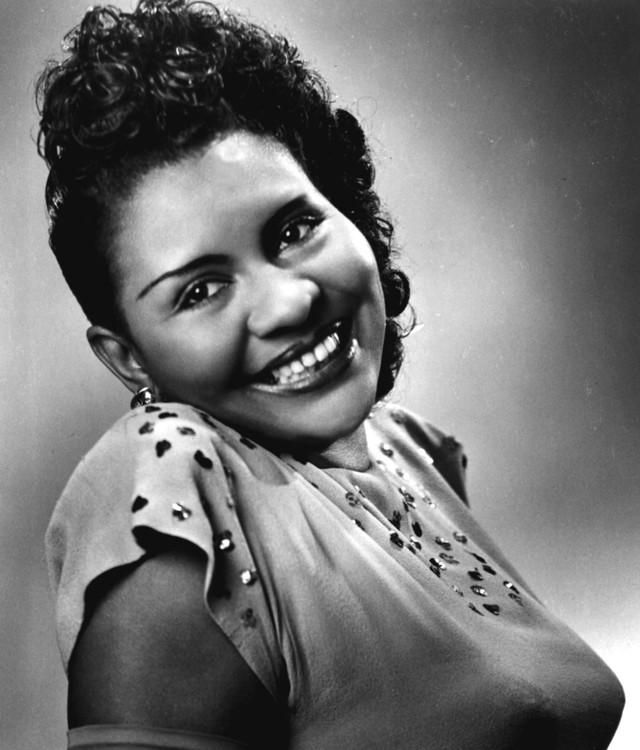
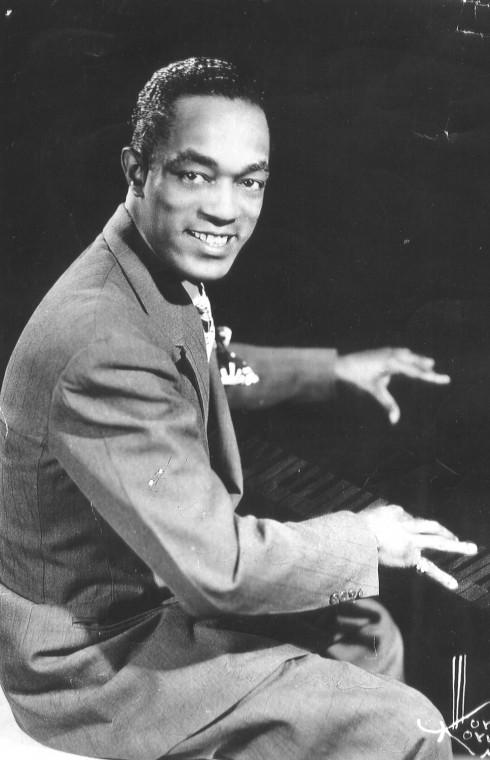
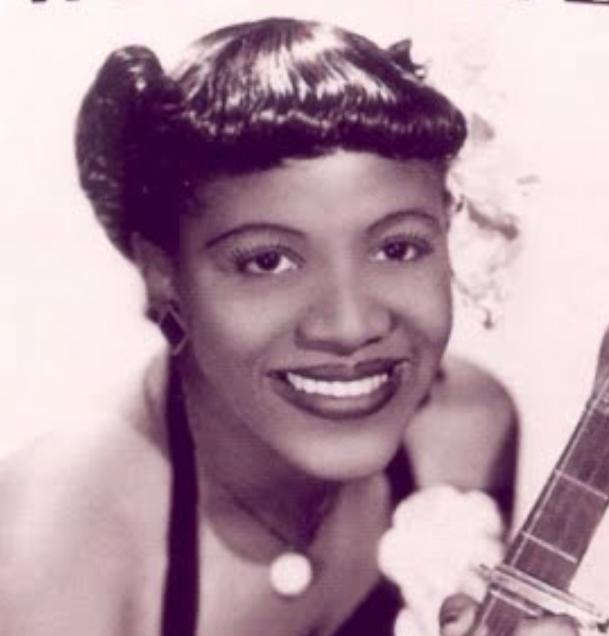
Blue Lu Barker’s Spotify BioSinger Blue Lu Barker was born, raised, and buried in New Orleans; her funeral even turned into a popular video broadcast spotlighting the town's jazz funeral traditions. Like many early Louisiana performing artists, claims to her paralyzing influence over the entire country's jazz and blues scenes tend to be made with great regularity. Thus the tale of Blue Lu Barker is one in which jazz critics on one side of the fence comment on her limited vocal range, while others come up with quotes such as this one, attributed to legendary jazz vocalist Billie Holiday: "Blue Lu Barker was my biggest influence." In both the '30s and '40s she was one of the more popular blues performers, often appearing alongside artists such as Cab Calloway and Jelly Roll Morton. Sometimes it was her husband, musician Danny Barker, who opened the doors to musical groups such as Sidney Bechet's, but no bandleader ever tossed her offstage when she clambered up for a vocal, especially once she started cutting hit… records. Barker's most famous recordings were done in 1938. "Don't You Feel My Leg" was a well-crafted song that seemed to encourage promiscuity and restraint simultaneously, always a good thing for the music business. The song got a second round of popularity in the '70s courtesy of Maria Muldaur. The early Barker material features her husband on banjo and guitar and the couple would continue performing together until his death. Her career continued after that, all the way up to a last recording taped live in 1998 at the New Orleans Jazz and Heritage Festival. That's unless the video of her funeral is counted, as her presence is majestic enough to almost be considered a performance. Players who are still alive and jamming at this event include the majestic Big Al Carson on tuba.
Barker was born Louisa Dupont Barker and her father ran a grocery store and pool hall, cashing in big time during prohibition with a stock of bootleg liquor. At 13, she left school and married Barker. In 1930 the couple moved to New York, hooking up a variety of performing situations including the contact with Morton. At the 1938 Vocalion session during which she cut her first vocals, the producer checked her out and came up with the Blue Lu Barker stage name. The couple were contracted to Decca in the '30s and the Apollo label the following decade, joining a roster at the latter label that included rhythm & blues and jazz greats such as Wynonie Harris, Dinah Washington, and Luis Russell. One of the couple's Apollo sessions even featured a jam with the mighty Charlie Parker. Blue Lu Barker was inducted into the Louisiana Blues Hall of Fame in 1997, one year before she died. ~ Eugene Chadbourne, Rovi
Viberate is a music analytics platform built for A&Rs, artist managers, labels, booking agents, marketers, and artists.
It helps music professionals track artist growth, analyze audience data, monitor playlist activity, compare artists, follow song performance, and identify opportunities across the music market.
Public artist pages provide a free preview of selected artist data. Paid plans provide access to deeper analytics, historical data, charts, comparisons, playlist tools, exports, alerts, reports, and additional professional features.
Yes. Public Viberate artist pages provide selected artist analytics and music data for free.
Viberate also offers a 7-day free trial of the full platform. A credit card is required to start the trial. The trial includes access to the complete product so users can test deeper artist analytics, historical views, playlist insights, comparisons, charts, exports, alerts, and reporting features before choosing a paid plan.
Viberate provides artist analytics across streaming, playlists, social media, video, radio airplay, songs, and audience markets.
Users can analyze Spotify performance, Spotify and Apple Music playlists, YouTube activity, TikTok and Instagram growth, radio spins, song performance, audience locations, demographics, rankings, and overall artist momentum.
Artist profiles also connect to music charts, similar artists, and comparison tools, helping users benchmark performance and evaluate artists in context.
Viberate updates key artist and track data daily.
For followed artists and tracks, selected data is refreshed multiple times per day. This helps teams monitor playlist changes, streaming movement, audience growth, releases, and campaign performance with more current data.
Update frequency can vary depending on the metric and data source.
Yes. Viberate lets users compare up to five artists side by side across streaming, social media, audience, and engagement metrics.
Users can compare fanbase growth, audience demographics, locations, Spotify performance, social metrics, and other artist data over selected time periods.
Artist comparison can be used for A&R scouting, benchmarking, booking decisions, campaign planning, and evaluating artists with similar audiences or market positions.