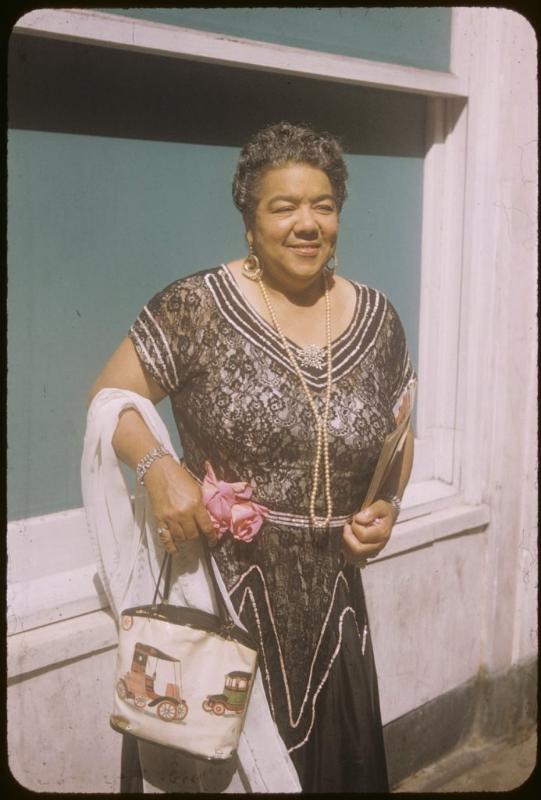
Lizzie Miles

Blues
Classic Blues
 Viberate Rank: 372232
 Viberate Rank: 372232
 Monthly ListenersFollowers
 Subscribers
 Followers
 Followers
 FansTop Spotify SongsTop YouTube VideosMonthly ListenersFeatured in Playlists
| Playlist | Followers | |
|---|---|---|
1 |  1920s: The Roaring Twenties! Nathalie.L | 66.79K |
2 |  Nancy Meyers' Kitchen Michael Bernardini | 62.79K |
3 |  WOODY ALLEN: movie soundtrack OST Paul Dahill | 30.07K |
4 | 20s 30s 40s Music Sean McKenzie | 16.82K |
5 |  A Vintage Halloween 🎃 triishxae | 10.12K |
Audience| City | Monthly Listeners | |
|---|---|---|
1 | | 74 |
2 |  | 72 |
3 |  | 69 |
4 | | 68 |
5 | | 65 |
See full performance history, audience data, playlist activity, rankings, comparisons, and more in Viberate music analytics. Start with a free trial, then continue with a paid plan.
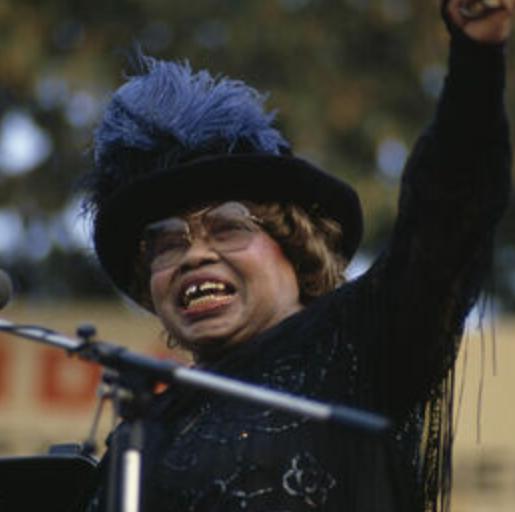
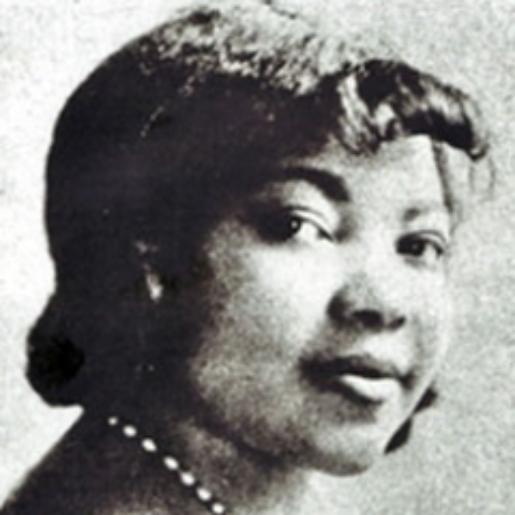
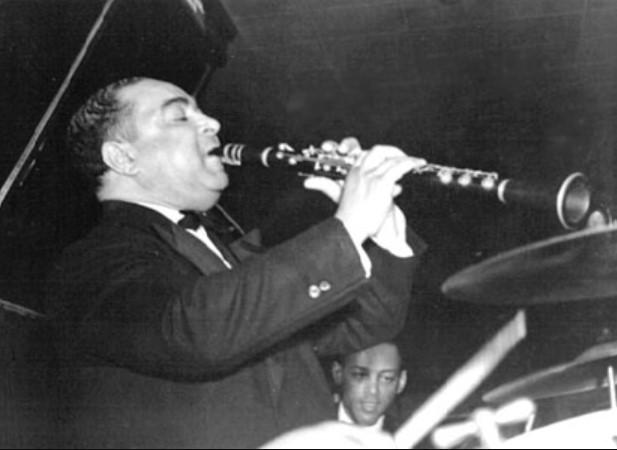
Lizzie Miles’ Spotify BioLizzie Miles was a fine classic blues singer from the 1920s who survived to have a full comeback in the 1950s. She started out singing in New Orleans during 1909-1911 with such musicians as King Oliver, Kid Ory, and Bunk Johnson. Miles spent several years touring the South in minstrel shows and playing in theaters. She was in Chicago during 1918-1920 and then moved to New York in 1921, making her recording debut the following year. Her recordings from the 1922-1930 period mostly used lesser-known players, but Louis Metcalf and King Oliver were on two songs apiece and she recorded a pair of duets with Jelly Roll Morton in 1929. Miles sang with A.J. Piron and Sam Wooding, toured Europe during 1924-1925, and was active in New York during 1926-1931. Illness knocked her out of action for a period, but by 1935, she was performing with Paul Barbarin, she sang with Fats Waller in 1938, and recorded a session in 1939. Lizzie Miles spent 1943-1949 outside of music, but in 1950 began a comeback,… often performing with Bob Scobey or George Lewis during her final decade. ~ Scott Yanow, Rovi
Viberate is a music analytics platform built for A&Rs, artist managers, labels, booking agents, marketers, and artists.
It helps music professionals track artist growth, analyze audience data, monitor playlist activity, compare artists, follow song performance, and identify opportunities across the music market.
Public artist pages provide a free preview of selected artist data. Paid plans provide access to deeper analytics, historical data, charts, comparisons, playlist tools, exports, alerts, reports, and additional professional features.
Yes. Public Viberate artist pages provide selected artist analytics and music data for free.
Viberate also offers a 7-day free trial of the full platform. A credit card is required to start the trial. The trial includes access to the complete product so users can test deeper artist analytics, historical views, playlist insights, comparisons, charts, exports, alerts, and reporting features before choosing a paid plan.
Viberate provides artist analytics across streaming, playlists, social media, video, radio airplay, songs, and audience markets.
Users can analyze Spotify performance, Spotify and Apple Music playlists, YouTube activity, TikTok and Instagram growth, radio spins, song performance, audience locations, demographics, rankings, and overall artist momentum.
Artist profiles also connect to music charts, similar artists, and comparison tools, helping users benchmark performance and evaluate artists in context.
Viberate updates key artist and track data daily.
For followed artists and tracks, selected data is refreshed multiple times per day. This helps teams monitor playlist changes, streaming movement, audience growth, releases, and campaign performance with more current data.
Update frequency can vary depending on the metric and data source.
Yes. Viberate lets users compare up to five artists side by side across streaming, social media, audience, and engagement metrics.
Users can compare fanbase growth, audience demographics, locations, Spotify performance, social metrics, and other artist data over selected time periods.
Artist comparison can be used for A&R scouting, benchmarking, booking decisions, campaign planning, and evaluating artists with similar audiences or market positions.