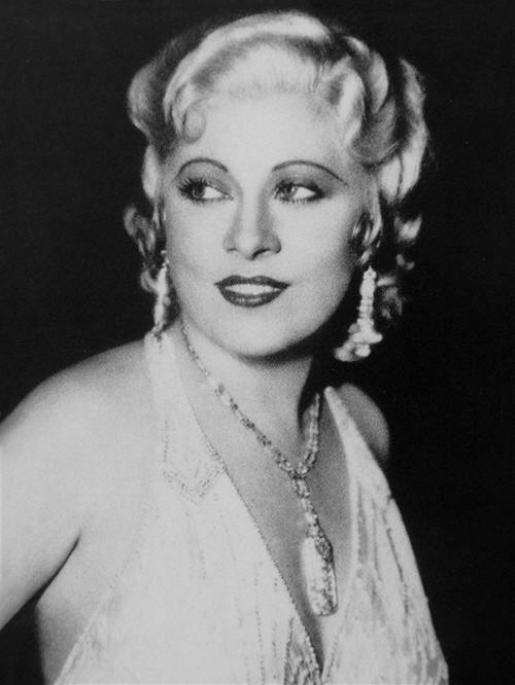
Mae West

Jazz
Swing
Big band Jazz
 Viberate Rank: 275869
 Viberate Rank: 275869
 Monthly ListenersFollowers
 Subscribers
 Followers
 Followers
 FansTop Spotify SongsTop YouTube VideosMonthly ListenersFeatured in Playlists
| Playlist | Followers | |
|---|---|---|
1 |  Russian Doll 1& 2 Soundtrack Roc Trax | 69.08K |
2 |  Burlesque & Striptease Classics annebaaner | 18.50K |
3 | Swing Music for Dancers jquinlanspotify | 14.57K |
4 |  Dirty 1920s & 1930s 😏 suzie. | 9.79K |
5 | Classical Covers: Bob Dylan Spotify UK | 9.25K |
Audience| City | Monthly Listeners | |
|---|---|---|
1 |  | 98 |
2 |  | 59 |
3 | | 55 |
4 | | 53 |
5 |  | 49 |
See full performance history, audience data, playlist activity, rankings, comparisons, and more in Viberate music analytics. Start with a free trial, then continue with a paid plan.
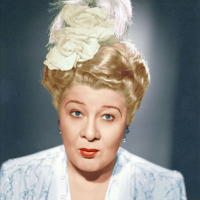
Mae West’s Spotify BioBuxom actress Mae West employed clever double-entendres throughout the course of her long career on stage and screen. More than once she managed to squeeze something suggestive past the eagle eyes and ears of her rigid censors, and her public came to adore her for it. In fact she boasted of the feat, saying, "I believe in censorship. I made a fortune out of it." Similarly, the titles of West's recordings veered toward the suggestive and risqué. The Rosetta Records release Mae West Sings Sultry Songs includes such numbers as "A Guy That Takes His Time," "Easy Rider," and "Pardon Me for Loving and Running." The compilation I'm No Angel from Jasmine Records, which was named for one of her early films, features the title song and "I Want You, I Need You." The Fabulous Mae West from MCA Records offers "I'm in the Mood for Love" and "All of Me." The Mind's Eye issued a cassette featuring such classic West numbers as "Come Up and See Me Sometime," as well as "Slow Down."
The actress was born… Mary Jane West in Brooklyn, NY, in 1893, although some sources say she was born a year earlier. By the age of five she was working the boards in vaudeville. By her early teens her performances had earned her the moniker of "Baby Vamp." She eventually landed on Broadway in Diamond Lil, but not before offending the moral code of the 1920s and earning a short stop in jail for one of the plays she had written, which she titled Sex.
Her fortunes turned around when she went to Hollywood. Outrageous remarks packed with sexual innuendo brought fame and adulation to the five-foot blonde actress with an exaggerated hourglass figure, as well as an Oscar nomination in 1933 for She Done Him Wrong, her second movie. Evidently another of West's oft-quoted remarks was accurate. She said, "When I'm good, I'm very good, but when I'm bad I'm better." A look at her salary during the early Hollywood years backs up this claim. In 1932, in the midst of the Depression, she was paid $50,000 to make one film. In 1959 the actress published Goodness Had Nothing to Do with It, her autobiography. She remained active almost until the end, making her final film, Sextette, just two years prior to her passing. She died in Los Angeles, CA, in 1980, after experiencing a number of strokes. During her life she claimed that she had never taken a husband, and she is given credit for saying, "Marriage is a great institution, but I'm not ready for an institution." However, records indicate that she married a man named Frank Wallace.
Recordings are available of West's radio and television appearances. Mark 56 Records offers recordings of the actress on a 1937 radio broadcast with Edgar Bergen and his puppet, Charlie McCarthy. Other broadcasts include a take from her guest appearance in the '30s on The Rudy Vallee Show and two of her Christmas broadcasts from the early '70s for The American Forces Radio Service. Recordings of her television work span the 1940s to the 1960s and include guest appearances on shows hosted by Perry Como, Red Skelton, and Dean Martin. ~ Linda Seida, Rovi
Viberate is a music analytics platform built for A&Rs, artist managers, labels, booking agents, marketers, and artists.
It helps music professionals track artist growth, analyze audience data, monitor playlist activity, compare artists, follow song performance, and identify opportunities across the music market.
Public artist pages provide a free preview of selected artist data. Paid plans provide access to deeper analytics, historical data, charts, comparisons, playlist tools, exports, alerts, reports, and additional professional features.
Yes. Public Viberate artist pages provide selected artist analytics and music data for free.
Viberate also offers a 7-day free trial of the full platform. A credit card is required to start the trial. The trial includes access to the complete product so users can test deeper artist analytics, historical views, playlist insights, comparisons, charts, exports, alerts, and reporting features before choosing a paid plan.
Viberate provides artist analytics across streaming, playlists, social media, video, radio airplay, songs, and audience markets.
Users can analyze Spotify performance, Spotify and Apple Music playlists, YouTube activity, TikTok and Instagram growth, radio spins, song performance, audience locations, demographics, rankings, and overall artist momentum.
Artist profiles also connect to music charts, similar artists, and comparison tools, helping users benchmark performance and evaluate artists in context.
Viberate updates key artist and track data daily.
For followed artists and tracks, selected data is refreshed multiple times per day. This helps teams monitor playlist changes, streaming movement, audience growth, releases, and campaign performance with more current data.
Update frequency can vary depending on the metric and data source.
Yes. Viberate lets users compare up to five artists side by side across streaming, social media, audience, and engagement metrics.
Users can compare fanbase growth, audience demographics, locations, Spotify performance, social metrics, and other artist data over selected time periods.
Artist comparison can be used for A&R scouting, benchmarking, booking decisions, campaign planning, and evaluating artists with similar audiences or market positions.