Helen Humes

Jazz
Swing
Vocal jazz
 Viberate Rank: 206096
 Viberate Rank: 206096
 Monthly ListenersFollowers
 Subscribers
 Followers
 Followers
 FansTop Spotify Songs
| Track | 7-Day Streams | |
|---|---|---|
1 | 1.05K | |
2 | 1.05K | |
3 | 760 | |
4 | 756 | |
5 | 577 |
Top YouTube VideosMonthly ListenersFeatured in Playlists| Playlist | Followers | |
|---|---|---|
1 | Jillian Nichols | 87.20K |
2 | Wasteland Radio Expanded Neale Christopher Zeringue | 76.98K |
3 |  Jump Blues Spotify | 65.59K |
4 |  Disclosure's Record Bag Disclosure | 60.51K |
5 | 1920s - 1940s Jazz and Swing verinaverona | 51.42K |
Audience| City | Monthly Listeners | |
|---|---|---|
1 |  | 190 |
2 | | 136 |
3 |  | 132 |
4 | | 126 |
5 |  | 122 |
See full performance history, audience data, playlist activity, rankings, comparisons, and more in Viberate music analytics. Start with a free trial, then continue with a paid plan.
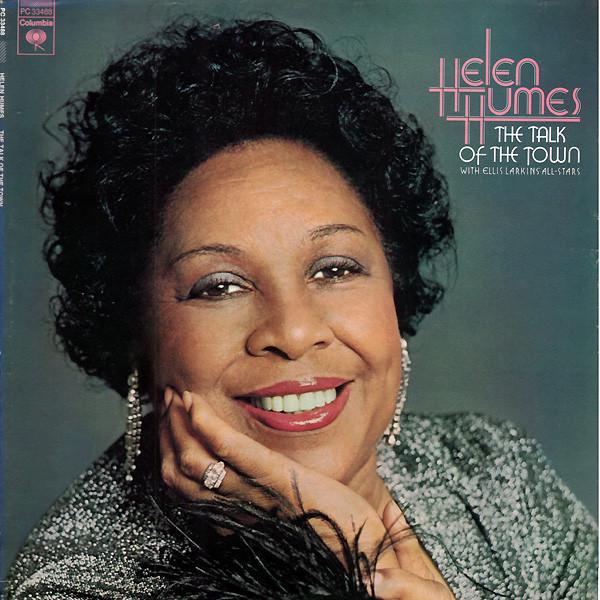
Helen Humes’ Spotify BioHelen Humes was a versatile singer equally skilled on blues, swing standards, and ballads. Her cheerful style was always a joy to hear. As a child, she played piano and organ in church, and made her first recordings (ten blues songs in 1927) when she was only 13 and 14. In the 1930s, she worked with Stuff Smith and Al Sears, recording with Harry James in 1937-1938. In 1938, Humes joined Count Basie's Orchestra for three years. Since Jimmy Rushing specialized in blues, Helen Humes mostly got stuck singing pop ballads, but she did a fine job. After freelancing in New York (1941-1943) and touring with Clarence Love (1943-1944), Humes moved to Los Angeles. She began to record as a leader and had a hit in "Be-Baba-Leba"; her 1950 original "Million Dollar Secret" is a classic. Humes sometimes performed with Jazz at the Philharmonic, but was mostly a single in the 1950s. She recorded three superb albums for Contemporary during 1959-1961, and had tours with Red Norvo. She moved to Australia in… 1964, returning to the U.S. in 1967 to take care of her ailing mother. Humes was out of the music business for several years, but made a full comeback in 1973, and stayed busy up until her death. Throughout her career, Helen Humes recorded for such labels as Savoy, Aladdin, Mercury, Decca, Dootone, Contemporary, Classic Jazz, Black & Blue, Black Lion, Jazzology, Columbia, and Muse. ~ Scott Yanow, Rovi
Viberate is a music analytics platform built for A&Rs, artist managers, labels, booking agents, marketers, and artists.
It helps music professionals track artist growth, analyze audience data, monitor playlist activity, compare artists, follow song performance, and identify opportunities across the music market.
Public artist pages provide a free preview of selected artist data. Paid plans provide access to deeper analytics, historical data, charts, comparisons, playlist tools, exports, alerts, reports, and additional professional features.
Yes. Public Viberate artist pages provide selected artist analytics and music data for free.
Viberate also offers a 7-day free trial of the full platform. A credit card is required to start the trial. The trial includes access to the complete product so users can test deeper artist analytics, historical views, playlist insights, comparisons, charts, exports, alerts, and reporting features before choosing a paid plan.
Viberate provides artist analytics across streaming, playlists, social media, video, radio airplay, songs, and audience markets.
Users can analyze Spotify performance, Spotify and Apple Music playlists, YouTube activity, TikTok and Instagram growth, radio spins, song performance, audience locations, demographics, rankings, and overall artist momentum.
Artist profiles also connect to music charts, similar artists, and comparison tools, helping users benchmark performance and evaluate artists in context.
Viberate updates key artist and track data daily.
For followed artists and tracks, selected data is refreshed multiple times per day. This helps teams monitor playlist changes, streaming movement, audience growth, releases, and campaign performance with more current data.
Update frequency can vary depending on the metric and data source.
Yes. Viberate lets users compare up to five artists side by side across streaming, social media, audience, and engagement metrics.
Users can compare fanbase growth, audience demographics, locations, Spotify performance, social metrics, and other artist data over selected time periods.
Artist comparison can be used for A&R scouting, benchmarking, booking decisions, campaign planning, and evaluating artists with similar audiences or market positions.