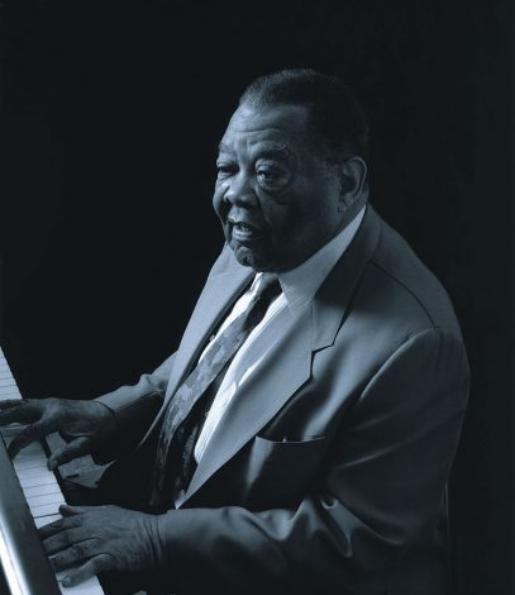
Alberta Hunter

Blues
Classic Blues
Smooth Jazz
 Viberate Rank: 163398
 Viberate Rank: 163398
 Monthly ListenersFollowers
 Subscribers
 Followers
 Followers
 FansTop Spotify Songs
| Track | 7-Day Streams | |
|---|---|---|
1 | 6.78K | |
2 | 1.79K | |
3 | 1.15K | |
4 | 931 | |
5 | 892 |
Top YouTube VideosMonthly ListenersFeatured in Playlists| Playlist | Followers | |
|---|---|---|
1 |  Classic jazz blues and soul Guy | 185.76K |
2 | JAZZ/BLUES Bowerbird & Friends | 81.78K |
3 |  1920s: The Roaring Twenties! Nathalie.L | 66.79K |
4 |  Essential Classics Essential Classics | 31.39K |
5 |  LINDY HOP Dance Music Li Smuki | 22.75K |
Audience| City | Monthly Listeners | |
|---|---|---|
1 |  | 654 |
2 |  | 441 |
3 | | 382 |
4 | | 293 |
5 |  | 281 |
See full performance history, audience data, playlist activity, rankings, comparisons, and more in Viberate music analytics. Start with a free trial, then continue with a paid plan.
Alberta Hunter’s Spotify BioAlberta Hunter was a pioneering African-American popular singer whose path crossed the streams of jazz, blues, and pop music. While she made important contributions to all of these stylistic genres, she is claimed exclusively by no single mode of endeavor. Hunter recorded in six decades of the 20th century, and enjoyed a career in music that outlasted most human lives.
Hunter was born in Memphis, and depending on which account you read, she either ran away from home or her family relocated to Chicago when she was 12 years old. Her career began in the bawdy houses on the south side of Chicago, probably in 1911 or 1912, although she claimed 1909. Early on she married, but ultimately discovered she preferred women to men. In Chicago, Hunter worked with legendary pianist Tony Jackson, was good friends with King Oliver's pianist Lil Hardin Armstrong, and even sang in white clubs. But working in these violent, rough-and-tumble night clubs was dangerous business, and not long after an incident… where Hunter's piano accompanist was killed by a stray bullet, she decided to try her talent in New York.
Not long after she arrived, Hunter made contact with the Harry Pace and his Black Swan Records. Her initial sessions for the label, made in May 1921, were the first blues vocals recorded by the company. Later, after Paramount acquired Black Swan, these sides were co-mingled with Hunter's newer Paramount recordings; her work from both labels dominated the early couplings in the Paramount 12000 Race series. Her recordings were also pressed for labels like Puritan, Harmograph, and Silvertone under pseudonyms such as Josephine Beatty, Alberta Prime, Anna Jones, and even May Alix, the name of another (incidentally inferior) real live singer!
Although some listeners accustomed to her voice on her post-1977 recordings have little or no use for these early waxes, Hunter contributed positively to some very important sessions. These include a 1923 Paramount date where she was accompanied by a white group, the Original Memphis Five, said to be the first session of its kind; the famous Red Onion Jazz Babies session for Gennett-Champion's New York studio with Louis Armstrong and Sidney Bechet that produced "Cake Walking Babies from Home" and the vocal version of "Texas Moaner Blues"; many sessions backed by Fletcher Henderson's earliest orchestra, and some others where she was supported by Fats Waller, Eubie Blake, Lovie Austin, and Tommy Ladnier. Altogether, Hunter made more than 80 sides before 1930, most of them recorded before 1925. A (rumored) rejected 1926 date for Vocalion teamed her with King Oliver, Lil Armstrong, and Johnny Dodds, but nothing concrete about this session has ever surfaced, and certainly no recordings of it.
During the '20s, Hunter also established herself as a songwriter of some significance; her song "Downhearted Blues" was covered by Bessie Smith on her first recording for Columbia, and was a huge hit for Smith. Hunter was able to break easily into the Black vaudeville circuit and by 1927 she was off to Europe for an extended stay which would keep her out of the U.S. for most of the depression. In London in 1934, Hunter made an extensive series of recordings with an orchestra led by Jack Jackson, some of these being straight-up pop records with no pretension of being blues or jazz. Returning to the U.S. in 1935, Hunter still found an audience waiting for her, but record dates were getting harder to come by. She made sessions with ARC, Bluebird, and Decca, but these generated no hits, and some weren't even released. Hunter ultimately wound up working for fly-by-night indies such as Regal and Juke Box in the '40s. Unfazed, she worked the USO circuit during World War II and still had considerable drawing power in terms of personal appearances. There are those who insist that her recordings are nothing but a weak imitation of the real thing, and that it was Alberta Hunter the "live" performer who kept her fan base active during these years.
Hunter dropped out of show business for two decades starting in 1956 in favor of working as a licensed practical nurse at a hospital in the New York City area. She broke from this routine only once, in 1961, in order to make a justly celebrated album for Bluesville which reunited her with her old friends Lovie Austin and Lil Hardin Armstrong. None of her patients or co-workers at the hospital had any idea who she was or what a famous name she had been, and Hunter preferred it that way.
When Hunter retired from nursing in 1977, she was 81 and ready to go back on the road. By this time her voice was gritty, down and dirty, and her fans loved her for it. She made four albums for Columbia between 1977 and her death in 1984, including the extraordinary Amtrak Blues, and for many younger listeners, these are the records by which Alberta Hunter is defined. Oddly, these same fans have little patience for her sweet and precious singing in the '20s, and relatively few outside of England would have much tolerance for her '30s work with Jack Jackson. Nonetheless, all of Hunter's recordings are interesting and wonderful in their own way.
Alberta Hunter was one of the earliest Black singers, along with Sippie Wallace, to make the transition from the lowly brothels and sporting houses into the international spotlight. That she defies easy categorization attests to the astonishing fact that she was on the scene a little before the genres themselves were defined. Her longevity as a popular artist is equaled by only a few, and she was successful in adapting her style to changes in popular taste, as well as along the lines of her own personal experiences. ~ Uncle Dave Lewis, Rovi
Viberate is a music analytics platform built for A&Rs, artist managers, labels, booking agents, marketers, and artists.
It helps music professionals track artist growth, analyze audience data, monitor playlist activity, compare artists, follow song performance, and identify opportunities across the music market.
Public artist pages provide a free preview of selected artist data. Paid plans provide access to deeper analytics, historical data, charts, comparisons, playlist tools, exports, alerts, reports, and additional professional features.
Yes. Public Viberate artist pages provide selected artist analytics and music data for free.
Viberate also offers a 7-day free trial of the full platform. A credit card is required to start the trial. The trial includes access to the complete product so users can test deeper artist analytics, historical views, playlist insights, comparisons, charts, exports, alerts, and reporting features before choosing a paid plan.
Viberate provides artist analytics across streaming, playlists, social media, video, radio airplay, songs, and audience markets.
Users can analyze Spotify performance, Spotify and Apple Music playlists, YouTube activity, TikTok and Instagram growth, radio spins, song performance, audience locations, demographics, rankings, and overall artist momentum.
Artist profiles also connect to music charts, similar artists, and comparison tools, helping users benchmark performance and evaluate artists in context.
Viberate updates key artist and track data daily.
For followed artists and tracks, selected data is refreshed multiple times per day. This helps teams monitor playlist changes, streaming movement, audience growth, releases, and campaign performance with more current data.
Update frequency can vary depending on the metric and data source.
Yes. Viberate lets users compare up to five artists side by side across streaming, social media, audience, and engagement metrics.
Users can compare fanbase growth, audience demographics, locations, Spotify performance, social metrics, and other artist data over selected time periods.
Artist comparison can be used for A&R scouting, benchmarking, booking decisions, campaign planning, and evaluating artists with similar audiences or market positions.