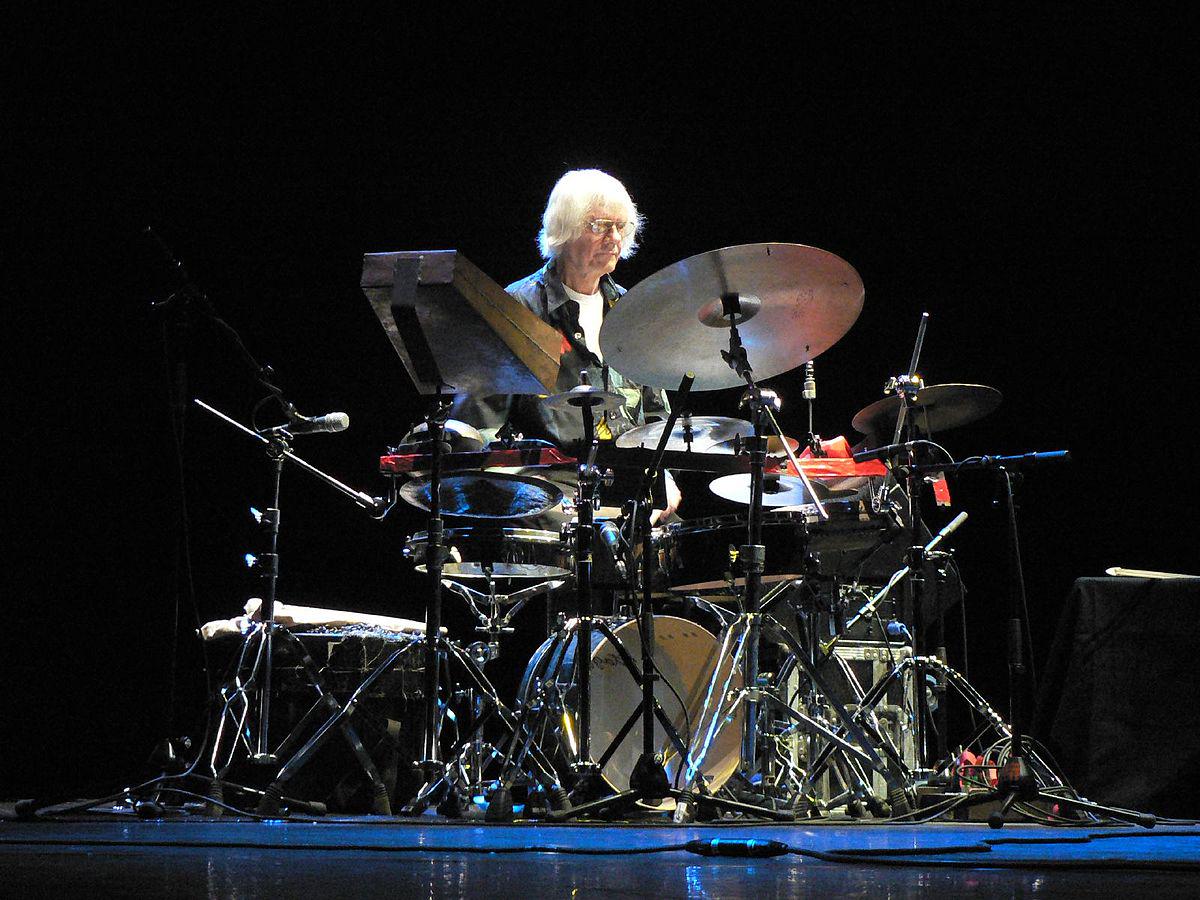
Tony Oxley

Jazz
Free Jazz
Avant-garde Jazz
 Viberate Rank: 491709
 Viberate Rank: 491709
 Monthly ListenersFollowers
 Subscribers
 Followers
 Followers
 FansTop Spotify Songs
| Track | 7-Day Streams | |
|---|---|---|
1 | 574 | |
2 | 399 | |
3 | 357 | |
4 | 78 | |
5 | 77 |
Top YouTube VideosMonthly ListenersFeatured in Playlists| Playlist | Followers | |
|---|---|---|
1 |  Jazz Trumpet Spotify | 93.01K |
2 | ECM RECORDS (best) Alex Soukiouroglou | 16.98K |
3 |  TF Blade Old trtld | 14.28K |
4 |  The Sound of Free Jazz The Sounds of Spotify | 10.46K |
5 |  ECM Yves Riviere | 5.39K |
Audience| City | Monthly Listeners | |
|---|---|---|
1 |  | 284 |
2 | | 71 |
3 | | 69 |
4 | | 67 |
5 | | 62 |
See full performance history, audience data, playlist activity, rankings, comparisons, and more in Viberate music analytics. Start with a free trial, then continue with a paid plan.
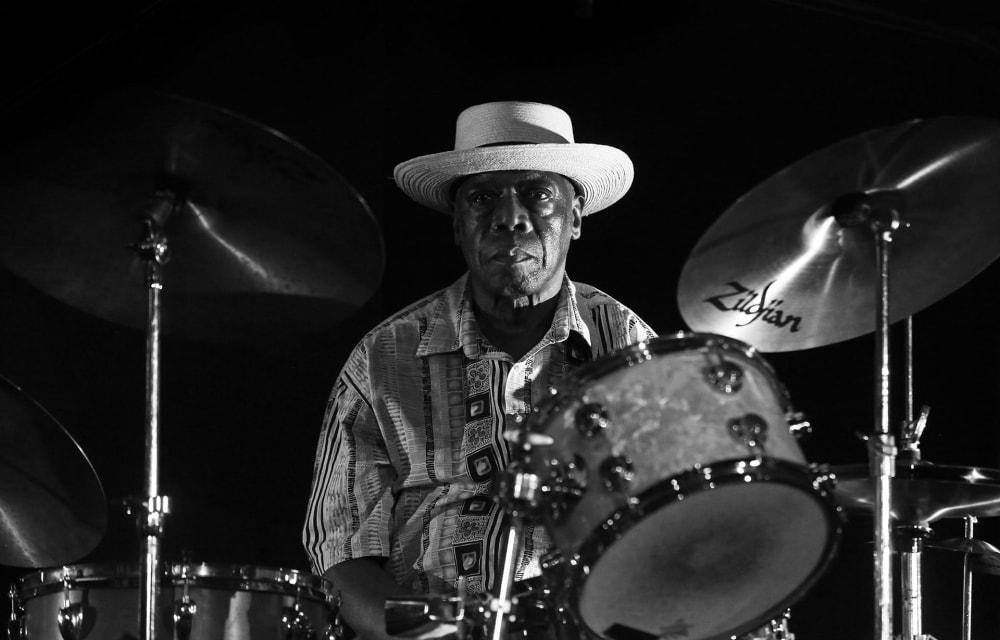
Tony Oxley’s Spotify BioOne of the founders of jazz-based free improvisation in the U.K., from 1963 to 1966 Oxley was one-third of Joseph Holbrooke, a pioneering group based in Sheffield that also included guitarist Derek Bailey and then-bassist (later composer) Gavin Bryars. The group started out as a relatively conventional jazz outfit, but by 1965 it had begun playing totally improvised pieces. The group's relative isolation from other currents in British free music -- drummer John Stevens' London-based Spontaneous Music Ensemble was a contemporary -- purportedly helped the band develop a unique approach. After the members moved to London in 1967, Oxley became the house drummer at Ronnie Scott's, a famous mainstream jazz club. He also continued working in experimental contexts. After winning Melody Maker's reader's poll, Oxley was given the chance to record as a leader. His first album was The Baptised Traveler (1969); the record reflected Oxley's steadfast interest in free improv. In 1971, with Bailey and… saxophonist Evan Parker, Oxley established Incus Records, which became England's premier free jazz/improv label. Oxley also worked with the London Jazz Composer's Orchestra. In the mid-'70s, he formed SOH, a trio with the saxophonist Alan Skidmore and bassist Ali Haurand. The group lasted until 1984.
From that point onward, Oxley performed with many, if not most, of free jazz's leading figures. Of particular note was his work with the Feel Trio, a venture with pianist Cecil Taylor and bassist William Parker, lasting intermittently from 1988-1991. In the '90s, Oxley led and recorded with the Celebration Orchestra. He continued to play and record with a number of European new music stalwarts, including saxophonist John Surman and trumpeter Tomasz Stanko, for the ECM label. In the late '90s, Oxley began playing in a duo with Bailey, renewing a partnership that exerted so much influence on the course of British experimental music. The live Triangular Screen, drawn from two different concerts, appeared on Sofa Records in 2000. Floating Phantoms arrived in 2002. Advocate, which paired Oxley with guitarist Derek Bailey, came out on John Zorn's Tzadik Records in 2007. Oxley was also an accomplished painter working in an abstract figurative vein. He died on December 26, 2023, at the age of 85. ~ Chris Kelsey, Rovi
Viberate is a music analytics platform built for A&Rs, artist managers, labels, booking agents, marketers, and artists.
It helps music professionals track artist growth, analyze audience data, monitor playlist activity, compare artists, follow song performance, and identify opportunities across the music market.
Public artist pages provide a free preview of selected artist data. Paid plans provide access to deeper analytics, historical data, charts, comparisons, playlist tools, exports, alerts, reports, and additional professional features.
Yes. Public Viberate artist pages provide selected artist analytics and music data for free.
Viberate also offers a 7-day free trial of the full platform. A credit card is required to start the trial. The trial includes access to the complete product so users can test deeper artist analytics, historical views, playlist insights, comparisons, charts, exports, alerts, and reporting features before choosing a paid plan.
Viberate provides artist analytics across streaming, playlists, social media, video, radio airplay, songs, and audience markets.
Users can analyze Spotify performance, Spotify and Apple Music playlists, YouTube activity, TikTok and Instagram growth, radio spins, song performance, audience locations, demographics, rankings, and overall artist momentum.
Artist profiles also connect to music charts, similar artists, and comparison tools, helping users benchmark performance and evaluate artists in context.
Viberate updates key artist and track data daily.
For followed artists and tracks, selected data is refreshed multiple times per day. This helps teams monitor playlist changes, streaming movement, audience growth, releases, and campaign performance with more current data.
Update frequency can vary depending on the metric and data source.
Yes. Viberate lets users compare up to five artists side by side across streaming, social media, audience, and engagement metrics.
Users can compare fanbase growth, audience demographics, locations, Spotify performance, social metrics, and other artist data over selected time periods.
Artist comparison can be used for A&R scouting, benchmarking, booking decisions, campaign planning, and evaluating artists with similar audiences or market positions.