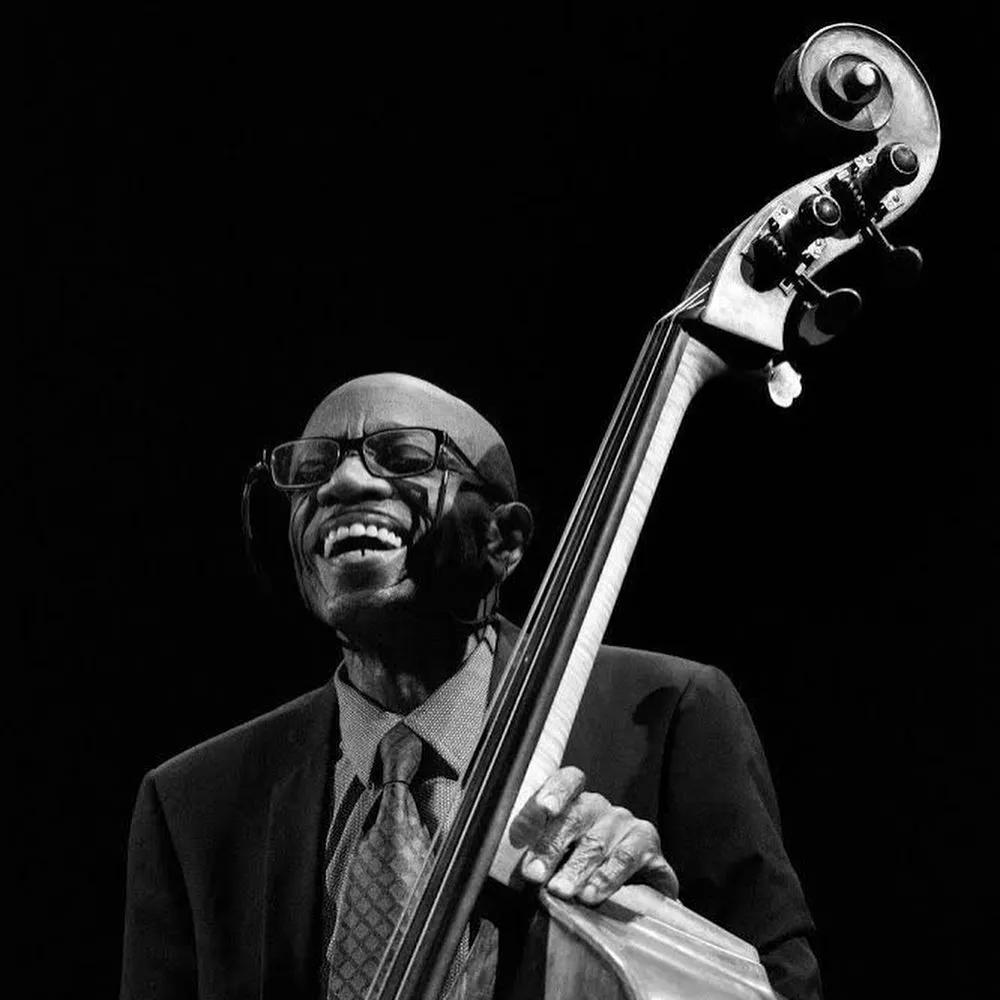
Reggie Workman

Jazz
Free Jazz
 Viberate Rank: 209691
 Viberate Rank: 209691
 Monthly ListenersFollowers
 Subscribers
 Followers
 Followers
 FansTop Spotify Songs
| Track | 7-Day Streams | |
|---|---|---|
1 | 17.63K | |
2 | 2.40K | |
3 | 461 | |
4 | 277 | |
5 | 270 |
Top YouTube VideosMonthly ListenersFeatured in Playlists| Playlist | Followers | |
|---|---|---|
1 |  Avant-Jazz Spotify | 70.76K |
2 | Recommended performances from Ted Gioia's book 'The Jazz Standards' jhiggy58 | 8.57K |
3 |  Deep Spiritual Jazz Neil Lampert | 7.30K |
4 |  Cool jazz & Italian café August Sandberg | 7.15K |
5 | Starbucks Coffee Table Jazz & Study Music Juan-Pablo Cabrera | 6.17K |
Audience| City | Monthly Listeners | |
|---|---|---|
1 |  | 40 |
2 | | 34 |
3 |  | 30 |
4 |  | 27 |
5 |  | 24 |
See full performance history, audience data, playlist activity, rankings, comparisons, and more in Viberate music analytics. Start with a free trial, then continue with a paid plan.
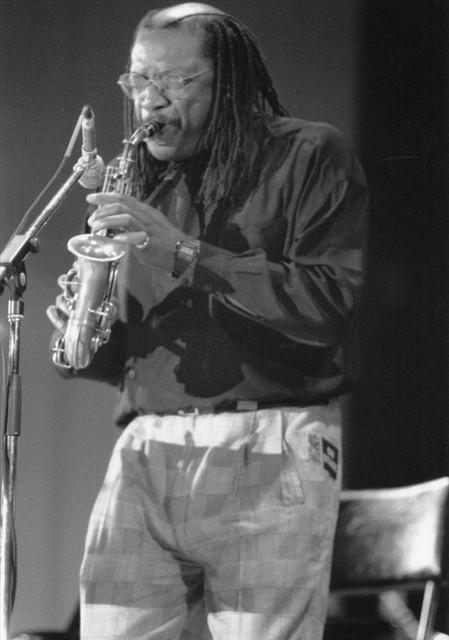
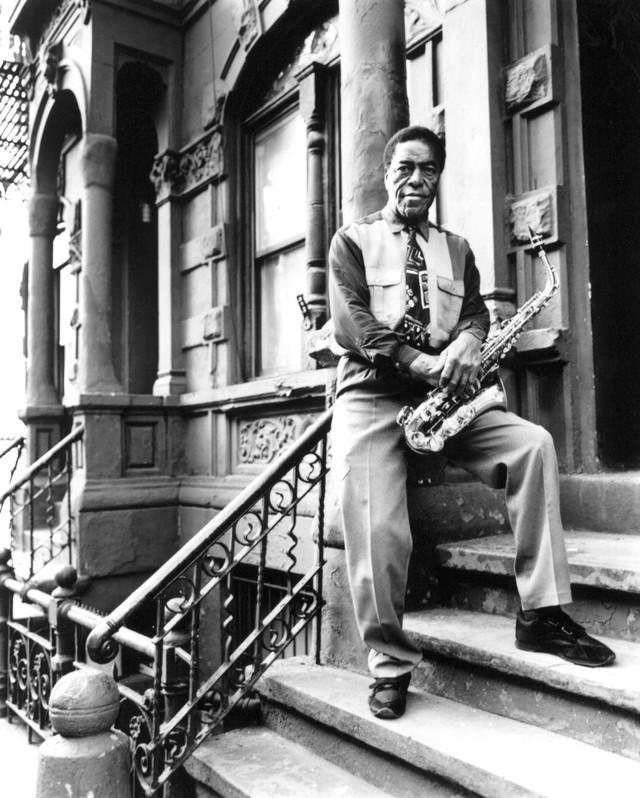
Reggie Workman’s Spotify BioReggie Workman has long been one of the most technically gifted of all bassists, a brilliant player whose versatile style fits into both hard bop and very avant-garde settings. He played piano, tuba, and euphonium early on but settled on bass in the mid-'50s. After working regularly with Gigi Gryce (1958), Red Garland, and Roy Haynes, he was a member of the John Coltrane Quartet for much of 1961, participating in several important recordings and even appearing with Coltrane and Eric Dolphy on a half-hour West German television show that is currently available on video (The Coltrane Legacy). After Jimmy Garrison took his place with Coltrane, Workman became a member of Art Blakey's Jazz Messengers (1962-1964) and was in the groups of Yusef Lateef (1964-65), Herbie Mann, and Thelonious Monk (1967). He recorded frequently in the 1960s (including many Blue Note dates and Archie Shepp's classic Four for Trane).
Since that time, Workman has been both an educator (serving on the faculty of… music schools including the University of Michigan) and a working musician, and has played with numerous legendary jazz musicians including Max Roach, Art Farmer, Mal Waldron, David Murray, Sam Rivers, and Andrew Hill (Rivers and Hill joined Workman for the 1993 session, Summit Conference). In the 1980s, Workman began leading his own group, the Reggie Workman Ensemble. He also began a collaboration with pianist Marilyn Crispell that lasted into the next decade (the two acclaimed musicians reunited for a festival performance in 2000). During the '90s, Workman was not only active with his own ensemble, but also in Trio Three, with Andrew Cyrille and Oliver Lake, and Reggie Workman's Grooveship and Extravaganza.
In recognition of Reggie Workman's international performances and recordings spanning over 40 years, he was named a Living Legend by the African-American Historical and Cultural Museum in his hometown of Philadelphia; he is also a recipient of the Eubie Blake Award. ~ Scott Yanow & Joslyn Layne, Rovi
Viberate is a music analytics platform built for A&Rs, artist managers, labels, booking agents, marketers, and artists.
It helps music professionals track artist growth, analyze audience data, monitor playlist activity, compare artists, follow song performance, and identify opportunities across the music market.
Public artist pages provide a free preview of selected artist data. Paid plans provide access to deeper analytics, historical data, charts, comparisons, playlist tools, exports, alerts, reports, and additional professional features.
Yes. Public Viberate artist pages provide selected artist analytics and music data for free.
Viberate also offers a 7-day free trial of the full platform. A credit card is required to start the trial. The trial includes access to the complete product so users can test deeper artist analytics, historical views, playlist insights, comparisons, charts, exports, alerts, and reporting features before choosing a paid plan.
Viberate provides artist analytics across streaming, playlists, social media, video, radio airplay, songs, and audience markets.
Users can analyze Spotify performance, Spotify and Apple Music playlists, YouTube activity, TikTok and Instagram growth, radio spins, song performance, audience locations, demographics, rankings, and overall artist momentum.
Artist profiles also connect to music charts, similar artists, and comparison tools, helping users benchmark performance and evaluate artists in context.
Viberate updates key artist and track data daily.
For followed artists and tracks, selected data is refreshed multiple times per day. This helps teams monitor playlist changes, streaming movement, audience growth, releases, and campaign performance with more current data.
Update frequency can vary depending on the metric and data source.
Yes. Viberate lets users compare up to five artists side by side across streaming, social media, audience, and engagement metrics.
Users can compare fanbase growth, audience demographics, locations, Spotify performance, social metrics, and other artist data over selected time periods.
Artist comparison can be used for A&R scouting, benchmarking, booking decisions, campaign planning, and evaluating artists with similar audiences or market positions.