Edward Vesala

Jazz
Avant-garde Jazz
Free Jazz
 Viberate Rank: 553195
 Viberate Rank: 553195
 Monthly ListenersFollowers
 Subscribers
 Followers
 Followers
 FansTop Spotify Songs
| Track | 7-Day Streams | |
|---|---|---|
1 | 204 | |
2 | 174 | |
3 | 109 | |
4 | 92 | |
5 | 84 |
Top YouTube VideosMonthly ListenersFeatured in Playlists| Playlist | Followers | |
|---|---|---|
1 |  Saxophone Classics Spotify | 142.16K |
2 |  Deep Spiritual Jazz Neil Lampert | 7.30K |
3 |  ECM Records: 1001 - 1999 Ulysses' Classical | 6.46K |
4 |  Jazz Essentials Julian Lage | 3.72K |
5 |  ECM in the 70s ECM Records | 3.46K |
Audience| City | Monthly Listeners | |
|---|---|---|
1 |  | 100 |
2 | | 34 |
3 |  | 34 |
4 | | 28 |
5 |  | 28 |
See full performance history, audience data, playlist activity, rankings, comparisons, and more in Viberate music analytics. Start with a free trial, then continue with a paid plan.
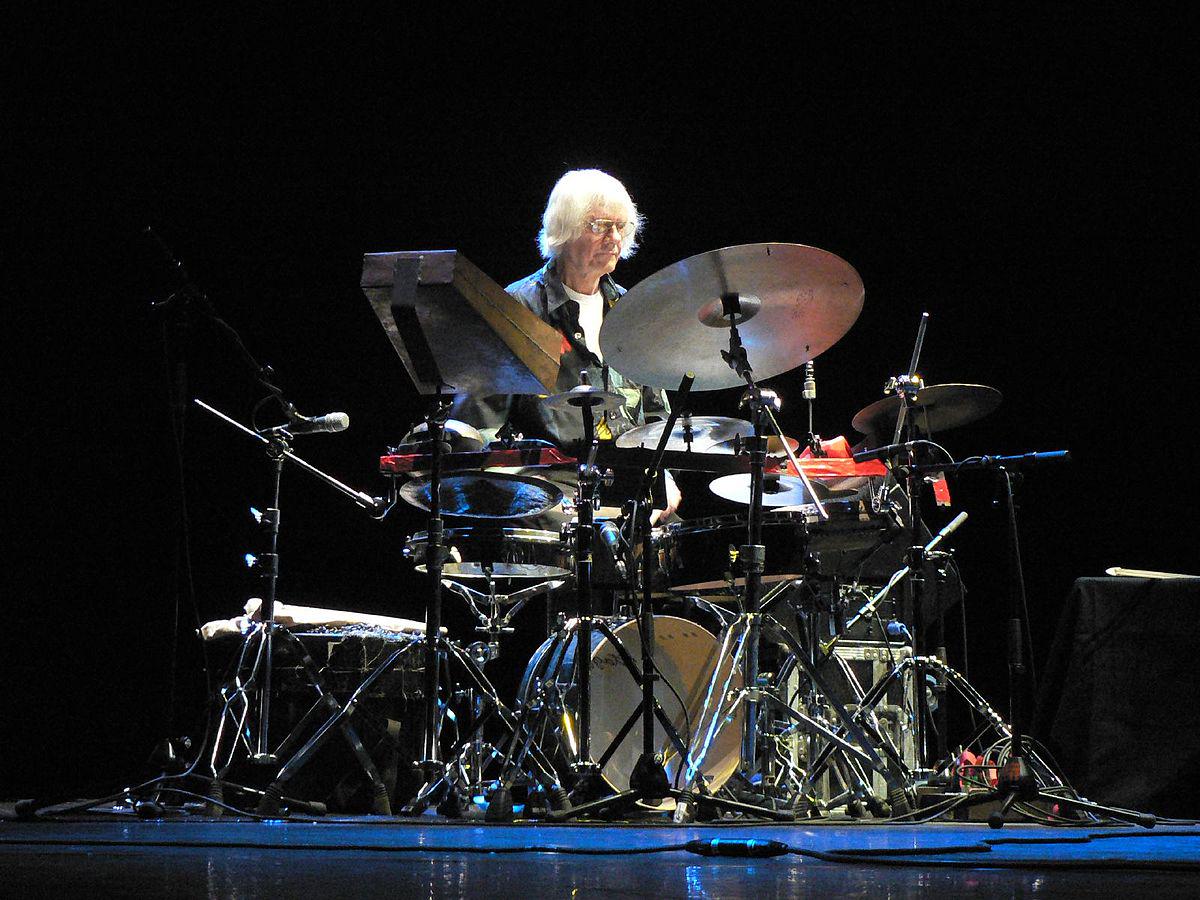
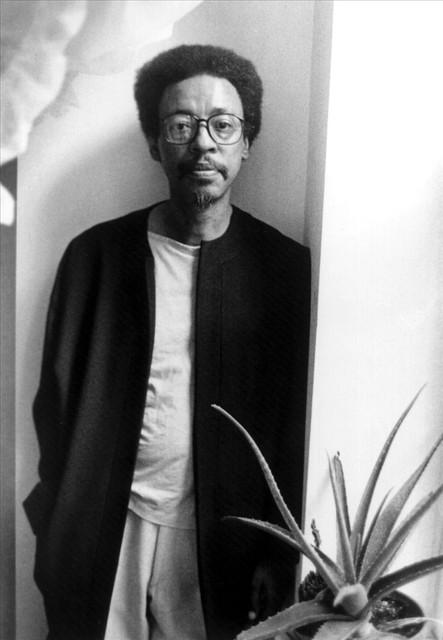
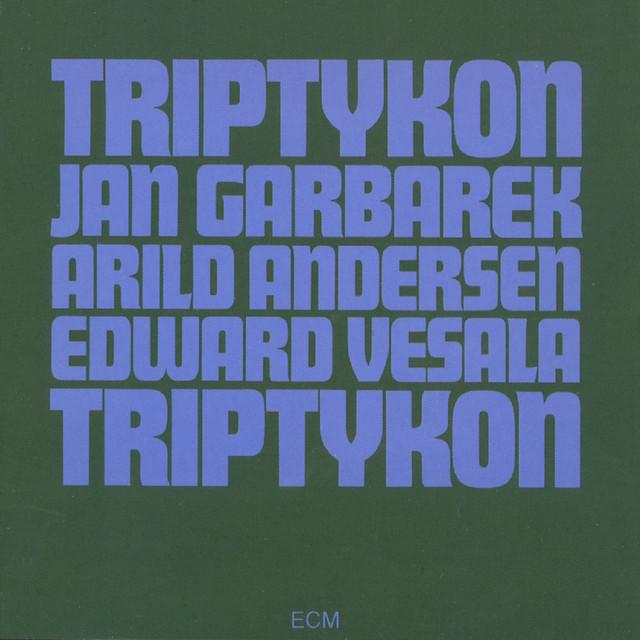
Edward Vesala’s Spotify BioBorn Martii Juhani Vesala, the percussionist changed his name early in his musical career. Vesala studied music theory and orchestral percussion at the Sibelius Academy in Helsinki from 1965-1967. He played with such musicians as Eero Koivistionen and Seppo Paakkunainen during the mid- to late '60s. In 1972 he recorded Triptykon for ECM with saxophonist Jan Garbarek and bassist Arild Andersen. It would be the first of many albums Vesala would make for the German label. His long association with ECM would help establish Vesala's reputation as a world-class free jazz percussionist. During the '70s Vesala played with such free jazz and experimentally inclined musicians as Peter Brötzmann, Charlie Mariano, and Terje Rypdal. Early-'70s collaborations with such Finnish musicians as Koivistionen, Juhani Aaltonen, and Pekka Sarmanto had a strong impact on the Finnish free jazz scene. Vesala's quartet with Polish trumpeter Tomasz Stanko recorded several times from 1974-1978, including most… notably Nan Madol, his first album as a leader for ECM. In 1978, Vesala formed his own record label, Leo (not to be confused with the British label of the same name headed by Leo Feigin), which released albums by European free jazz musicians (including Stanko) and Americans like Frank Foster and Charlie Mariano. In 1980 Vesala and Stanko recorded Heavylife, which featured the American musicians Reggie Workman on bass, J.D. Parran on saxophone, and Bob Stewart on tuba. In the early '80s Vesala conducted music workshops called Sound & Fury. In 1984 he chose the best of his students and formed a group of the same name. Sound & Fury would record four albums for ECM. Vesala's 1990 album, Ode to the Death of Jazz, was a statement in opposition to the conservative forces that had come to dominate the music. He continued to perform with Sound & Fury during the '90s. He also composed for the Helsinki Philharmonic and other large ensembles. Vesala was probably the most famous of all Finnish jazz musicians. Yet by the end of his life, his music defied all categorization, fusing various ethnic idioms, classical elements, rock, microtonality, and Finnish folk music. Vesala died of heart failure in his home outside Helsinki in 1999. ~ Chris Kelsey, Rovi
Viberate is a music analytics platform built for A&Rs, artist managers, labels, booking agents, marketers, and artists.
It helps music professionals track artist growth, analyze audience data, monitor playlist activity, compare artists, follow song performance, and identify opportunities across the music market.
Public artist pages provide a free preview of selected artist data. Paid plans provide access to deeper analytics, historical data, charts, comparisons, playlist tools, exports, alerts, reports, and additional professional features.
Yes. Public Viberate artist pages provide selected artist analytics and music data for free.
Viberate also offers a 7-day free trial of the full platform. A credit card is required to start the trial. The trial includes access to the complete product so users can test deeper artist analytics, historical views, playlist insights, comparisons, charts, exports, alerts, and reporting features before choosing a paid plan.
Viberate provides artist analytics across streaming, playlists, social media, video, radio airplay, songs, and audience markets.
Users can analyze Spotify performance, Spotify and Apple Music playlists, YouTube activity, TikTok and Instagram growth, radio spins, song performance, audience locations, demographics, rankings, and overall artist momentum.
Artist profiles also connect to music charts, similar artists, and comparison tools, helping users benchmark performance and evaluate artists in context.
Viberate updates key artist and track data daily.
For followed artists and tracks, selected data is refreshed multiple times per day. This helps teams monitor playlist changes, streaming movement, audience growth, releases, and campaign performance with more current data.
Update frequency can vary depending on the metric and data source.
Yes. Viberate lets users compare up to five artists side by side across streaming, social media, audience, and engagement metrics.
Users can compare fanbase growth, audience demographics, locations, Spotify performance, social metrics, and other artist data over selected time periods.
Artist comparison can be used for A&R scouting, benchmarking, booking decisions, campaign planning, and evaluating artists with similar audiences or market positions.