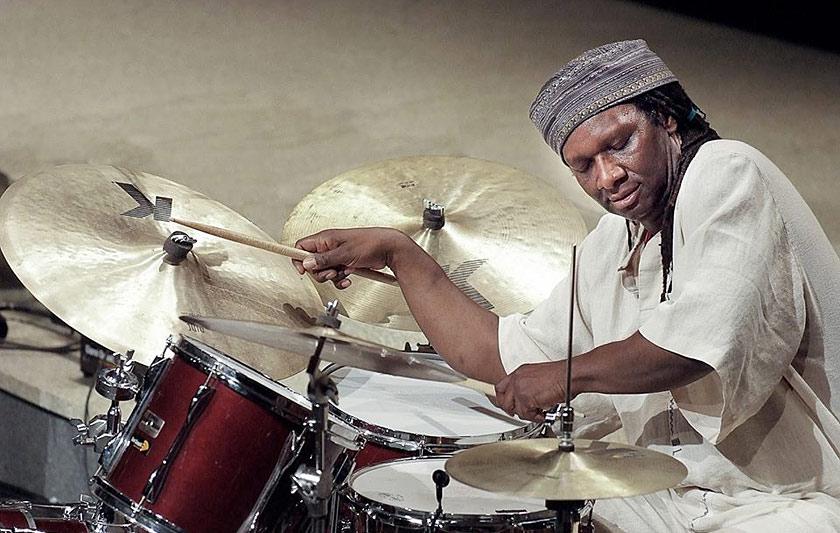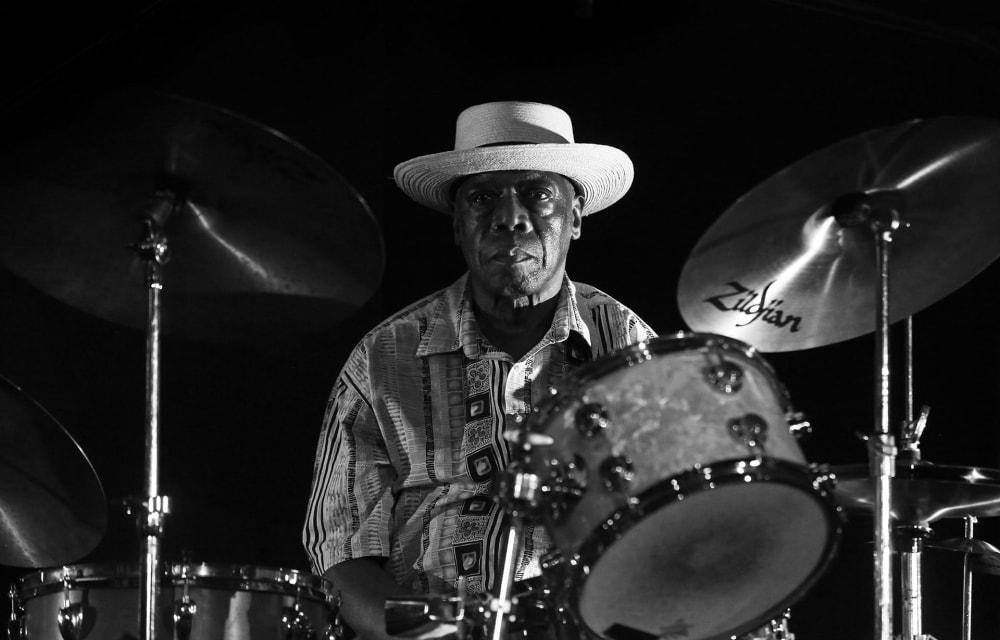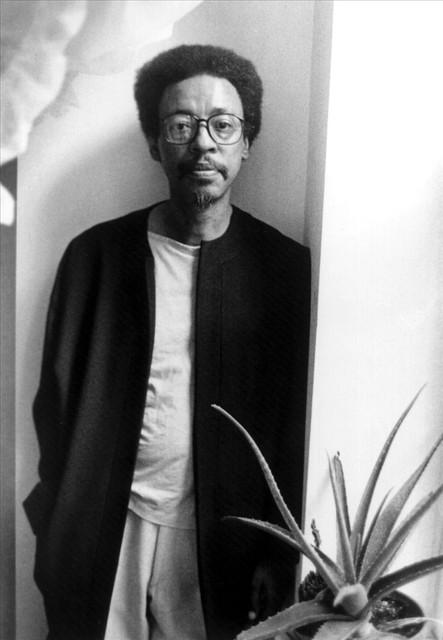
Henry Threadgill

Jazz
Avant-garde Jazz
Free Jazz
 Viberate Rank: 248594
 Viberate Rank: 248594
 Monthly ListenersFollowers
 Subscribers
 Followers
 Followers
 FansTop Spotify Songs
| Track | 7-Day Streams | |
|---|---|---|
1 | 360 | |
2 | 318 | |
3 | 278 | |
4 | 217 | |
5 | 207 |
Top YouTube VideosMonthly ListenersFeatured in Playlists| Playlist | Followers | |
|---|---|---|
1 |  Avant-Jazz Spotify | 70.76K |
2 | 100% Big Thief | 19.55K |
3 | Best Latin Jazz Jef Bruggeman | 16.91K |
4 |  The Sound of Free Jazz The Sounds of Spotify | 10.46K |
5 |  j*zz for crazy people Sam Revaz | 9.10K |
Audience| City | Monthly Listeners | |
|---|---|---|
1 | | 120 |
2 | | 117 |
3 |  | 58 |
4 | | 50 |
5 | | 42 |
See full performance history, audience data, playlist activity, rankings, comparisons, and more in Viberate music analytics. Start with a free trial, then continue with a paid plan.
Henry Threadgill’s Spotify BioSaxophonist and flutist Henry Threadgill is, alongside fellow Chicagoans Muhal Richard Abrams, Roscoe Mitchell, and Anthony Braxton, one of the most original jazz composers to emerge from the 20th century. Threadgill's art transcends stylistic boundaries; he embraces music wholesale from ragtime, circus marches, classical, bop, free jazz, reggae, funk, and more. He spent the '70s in the groundbreaking experimental jazz trio Air with Fred Hopkins and Steve McCall, issuing six albums. Between 1982 and 1989, the Henry Threadgill Sextet issued a half-dozen more including You Know the Number. After 1993's Too Much Sugar for a Dime, he founded Make a Move and Very Very Circus. Both appeared on 1995's Makin' a Move. With Everybody's Mouth's a Book in 2001 for Pi Recordings, he created the ongoing Zooid band and released Up Popped the Two Lips. 2015's In for a Penny, In for a Pound won a Pulitzer Prize. The octet Ensemble Double Up debuted with Old Locks and Irregular Verbs in 2016. In 2018,… Threadgill issued Double Up, Plays Double Up Plus, followed by Zooid's Poof in 2021. In May 2023, Penguin published his autobiography, Easily Slip Into Another World, while Pi Recordings released The Other One, the live musical component of a large multimedia work performed and recorded by a 12-piece ensemble in Brooklyn in 2022.
Threadgill took up music as a child, first playing percussion in marching bands, then learning baritone sax and clarinet. He was involved with the AACM (Association for the Advancement of Creative Musicians) from its beginnings in the early '60s, collaborating with fellow members Joseph Jarman and Roscoe Mitchell and playing in Muhal Richard Abrams' legendary Experimental Band. From 1965 to 1967, he toured with the gospel singer Jo Jo Morris. He then served in the military for a time, performing with an army rock band. After his discharge he returned to Chicago, where he played in a blues band and resumed his association with Abrams and the AACM. He went on to earn his bachelor's degree in music at the American Conservatory of Music; he also studied at Governor's State University.
In 1971 he formed Reflection with drummer Steve McCall and bassist Fred Hopkins. The trio would re-form four years later as Air and would go on to record frequently to great acclaim. Their 1979 album Air Lore featured contemporary takes on such early jazz tunes as "King Porter Stomp" and "Buddy Bolden's Blues," prefiguring the wave of nostalgia that would dominate jazz in the following decade. Threadgill moved to New York in the mid-'70s, where he began forming and composing for a number of ensembles. He began showing a love for unusual instrumentation; for instance, his Sextett (actually a septet) used a cellist, and his Very Very Circus included two tubas. In the mid-'90s he landed a (short-lived) recording contract with Columbia, which produced a couple of excellent albums. Throughout the '80s and '90s, Threadgill's music became increasingly polished and sophisticated.
A restless soul, he never stood still, creating for a variety of top-notch ensembles, every one of them different. A pair of 2001 releases for Pi Recordings illustrated this particularly well. On Up Popped the Two Lips, his Zooid ensemble combined Threadgill's alto and flute with acoustic guitar, oud, tuba, cello, and drums -- an un-jazz-like instrumentation that nevertheless grooved and swung with great agility. Everybody's Mouth's a Book featured his Make a Move band, which consisted of the leader's horns with vibes and marimba, electric and acoustic guitars, electric bass, and drums -- a more traditional setup in a way, but no less original in concept. In 2004, a live Zooid date entitled Pop Start the Tape, Stop was issued in a limited edition by Hardedge, and Threadgill played on Billy Bang's seminal Vietnam: Reflections.
Threadgill performed and rehearsed with both Zooid and Make a Move, but he didn't record again with either until late in 2008. Zooid cut sessions in November of that year, resulting in a pair of albums, This Brings Us To, Vol. 1 issued in 2009, followed by Vol. 2 in 2010. The collector's label Mosaic honored Threadgill by compiling his Complete Novus & Columbia Recordings in a deluxe, limited-run box set. Make a Move hit the studio again in late 2011. The sessions yielded the album Tomorrow Sunny/The Revelry, Spp in June of 2013. In December, Threadgill, bassist John Lindberg, and drummer Jack DeJohnette played in Wadada Leo Smith's quartet for The Great Lakes Suites sessions, released by TUM nearly two years later.
In May 2014, Zooid reconvened in a Brooklyn studio for two days. In August of that year, Threadgill played in DeJohnette's great AACM reunion quintet at the Chicago Jazz Festival, along with Roscoe Mitchell, Muhal Richard Abrams, and Larry Gray. The resulting album, Made in Chicago, was released by ECM in January 2015. In the spring, the previous year's Zooid sessions saw light as the double-disc In for a Penny, In for a Pound. The recording drew universal acclaim and topped the year-end jazz lists internationally. It also netted Threadgill the Pulitzer Prize for Music. The award was presented in April 2016, the same month that Ensemble Double Up (his new octet that included pianists David Virelles and Jason Moran) debuted with Old Locks and Irregular Verbs. In May, he received a Doris Duke Artist Award. In 2018, Threadgill returned with Double Up, Plays Double Up Plus on Pi.
He recorded with Zooid for 2021's Poof. In addition to his own alto sax and flute playing, the quintet included guitarist Liberty Ellman, tubist and trombonist Jose Davila, cellist Christopher Hoffman, and drummer Elliot Humberto Kavee. In 2023, Threadgill saw his memoir, Easily Slip Into Another World, published by Penguin, and Pi's release of The Other One. The album, part of a massive multimedia work, was recorded live in Brooklyn in 2022 by a 12-peice ensemble composed of horns, reeds, winds, and strings. They performed "Of Valence," a three-movement composition inspired by percussionist Milford Graves' integration of the human heartbeat into his musical works. ~ Chris Kelsey & Thom Jurek, Rovi
Viberate is a music analytics platform built for A&Rs, artist managers, labels, booking agents, marketers, and artists.
It helps music professionals track artist growth, analyze audience data, monitor playlist activity, compare artists, follow song performance, and identify opportunities across the music market.
Public artist pages provide a free preview of selected artist data. Paid plans provide access to deeper analytics, historical data, charts, comparisons, playlist tools, exports, alerts, reports, and additional professional features.
Yes. Public Viberate artist pages provide selected artist analytics and music data for free.
Viberate also offers a 7-day free trial of the full platform. A credit card is required to start the trial. The trial includes access to the complete product so users can test deeper artist analytics, historical views, playlist insights, comparisons, charts, exports, alerts, and reporting features before choosing a paid plan.
Viberate provides artist analytics across streaming, playlists, social media, video, radio airplay, songs, and audience markets.
Users can analyze Spotify performance, Spotify and Apple Music playlists, YouTube activity, TikTok and Instagram growth, radio spins, song performance, audience locations, demographics, rankings, and overall artist momentum.
Artist profiles also connect to music charts, similar artists, and comparison tools, helping users benchmark performance and evaluate artists in context.
Viberate updates key artist and track data daily.
For followed artists and tracks, selected data is refreshed multiple times per day. This helps teams monitor playlist changes, streaming movement, audience growth, releases, and campaign performance with more current data.
Update frequency can vary depending on the metric and data source.
Yes. Viberate lets users compare up to five artists side by side across streaming, social media, audience, and engagement metrics.
Users can compare fanbase growth, audience demographics, locations, Spotify performance, social metrics, and other artist data over selected time periods.
Artist comparison can be used for A&R scouting, benchmarking, booking decisions, campaign planning, and evaluating artists with similar audiences or market positions.