The Agony Scene

Metal
Metalcore/Deathcore
Death Metal
 Viberate Rank: 143647
 Viberate Rank: 143647
 Monthly ListenersFollowers
 Subscribers
 Followers
 Followers
 FansTop Spotify Songs
| Track | 7-Day Streams | |
|---|---|---|
1 | 6.25K | |
2 | 3.41K | |
3 | 2.57K | |
4 | 1.80K | |
5 | 1.54K |
Top YouTube VideosMonthly ListenersFeatured in Playlists| Playlist | Followers | |
|---|---|---|
1 | Death Metal Dylan Bellusci | 67.90K |
2 |  METAL WORKOUT MUSIC Thomas Skotheim | 36.76K |
3 | Screamo/Post-Hardcore/Metalcore/Emocore Billy Storm | 31.92K |
4 | Metal Covers of non-metal songs Jorge García | 30.13K |
5 |  Anger Therapy johnwillbraddock | 16.89K |
Audience| City | Monthly Listeners | |
|---|---|---|
1 | | 467 |
2 | | 451 |
3 |  | 383 |
4 | | 355 |
5 | | 346 |
See full performance history, audience data, playlist activity, rankings, comparisons, and more in Viberate music analytics. Start with a free trial, then continue with a paid plan.
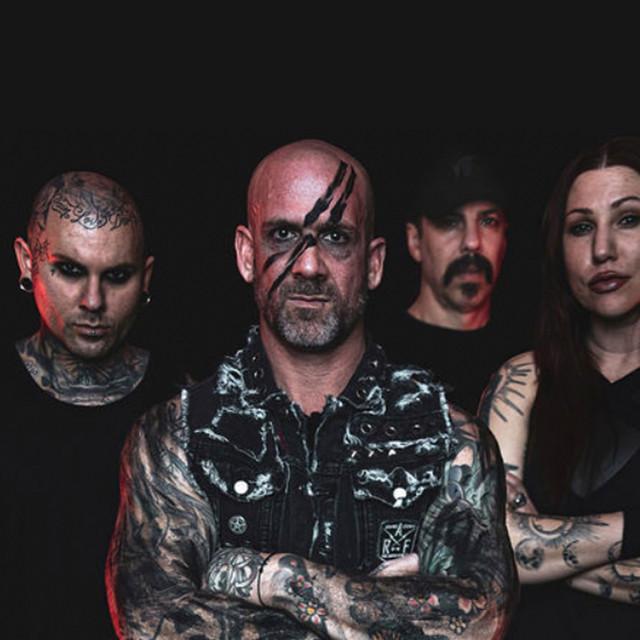
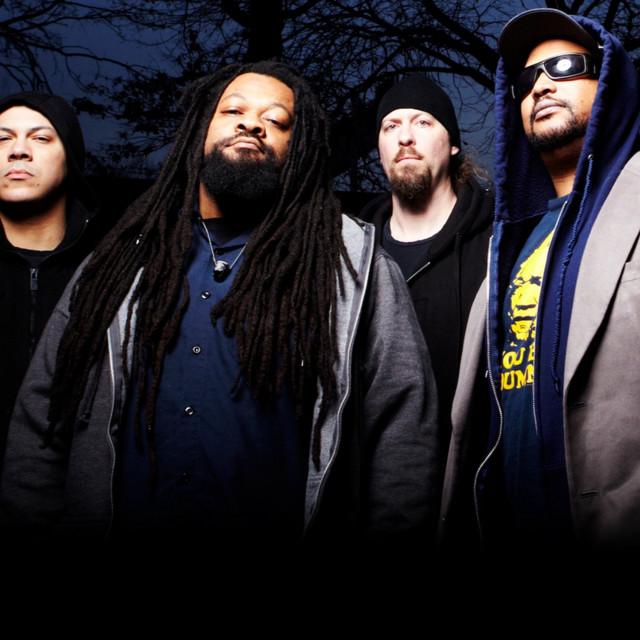
The Agony Scene’s Spotify BioTormentor is The Agony Scene’s first album since 2007’s Get Damned (Century Media), which was preceded by 2005’s The Darkest Red (Roadrunner) and 2003’s self-titled release (Solid State).
“There is an underlying theme to much of the record, and that is the idea of an insane, manipulative creator, a Tormentor of all mankind, if you will. The lyrics also touch on the idea that an unquestioning belief in such a creator and an infallible doctrine can lead to a more chaotic and dark world in many cases,” guitarist Chris Emmons told Revolver.
“The Agony Scene, was the gateway band in the era of aggressive dark metalcore, paving the way for a new generation of metal fans (including myself),” said Outerloop president Shan Dan Horan. “It’s impossible for me to have a conversation with a metal artist without them mentioning The Agony Scene as an influence. That being said, I’m extremely excited to be a part of their most aggressive album to date.”
Viberate is a music analytics platform built for A&Rs, artist managers, labels, booking agents, marketers, and artists.
It helps music professionals track artist growth, analyze audience data, monitor playlist activity, compare artists, follow song performance, and identify opportunities across the music market.
Public artist pages provide a free preview of selected artist data. Paid plans provide access to deeper analytics, historical data, charts, comparisons, playlist tools, exports, alerts, reports, and additional professional features.
Yes. Public Viberate artist pages provide selected artist analytics and music data for free.
Viberate also offers a 7-day free trial of the full platform. A credit card is required to start the trial. The trial includes access to the complete product so users can test deeper artist analytics, historical views, playlist insights, comparisons, charts, exports, alerts, and reporting features before choosing a paid plan.
Viberate provides artist analytics across streaming, playlists, social media, video, radio airplay, songs, and audience markets.
Users can analyze Spotify performance, Spotify and Apple Music playlists, YouTube activity, TikTok and Instagram growth, radio spins, song performance, audience locations, demographics, rankings, and overall artist momentum.
Artist profiles also connect to music charts, similar artists, and comparison tools, helping users benchmark performance and evaluate artists in context.
Viberate updates key artist and track data daily.
For followed artists and tracks, selected data is refreshed multiple times per day. This helps teams monitor playlist changes, streaming movement, audience growth, releases, and campaign performance with more current data.
Update frequency can vary depending on the metric and data source.
Yes. Viberate lets users compare up to five artists side by side across streaming, social media, audience, and engagement metrics.
Users can compare fanbase growth, audience demographics, locations, Spotify performance, social metrics, and other artist data over selected time periods.
Artist comparison can be used for A&R scouting, benchmarking, booking decisions, campaign planning, and evaluating artists with similar audiences or market positions.