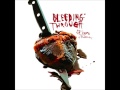
Bleeding Through

Metal
Metalcore/Deathcore
 Viberate Rank: 62828
 Viberate Rank: 62828
 Monthly ListenersFollowers
 Subscribers
 Followers
 Followers
 FansTop Spotify Songs
| Track | 7-Day Streams | |
|---|---|---|
1 | 13.73K | |
2 | 8.15K | |
3 | 4.71K | |
4 | 3.67K | |
5 | 2.37K |
Top YouTube VideosMonthly ListenersFeatured in Playlists| Playlist | Followers | |
|---|---|---|
1 |  Metalcore Classics Spotify | 582.15K |
2 |  Metalcore Is Not Dead SHARPTONE Records | 40.11K |
3 | Screamo/Post-Hardcore/Metalcore/Emocore Billy Storm | 31.91K |
4 |  Heavy Lifting Sumerian Records | 28.92K |
5 | Metal Immersion Matt | 23.30K |
Audience| City | Monthly Listeners | |
|---|---|---|
1 | | 1.34K |
2 | | 1.15K |
3 | | 903 |
4 | | 863 |
5 |  | 852 |
See full performance history, audience data, playlist activity, rankings, comparisons, and more in Viberate music analytics. Start with a free trial, then continue with a paid plan.
Bleeding Through’s Spotify BioRailing against its origins in sunny, affluent Orange County, California, Bleeding Through specialize in unapologetically dark and fierce metalcore, with elements of melodic death and black metal tossed in for good measure. Since debuting in 2002 with the ferocious Portrait of the Goddess, the band have expanded their traditional hardcore sound into something versatile and malevolent via more death metal-forward outings like 2004's This Is Love, This Is Murderous and 2006's The Truth. The band ceased operations in 2014 with a farewell show in Anaheim, but surprised fans in 2018 with a brand-new album, Love Will Kill All. The group's ninth long-player, Nine, appeared in 2025.
The band formed in the year 1999, featuring vocalist Brandan Schieppati, guitarists Brian Leppke and Scott Danough, bassist Ryan Wombacher, drummer Derek Youngsma, and keyboardist Marta Peterson. Unlike other Orange County bands, Bleeding Through didn't play pop, ska, hardcore, or even punk, but rather crushing… aggro-deathcore popular among many post-millennial American post-screamo bands. Bleeding Through have ties to other area bands Eighteen Visions and Throwdown, as some members (past and present, like Schieppati and Marc Jackson) have logged time between acts. After debuting with 2002's Portrait of the Goddess, Schieppati chose to focus completely on Bleeding Through and the group signed with New Jersey-based Trustkill Records, unleashing two well-regarded albums in 2004's This Is Love, This Is Murderous and 2006's The Truth.
As Bleeding Through worked on material for their next album, the first member change in three years occurred in spring 2007 when Danough was replaced by ex-I Killed the Prom Queen guitarist Jona Weinhofen. Released in 2008, Declaration, a concept album about the trials and tribulations of life on the road, ignited a public feud with Trustkill over unpaid royalties, lack of funding, and release schedules, culminating in a move in 2010 to Oregon-based Rise Records for the band's eponymous sixth album and 2012 follow-up, The Great Fire. In 2013 the bandmembers announced that their upcoming tour would be their last, with the group's final show occurring at Chain Reaction in Anaheim on August 3, 2014.
Much to their fans' surprise, Bleeding Through reported in March 2018 that they had inked a deal with SharpTone, and would be releasing a new album. The resulting Love Will Kill All arrived later that May, reaching no. 22 on the Billboard Top Hard Rock Albums chart. Bleeding Through kept the momentum going with a spate of concerts, including a sold-out reunion show in Santa Ana and festival appearances both at home and abroad. When COVID-19 hit, they took refuge in the studio, carving out the songs that would populate their 2022 EP Rage. The following year, the band embarked on a tour celebrating the 20th anniversary of This Is Love, This Is Murderous. Personnel changes, including the departure of longtime bassist Ryan Wombacher, preceded the release of the group's ninth full-length effort, 2025's aptly named Nine. Bolstered by the dark and cinematic singles "Our Brand Is Chaos" and "Dead But So Alive," the LP includes collaborations with Doc Coyle (God Forbid) and Brian Fair (Shadows Fall). ~ Eduardo Rivadavia, Rovi
Viberate is a music analytics platform built for A&Rs, artist managers, labels, booking agents, marketers, and artists.
It helps music professionals track artist growth, analyze audience data, monitor playlist activity, compare artists, follow song performance, and identify opportunities across the music market.
Public artist pages provide a free preview of selected artist data. Paid plans provide access to deeper analytics, historical data, charts, comparisons, playlist tools, exports, alerts, reports, and additional professional features.
Yes. Public Viberate artist pages provide selected artist analytics and music data for free.
Viberate also offers a 7-day free trial of the full platform. A credit card is required to start the trial. The trial includes access to the complete product so users can test deeper artist analytics, historical views, playlist insights, comparisons, charts, exports, alerts, and reporting features before choosing a paid plan.
Viberate provides artist analytics across streaming, playlists, social media, video, radio airplay, songs, and audience markets.
Users can analyze Spotify performance, Spotify and Apple Music playlists, YouTube activity, TikTok and Instagram growth, radio spins, song performance, audience locations, demographics, rankings, and overall artist momentum.
Artist profiles also connect to music charts, similar artists, and comparison tools, helping users benchmark performance and evaluate artists in context.
Viberate updates key artist and track data daily.
For followed artists and tracks, selected data is refreshed multiple times per day. This helps teams monitor playlist changes, streaming movement, audience growth, releases, and campaign performance with more current data.
Update frequency can vary depending on the metric and data source.
Yes. Viberate lets users compare up to five artists side by side across streaming, social media, audience, and engagement metrics.
Users can compare fanbase growth, audience demographics, locations, Spotify performance, social metrics, and other artist data over selected time periods.
Artist comparison can be used for A&R scouting, benchmarking, booking decisions, campaign planning, and evaluating artists with similar audiences or market positions.