Bleed The Sky

Metal
Metalcore/Deathcore
Groove Metal
 Viberate Rank: 166138
 Viberate Rank: 166138
 Monthly ListenersFollowers
 Subscribers
 Followers
 Followers
 FansTop Spotify Songs
| Track | 7-Day Streams | |
|---|---|---|
1 | 1.43K | |
2 | 691 | |
3 | 684 | |
4 | 609 | |
5 | 407 |
Top YouTube VideosMonthly ListenersFeatured in Playlists| Playlist | Followers | |
|---|---|---|
1 |  🤘🏼🎸🎶 megan elizabeth | 11.84K |
2 |  Aggretsuko Metal Soundtrack The Joshing One | 7.03K |
3 | Metal Playlist Ardi Jusufi | 5.03K |
4 |  The Sound of Groove Metal The Sounds of Spotify | 4.09K |
5 |  dvpamine v. | 3.95K |
Audience| City | Monthly Listeners | |
|---|---|---|
1 |  | 91 |
2 | | 83 |
3 | | 73 |
4 | | 70 |
5 | | 69 |
See full performance history, audience data, playlist activity, rankings, comparisons, and more in Viberate music analytics. Start with a free trial, then continue with a paid plan.
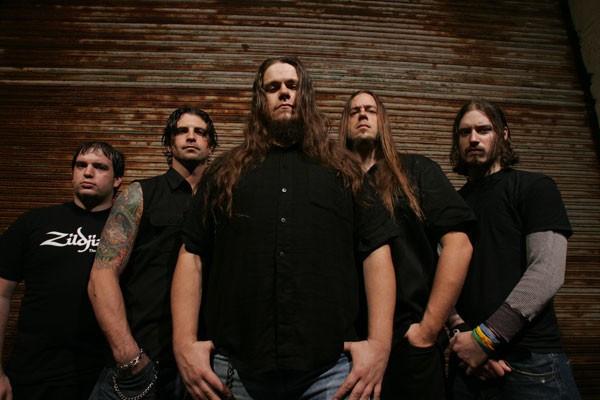
Bleed The Sky’s Spotify BioOrange County, CA's Bleed the Sky was formed in January 2003 by vocalist Noah Robinson, guitarists Kyle Moorman and Wayne Miller, bassist Casey Kulek, DJ Puck, and drummer Austin D'Amond, the guys playing their first show, an opening spot for Opeth, merely two months later. They put out their first EP early the following year, selling over 1,000 copies themselves before signing a deal with Nuclear Blast in the fall of 2004. Their April 2005 debut for Nuclear Blast, Paradigm in Entropy, featured a futuristic, industrial, and melody-infused take on nu-metal's dissonant riffs and rap-like vocals. The album brought about comparisions to Chimaira, and shows with bands like American Head Charge and Diecast supported the record on the road. Kulek left the band a few months before the album's release, replaced by Daylen Elsey on bass. Then during the Louisville stop of a summer 2006 tour with Dope, Miller was rushed to the hospital following the band's set, diagnosed with severe pneumonia and… an unknown viral infection. Near death at one point, he thankfully recovered, but the illness ultimately left nerve damage in his left hand that require months of rehab. Guitarist Rob Thornton was brought on board in early 2007 as his replacement (Miller would stay involved on the business end of things), which was a few months after his former bandmate (from San Antonio's Brotherhood) David Culbert was tapped to replace Moorman on guitar, as he'd exited Bleed the Sky in early fall to pursue other musical avenues. ~ Eduardo Rivadavia, Rovi
Viberate is a music analytics platform built for A&Rs, artist managers, labels, booking agents, marketers, and artists.
It helps music professionals track artist growth, analyze audience data, monitor playlist activity, compare artists, follow song performance, and identify opportunities across the music market.
Public artist pages provide a free preview of selected artist data. Paid plans provide access to deeper analytics, historical data, charts, comparisons, playlist tools, exports, alerts, reports, and additional professional features.
Yes. Public Viberate artist pages provide selected artist analytics and music data for free.
Viberate also offers a 7-day free trial of the full platform. A credit card is required to start the trial. The trial includes access to the complete product so users can test deeper artist analytics, historical views, playlist insights, comparisons, charts, exports, alerts, and reporting features before choosing a paid plan.
Viberate provides artist analytics across streaming, playlists, social media, video, radio airplay, songs, and audience markets.
Users can analyze Spotify performance, Spotify and Apple Music playlists, YouTube activity, TikTok and Instagram growth, radio spins, song performance, audience locations, demographics, rankings, and overall artist momentum.
Artist profiles also connect to music charts, similar artists, and comparison tools, helping users benchmark performance and evaluate artists in context.
Viberate updates key artist and track data daily.
For followed artists and tracks, selected data is refreshed multiple times per day. This helps teams monitor playlist changes, streaming movement, audience growth, releases, and campaign performance with more current data.
Update frequency can vary depending on the metric and data source.
Yes. Viberate lets users compare up to five artists side by side across streaming, social media, audience, and engagement metrics.
Users can compare fanbase growth, audience demographics, locations, Spotify performance, social metrics, and other artist data over selected time periods.
Artist comparison can be used for A&R scouting, benchmarking, booking decisions, campaign planning, and evaluating artists with similar audiences or market positions.