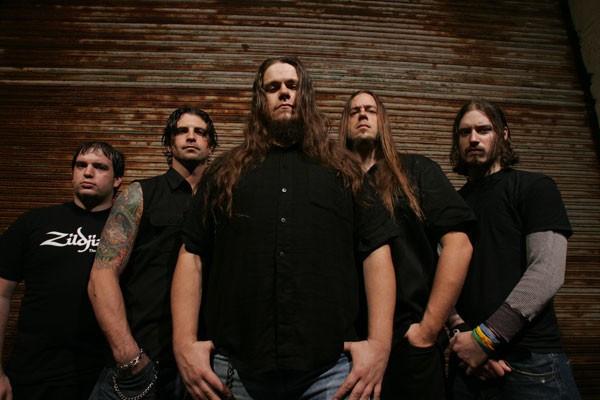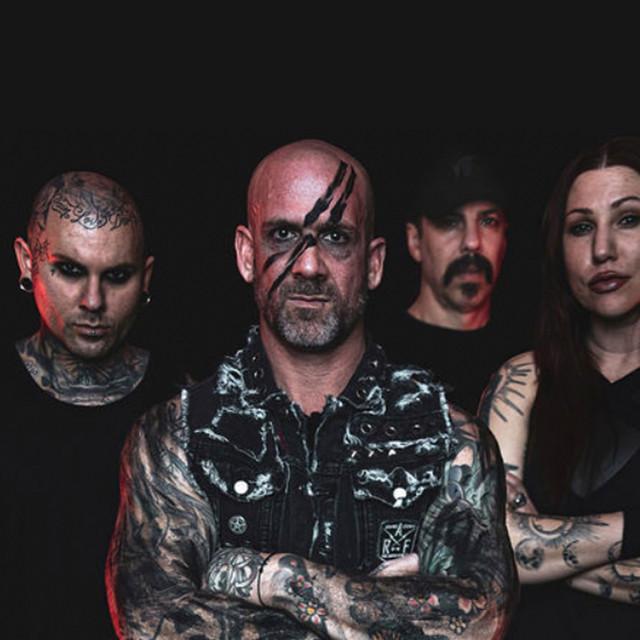
God Forbid

Metal
Thrash Metal
Metalcore/Deathcore
 Viberate Rank: 104150
 Viberate Rank: 104150
 Monthly ListenersFollowers
 Subscribers
 Followers
 Followers
 FansTop Spotify Songs
| Track | 7-Day Streams | |
|---|---|---|
1 | 5.30K | |
2 | 3.60K | |
3 | 2.67K | |
4 | 2.31K | |
5 | 1.99K |
Top YouTube VideosMonthly ListenersFeatured in Playlists| Playlist | Followers | |
|---|---|---|
1 | BEST GUITAR SOLOS OF ALL TIME t.riccardo | 95.19K |
2 | Screamo/Post-Hardcore/Metalcore/Emocore Billy Storm | 31.91K |
3 | Metal Mac Attack Metal Mac Attack | 18.59K |
4 |  2000s Metalcore ('00-'09) Loudwire | 16.24K |
5 |  black people created rock btw 𝖈ece ˖°🦇ִ ࣪ | 11.07K |
Audience| City | Monthly Listeners | |
|---|---|---|
1 | | 448 |
2 | | 365 |
3 | | 359 |
4 | | 356 |
5 | | 320 |
See full performance history, audience data, playlist activity, rankings, comparisons, and more in Viberate music analytics. Start with a free trial, then continue with a paid plan.
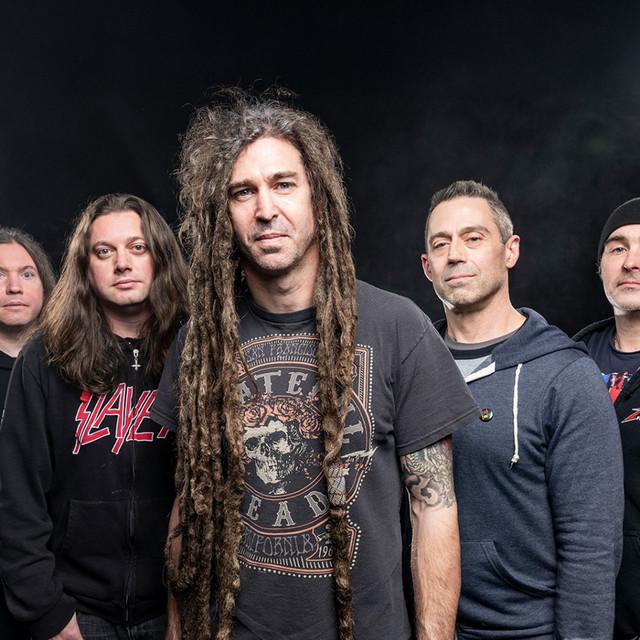
God Forbid’s Spotify BioGod Forbid forges the gritting, teeth-baring bile of American death metal together with the melodic overtones of the so-called "New Wave of Swedish Death Metal" promulgated by bands like In Flames, Arch Enemy, and the late, lamented, and legendary At the Gates. Equal parts Pantera, Hatebreed, and early Sepultura, the central New Jersey based band have carved out a name for themselves touring with the formidable likes of Cradle of Filth, Nile, and Candiria, and playing gigs with bands as diverse as Sevendust, Sick of it All, Soul Brains, and Shadows Fall. God Forbid's music cuts a clear, brutal path through metal's inter-genre barriers as swiftly as the band's diverse ethnic makeup cuts across color lines. The men of God Forbid -- hulking, imposing vocalist Byron Davis; bassist Beeker; drummer Corey Pierce; and the brotherly guitar team of Doc Coyle and his older sibling Dallas -- first emerged with the Out of Misery EP in 1998. Their debut full-length album, Reject the Sickness,… followed in 2000 through the small but fierce indie imprint 9 Volt Records. The album received a ton of spins on New Jersey/New York-area metal radio powerhouse WSOU, and eventually garnered the attention of the L.A. offices of Century Media Records, who quickly signed God Forbid to a worldwide deal. The result was 2001's Determination album, a sharp, crisp, and incredibly focused effort showcasing the band's songwriting talents and penchant for diverse musical interplay and technical wizardry. Subsequent touring with some of the biggest acts in metal and hardcore music followed, solidifying God Forbid's position as an up-and-coming contender for a highly regarded position amongst metal's most elite. Even Cradle of Filth vocalist Dani Filth was suitably impressed, reveling in the band's intensity and commenting on it nightly from the stage while touring across the States alongside them. That same year, the Reject the Sickness EP was reissued with extra tracks as the band embarked on tours with Opeth and crossed the pond for sold-out U.K. and European shows. ~ Ryan J. Downey, Rovi
Viberate is a music analytics platform built for A&Rs, artist managers, labels, booking agents, marketers, and artists.
It helps music professionals track artist growth, analyze audience data, monitor playlist activity, compare artists, follow song performance, and identify opportunities across the music market.
Public artist pages provide a free preview of selected artist data. Paid plans provide access to deeper analytics, historical data, charts, comparisons, playlist tools, exports, alerts, reports, and additional professional features.
Yes. Public Viberate artist pages provide selected artist analytics and music data for free.
Viberate also offers a 7-day free trial of the full platform. A credit card is required to start the trial. The trial includes access to the complete product so users can test deeper artist analytics, historical views, playlist insights, comparisons, charts, exports, alerts, and reporting features before choosing a paid plan.
Viberate provides artist analytics across streaming, playlists, social media, video, radio airplay, songs, and audience markets.
Users can analyze Spotify performance, Spotify and Apple Music playlists, YouTube activity, TikTok and Instagram growth, radio spins, song performance, audience locations, demographics, rankings, and overall artist momentum.
Artist profiles also connect to music charts, similar artists, and comparison tools, helping users benchmark performance and evaluate artists in context.
Viberate updates key artist and track data daily.
For followed artists and tracks, selected data is refreshed multiple times per day. This helps teams monitor playlist changes, streaming movement, audience growth, releases, and campaign performance with more current data.
Update frequency can vary depending on the metric and data source.
Yes. Viberate lets users compare up to five artists side by side across streaming, social media, audience, and engagement metrics.
Users can compare fanbase growth, audience demographics, locations, Spotify performance, social metrics, and other artist data over selected time periods.
Artist comparison can be used for A&R scouting, benchmarking, booking decisions, campaign planning, and evaluating artists with similar audiences or market positions.