Himsa

Metal
Death Metal
Metalcore/Deathcore
 Viberate Rank: 204625
 Viberate Rank: 204625
 Monthly ListenersFollowers
 Subscribers
 Followers
 Followers
 FansTop Spotify Songs
| Track | 7-Day Streams | |
|---|---|---|
1 | 1.26K | |
2 | 733 | |
3 | 586 | |
4 | 520 | |
5 | 334 |
Top YouTube VideosMonthly ListenersFeatured in Playlists| Playlist | Followers | |
|---|---|---|
1 |  Nik Nocturnal's 2000's Metalcore Playlist Nik Nocturnal | 6.89K |
2 | actual good metalcore grave | 5.61K |
3 |  Headbangers Ball, Vol. 2 iamandrewdoom | 5.57K |
4 | Metal Playlist Ardi Jusufi | 5.03K |
5 |  Willo's Heavy Metal & Rock Classics Willo Lugo | 4.75K |
Audience| City | Monthly Listeners | |
|---|---|---|
1 | | 158 |
2 | | 124 |
3 | | 116 |
4 | | 97 |
5 | | 91 |
See full performance history, audience data, playlist activity, rankings, comparisons, and more in Viberate music analytics. Start with a free trial, then continue with a paid plan.
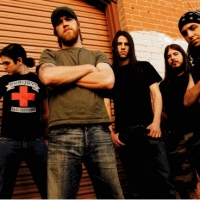
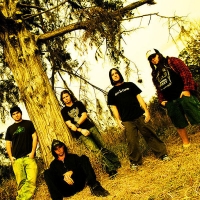
Himsa’s Spotify BioIn the '90s, Seattle was closely identified with grunge, but not every Seattle-based rock act that emerged in the '90s had a grunge or post-grunge outlook. Seattle's Himsa, for example, has never sounded anything like Nirvana, Pearl Jam, the Stone Temple Pilots, or the Foo Fighters. Formed in the late '90s, Himsa is a ferocious, punishing, harsh metalcore band. The name Himsa is a play on the Sanskrit word "ahimsa," which refers to peace and nonviolence. (Historians have often noted that civil rights activist Mahatma Gandhi, a Hindu, was a firm believer in ahimsa, as was Dr. Martin Luther King Jr., who considered Gandhi his hero and was influenced by Hinduism even though he was a Protestant minister -- and members of the Hare Krishna sect have often asserted that they promote vegetarianism because they believe that killing animals for food goes against the ahimsa principle.)
By dropping the "a" from ahimsa, Himsa is saying that their sound is the opposite of peaceful. The Pacific… Northwesterners aren't actually promoting or encouraging violence, but they are saying that they have a violent sound -- which is certainly true. Musically, Himsa's metalcore is unapologetically vicious. While metalcore is the band's orientation, Himsa draws on a variety of metal and punk influences and has incorporated elements of thrash metal, power metal, death metal/black metal, grindcore, and, of course, hardcore (metalcore is a style that takes hardcore to the extreme). The list of bands that Himsa's admirers have cited as influences is a long one; it's a list that ranges from Slayer, Obituary, Megadeth, and Sepultura to the Cro-Mags to power metal favorites Iron Maiden and Judas Priest. But while there are traces of Maiden and Priest in some of Himsa's guitar parts, those British bands are considerably more melodic and intricate -- and even though Slayer's brutal thrash/death metal assault is a strong influence on Himsa's playing, Slayer doesn't have the sort of growling, screaming, larynx-ripping, satanic-style vocals that one gets from Himsa.
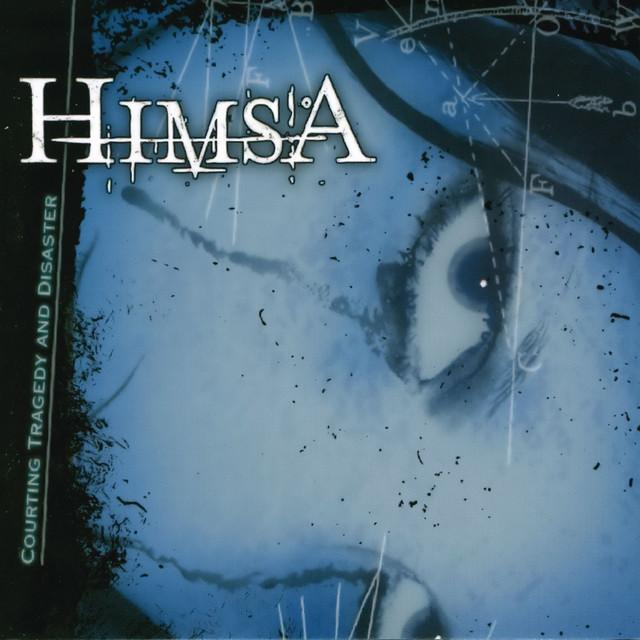
Himsa got started in 1998, when three members of the band Trial -- drummer Mike Green, bassist Derek Harn, and guitarist Brian Johnson -- decided to leave and form a new band with guitarist Aaron Edge. After writing and practicing some material, the four of them hired Himsa's original lead vocalist, Christian Schmitt (who had moved to Seattle from Philadelphia). In 1999, Himsa recorded their first full-length album, Ground Breaking Ceremony, which was released on the Revelation label. Then, in 2001, Himsa recorded an EP titled Death Is Infinite (also on Revelation). Along the way, the band has had quite a few lineup changes; by the time Himsa recorded Courting Tragedy and Disaster in 2003, Schmitt, Green, Edge, and Brian Johnson had all left the band -- and the lineup included only one original member: Derek Harn, who was joined by John Pettibone on lead vocals, Kirby Charles Johnson on guitar, Sammi Curr on guitar and keyboards, and Tim Mullen on drums. Brian Johnson went on to form the metalcore outfit Hell Promise, as Courting Tragedy and Disaster was released by Prosthetic Records, a small independent label based in Los Angeles. ~ Alex Henderson, Rovi
Viberate is a music analytics platform built for A&Rs, artist managers, labels, booking agents, marketers, and artists.
It helps music professionals track artist growth, analyze audience data, monitor playlist activity, compare artists, follow song performance, and identify opportunities across the music market.
Public artist pages provide a free preview of selected artist data. Paid plans provide access to deeper analytics, historical data, charts, comparisons, playlist tools, exports, alerts, reports, and additional professional features.
Yes. Public Viberate artist pages provide selected artist analytics and music data for free.
Viberate also offers a 7-day free trial of the full platform. A credit card is required to start the trial. The trial includes access to the complete product so users can test deeper artist analytics, historical views, playlist insights, comparisons, charts, exports, alerts, and reporting features before choosing a paid plan.
Viberate provides artist analytics across streaming, playlists, social media, video, radio airplay, songs, and audience markets.
Users can analyze Spotify performance, Spotify and Apple Music playlists, YouTube activity, TikTok and Instagram growth, radio spins, song performance, audience locations, demographics, rankings, and overall artist momentum.
Artist profiles also connect to music charts, similar artists, and comparison tools, helping users benchmark performance and evaluate artists in context.
Viberate updates key artist and track data daily.
For followed artists and tracks, selected data is refreshed multiple times per day. This helps teams monitor playlist changes, streaming movement, audience growth, releases, and campaign performance with more current data.
Update frequency can vary depending on the metric and data source.
Yes. Viberate lets users compare up to five artists side by side across streaming, social media, audience, and engagement metrics.
Users can compare fanbase growth, audience demographics, locations, Spotify performance, social metrics, and other artist data over selected time periods.
Artist comparison can be used for A&R scouting, benchmarking, booking decisions, campaign planning, and evaluating artists with similar audiences or market positions.