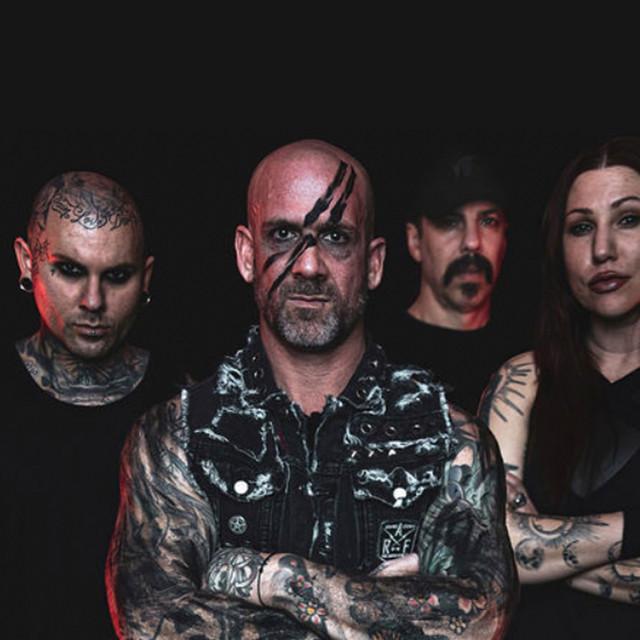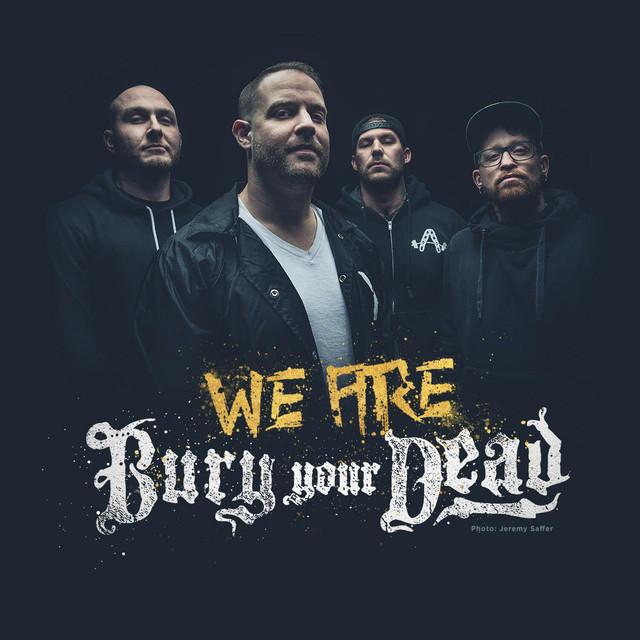
Bury Your Dead

Punk
Hardcore Punk
Metalcore/Deathcore
 Viberate Rank: 81077
 Viberate Rank: 81077
 Monthly ListenersFollowers
 Subscribers
 Followers
 Followers
 FansTop Spotify Songs
| Track | 7-Day Streams | |
|---|---|---|
1 | 9.17K | |
2 | 8.64K | |
3 | 4.67K | |
4 | 4.42K | |
5 | 4.25K |
Top YouTube Videos| Video | 7-Day Views | |
|---|---|---|
1 | 1.27K | |
2 | 1.23K | |
3 | 511 | |
4 | 498 | |
5 | 409 |
Monthly ListenersFeatured in Playlists| Playlist | Followers | |
|---|---|---|
1 |  Heavy METAL PESADO para entrenar⚡️treinar GYM 🔱 THEOCIDE STUDIOS 🔱 | 43.49K |
2 |  Hardcore Metal Workout Shanmuka Kämpf | 16.50K |
3 | Metal🤘🏻 Naydil González | 16.45K |
4 |  2000s Metalcore ('00-'09) Loudwire | 16.26K |
5 |  black people created rock btw 𝖈ece ˖°🦇ִ ࣪ | 11.07K |
Audience| City | Monthly Listeners | |
|---|---|---|
1 | | 1.41K |
2 | | 1.31K |
3 | | 1.16K |
4 | | 1.13K |
5 | | 1.05K |
See full performance history, audience data, playlist activity, rankings, comparisons, and more in Viberate music analytics. Start with a free trial, then continue with a paid plan.
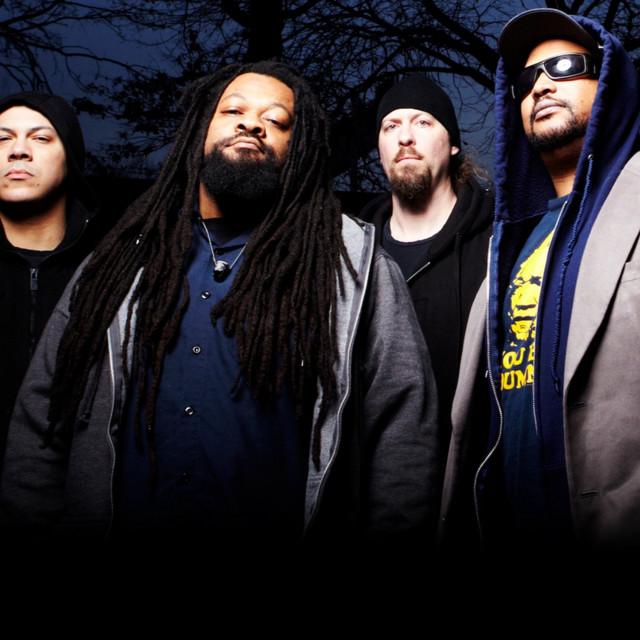
Bury Your Dead’s Spotify BioA long-running American metalcore outfit, Boston's Bury Your Dead emerged in 2003 with You Had Me at Hello, which introduced a brutalist take on the genre, pairing Gatling gun riffs, seismic rhythms, and punishing deathcore vocals. Myriad lineup changes aided in the evolution of the group's sound, with 2009's It's Nothing Personal adding big hooky choruses to the equation. The band returned to their hardcore roots on 2011's hard-hitting Mosh 'N Roll, before going on a long studio hiatus that ended with the release of the 5-track EP We Are Bury Your Dead in 2019.
Growing tired of their metalcore band, Hamartia, guitarist Slim (aka Brendan MacDonald) and drummer Mark Castillo began Bury Your Dead as a side project in late 2001. Drawing influence from Sevendust and Crowbar, the band was used as a vehicle for the pair to focus more on mosh-worthy hardcore rather than the technical nature of Hamartia. Recruiting bassist Rich Casey (ex-Groundzero) and vocalist Joe Krewko, the Massachusetts… group -- priding itself on blending ferocity with fun -- soon became a full-time gig as the guys began playing around New England. The brutal intensity and destructive energy of Bury Your Dead's live show started gaining them attention in various East Coast hardcore scenes, eventually coming to the attention of Alveran/Eulogy Recordings. Their debut, You Had Me at Hello, was issued in March 2003 on Germany-based Alveran, but the band imploded about a month prior to the album's release. It was still issued, though the guys went their separate ways: Castillo went to play with North Carolina's Between the Buried and Me; Casey turned to screen-printing, and Slim played with Blood Has Been Shed.
A few months later, however, Casey randomly got in touch with Slim to see about getting the band back together. Though they were the only two to initially sign back on, some touring members got together and the band started playing again. Down in Florida at the Gainesville Fest, the guys ran into Castillo (who was on tour with BTBAM) and asked him to rejoin, which he did. The rest of Bury Your Dead was eventually rounded out by vocalist Mat Bruso and second guitarist Eric Ellis (ex-Reflux). Re-formed and re-energized, the quintet toured briefly, including stints at 2002's Hellfest and Metalfest. Following an especially intense Hellfest set, Chicago hardcore powerhouse Victory Records approached them; the label formally announced the band joining their roster in April 2004.
Bury Your Dead entered the studio that June with Matthew Ellard (Converge, BTBAM) to begin recording their label debut. The resulting Cover Your Tracks, whose song titles all weirdly boasted the names of Tom Cruise movies, surfaced in October. Eulogy reissued the band's debut in May 2005, making it widely available in the U.S. for the first time. The CD/DVD Alive followed in July, while the band spent the summer on the second stage at Ozzfest. Aaron Patrick (aka Bubble) replaced Casey on bass. Produced by Jason Suecof (Trivium, God Forbid), Bury Your Dead's most focused effort to date -- entitled Beauty and the Breakdown (all song titles this time were fairy tale allusions) -- appeared in July 2006. Around the same time, the quintet could be found on artist Derek Hess' nationwide Strhess Tour, alongside acts like Shadows Fall, Poison the Well, and Throwdown. Bruso left the band in the early days of 2007, forcing Bury Your Dead to drop off a European tour with Killswitch Engage to search for his replacement, eventually found in ex-I Killed the Prom Queen vocalist Michael Crafter. It was back to the drawing board a few months later, however, when Crafter made his exit to return to his native Australia. After Cassius lead vocalist Myke Terry was brought in as a replacement, Bury Your Dead released a self-titled album in March 2008, followed by the decidedly more melody-driven It's Nothing Personal in 2009. Terry and Castillo both left the band (though the latter had recorded his drum parts for the forthcoming album Mosh 'N Roll), and the group signed to Mediaskare Records. Bruso returned as vocalist, and Castillo was replaced by drummer Dustin Schoenhofer, formerly of Walls of Jericho. Mosh 'N Roll, which marked a return to the pugilist hardcore of the band's early days, appeared in the summer of 2011. In early 2019, after a long hiatus that saw multiple lineup shifts, the band announced that they had inked a deal with Stay Sick Recordings. Their first outing for the label, a five-track EP titled We Are Bury Your Dead, arrived later that year. ~ Corey Apar, Rovi
Viberate is a music analytics platform built for A&Rs, artist managers, labels, booking agents, marketers, and artists.
It helps music professionals track artist growth, analyze audience data, monitor playlist activity, compare artists, follow song performance, and identify opportunities across the music market.
Public artist pages provide a free preview of selected artist data. Paid plans provide access to deeper analytics, historical data, charts, comparisons, playlist tools, exports, alerts, reports, and additional professional features.
Yes. Public Viberate artist pages provide selected artist analytics and music data for free.
Viberate also offers a 7-day free trial of the full platform. A credit card is required to start the trial. The trial includes access to the complete product so users can test deeper artist analytics, historical views, playlist insights, comparisons, charts, exports, alerts, and reporting features before choosing a paid plan.
Viberate provides artist analytics across streaming, playlists, social media, video, radio airplay, songs, and audience markets.
Users can analyze Spotify performance, Spotify and Apple Music playlists, YouTube activity, TikTok and Instagram growth, radio spins, song performance, audience locations, demographics, rankings, and overall artist momentum.
Artist profiles also connect to music charts, similar artists, and comparison tools, helping users benchmark performance and evaluate artists in context.
Viberate updates key artist and track data daily.
For followed artists and tracks, selected data is refreshed multiple times per day. This helps teams monitor playlist changes, streaming movement, audience growth, releases, and campaign performance with more current data.
Update frequency can vary depending on the metric and data source.
Yes. Viberate lets users compare up to five artists side by side across streaming, social media, audience, and engagement metrics.
Users can compare fanbase growth, audience demographics, locations, Spotify performance, social metrics, and other artist data over selected time periods.
Artist comparison can be used for A&R scouting, benchmarking, booking decisions, campaign planning, and evaluating artists with similar audiences or market positions.