Slave

R&B
Contemporary R&B
Disco
Funk
 Viberate Rank: 49956
 Viberate Rank: 49956
 Monthly ListenersFollowers
 Subscribers
 Followers
 Followers
 FansTop Spotify Songs
| Track | 7-Day Streams | |
|---|---|---|
1 | 33.29K | |
2 | 32.60K | |
3 | 22.72K | |
4 | 6.82K | |
5 | 6.78K |
Top YouTube VideosMonthly ListenersFeatured in Playlists| Playlist | Followers | |
|---|---|---|
1 |  Funk Outta Here Spotify | 1.30M |
2 |  I Love My 80s Funk Spotify | 316.54K |
3 |  real good shit Tom Misch | 165.62K |
4 |  I Love My 70s Funk Spotify | 103.56K |
5 |  Soul Train 70s Disco and Funk djlarras | 69.74K |
Audience| City | Monthly Listeners | |
|---|---|---|
1 | | 7.11K |
2 | | 3.92K |
3 | | 3.71K |
4 |  | 3.70K |
5 | | 3.46K |
See full performance history, audience data, playlist activity, rankings, comparisons, and more in Viberate music analytics. Start with a free trial, then continue with a paid plan.
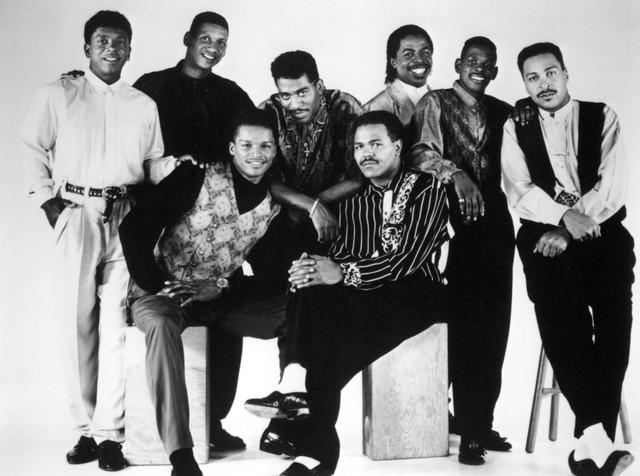
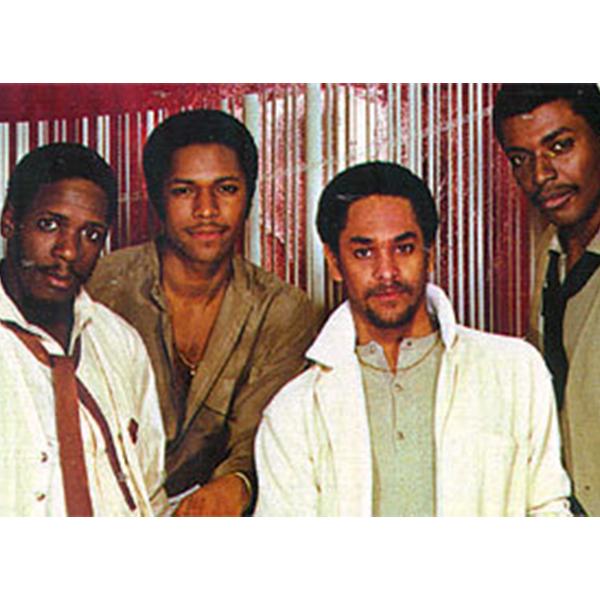
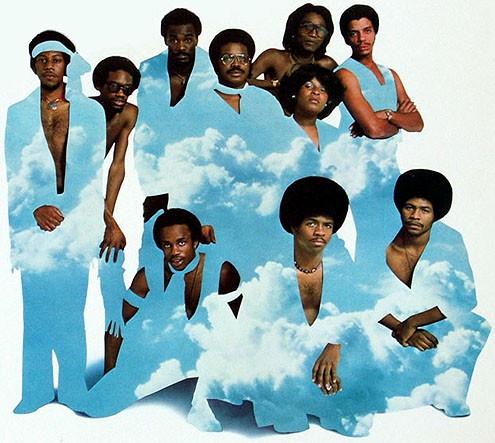
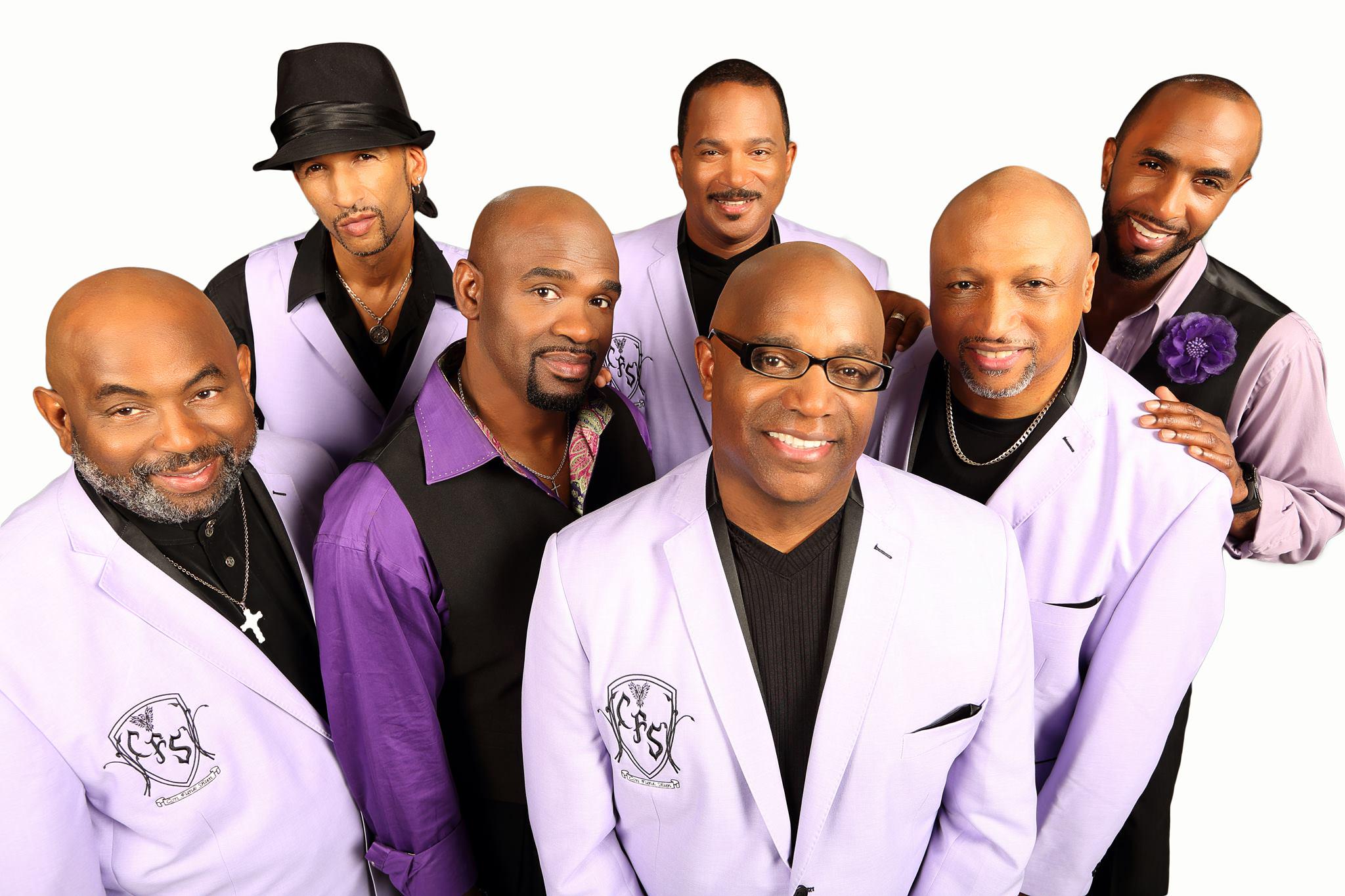
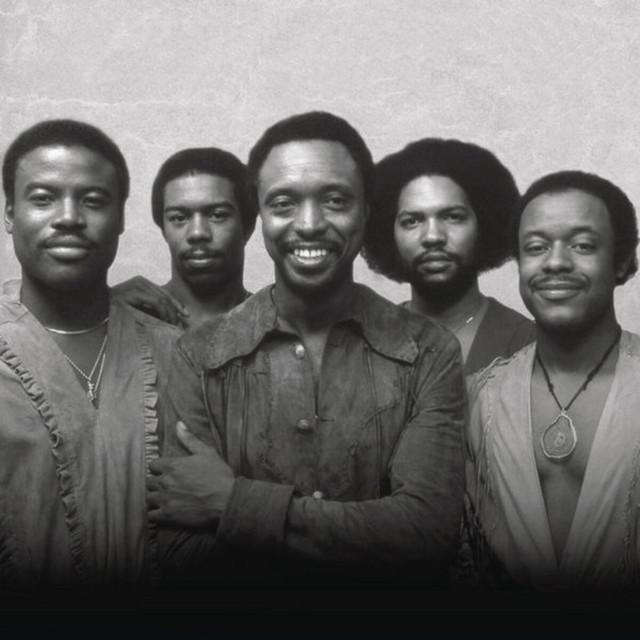
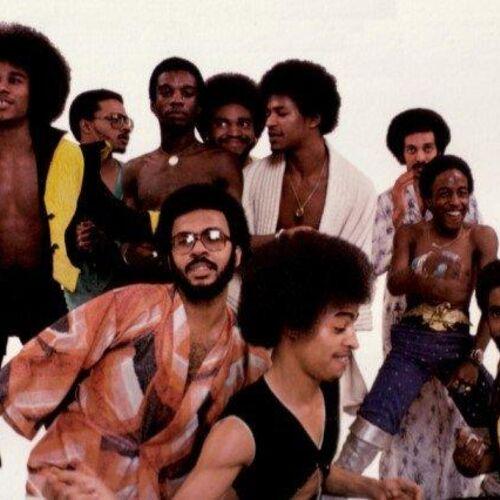
Slave’s Spotify BioSlave were proof positive that a band could be both raw and slick and exemplify funk regardless of the approach. Along with predecessors Ohio Players and contemporaries such as Lakeside and Zapp, the group built the reputation of their hometown Dayton, Ohio, as fertile ground for funk. As unique as any of their neighbors, Slave were distinguished foremost by the slithering and melodic basslines of Mark Adams, a key ingredient from the opening of the band's hit debut single, "Slide," an R&B chart-topper and Top 40 crossover smash that sent the parent LP Slave (1977) to gold certification. Another crucial component was the spirited and energizing force of drummer-turned-frontman Steve Arrington, voice of the similarly everlasting Top Ten R&B hits "Just a Touch of Love," "Watching You," and "Snap Shot." Slave began to splinter around the time they released their second gold album, Stone Jam (1980), first with Aurra, established by founding member and trumpeter Steve Washington, and… continuing with Steve Arrington's Hall of Fame. Slave nonetheless continued with founding members such as Adams, Mark Hicks, and Danny Webster holding them together through their final studio efforts in the mid-'90s. By the time Slave were through, the band had amassed ten charting studio albums and twice the number of charting singles.
Formed in 1975, Slave were an outgrowth of Dayton acts Black Satin Soul and the Mystics. Unlike most groups, Slave's catalysts were brass players, namely trumpeter/leader Steve Washington and trombonist Floyd Miller. The two brought in saxophonists Tom Lockett, Jr. and Orion "Bimmy" Wilhoite, bassist Mark "Mr. Mark" Adams, drummer Tim "Tiny" Dozier, keyboardist Carter "C.B." Bradley, and guitarists Mark "Drac" Hicks and Danny Webster. Miller, Webster, and Dozier originally split lead vocals. Washington was the lone member not originally from Ohio. He had moved from his native East Orange, New Jersey, to the Buckeye State to complete high school while living with his uncle, Ralph "Pee Wee" Middlebrooks of Ohio Players. Taking their name from a word emblazoned on a shirt Miller wore to a band practice, Slave worked on writing and performing original material, and at a studio in New Jersey recorded a demo. Jeff Dixon, a programmer at a radio station in Newark, enjoyed the result enough to book more studio time for the band and took on roles as producer and manager. The group cut enough additional tunes to have an album's worth of songs to shop to labels.
Atlantic subsidiary Cotillion won out, signed Slave in January 1977, and had the label's in-house recording engineer Jimmy Douglass remix their songs (some of which had been re-recorded). That April, Slave entered Billboard's R&B LPs chart, and it eventually peaked at number six (number 22 pop), propelled by "Slide," a number one hit on the R&B chart that crossed into the pop chart and topped out at number 32. Slave was certified gold in mid-June, by which point the musicians -- joined by additional keyboardist Ray Turner -- were already working on a follow-up with the intent of reaching an even broader audience. Out by the end of the year, Hardness of the World generated charting singles with "The Party Song" and "Baby Sister" -- the former a number 22 R&B hit -- and peaked on the R&B album chart at number 31.
The most consequential of the band's almost innumerable lineup changes took place over the course of their third and fourth full-lengths. First, Steve Arrington, a Dayton-raised percussionist who had been performing with the Escovedo family (Coke, Pete, and Sheila), was installed as drummer, replacing Tim Dozier, and quickly became one of Slave's songwriters and a primary vocalist as well. The Concept, the first album of the Arrington era, put Slave back near the Top Ten of the R&B chart in 1978 with help from "Stellar Fungk," a layered, driving cut that became a number 14 R&B hit. More personnel moves occurred afterward. Orion Wilhoite and Carter Bradley exited, and saxophonist Charles Carter, guitarist/vocalist Curt Jones, and vocalist Starleana Young entered the picture. Next album Just a Touch of Love, released in 1979, was driven by the number nine R&B hit title song, a freewheeling introduction to Young as a second vocalist and addition to the songwriting team. Stone Jam and Show Time, issued respectively in 1980 and 1981, added two more Top Ten R&B singles with "Watching You" and "Snap Shot," and also went Top Ten on the R&B chart. Stone Jam brought the band their second gold album certification.
During this period, Steve Washington produced a one-off Arrington solo single for the Salsoul label ("Summertime Lovin'") and established the group Aurra as a showcase for the departing Jones and Young, who were also joined from the start by Carter and Tom Lockett, Jr. Before the making of Show Time, Washington and Lockett also left Slave to concentrate full-time on Aurra, leaving Arrington -- who declined an invitation to join the new act -- to lead Slave. The new members on Show Time were Sam Carter (keyboards, percussion, vocals), Kevin Johnson (guitar), Delbert Taylor (flügelhorn), and Roger Parker (drums, enabling Arrington to truly front the band).
Arrington left Slave in 1982, the year he played drums on Odyssey's Jimmy Douglass-produced "Inside Out" (a single reminiscent of Slave's "Watching You") and more significantly launched Steve Arrington's Hall of Fame with Charles and Sam Carter and Roger Parker among the players. Slave continued that year with original member Danny Webster as main vocalist, and with the addition of drummer Ronny Cochran and keyboardist Marvin Wheatley made the self-produced Visions of the Lite. Created without the involvement of both Arrington and Douglass (who had also co-written some of the band's best-known material), Visions of the Lite contained a pair of charting singles and "I'll Be Gone," one of their more beloved deep cuts. Douglass returned to assist in the making of Slave's last two recordings for Cotillion, 1983's Bad Enuff and 1984's New Plateau, albums that placed another handful of singles on the R&B chart. Most popular was the number 22 hit "Shake It Up."
Slave then signed with Ichiban, and from the mid-'80s through their mid-'90s breakup released six relatively low-profile albums with their second label. As always, their lineup fluctuated from session to session. Unchained at Last and Make Believe, issued respectively in 1985 and 1987, were their last LPs to chart. These sets were followed by Slave 88 (1988), Rebirth (1990), The Funk Strikes Back (1992), and Masters of the Fungk (1995), some of which overlapped in material and contained updated versions of their hits. Mark Adams and Mark Hicks died separately in 2011. Following them were Orion Wilhoite and Danny Webster, who each died in 2020. ~ Andy Kellman, Rovi
Viberate is a music analytics platform built for A&Rs, artist managers, labels, booking agents, marketers, and artists.
It helps music professionals track artist growth, analyze audience data, monitor playlist activity, compare artists, follow song performance, and identify opportunities across the music market.
Public artist pages provide a free preview of selected artist data. Paid plans provide access to deeper analytics, historical data, charts, comparisons, playlist tools, exports, alerts, reports, and additional professional features.
Yes. Public Viberate artist pages provide selected artist analytics and music data for free.
Viberate also offers a 7-day free trial of the full platform. A credit card is required to start the trial. The trial includes access to the complete product so users can test deeper artist analytics, historical views, playlist insights, comparisons, charts, exports, alerts, and reporting features before choosing a paid plan.
Viberate provides artist analytics across streaming, playlists, social media, video, radio airplay, songs, and audience markets.
Users can analyze Spotify performance, Spotify and Apple Music playlists, YouTube activity, TikTok and Instagram growth, radio spins, song performance, audience locations, demographics, rankings, and overall artist momentum.
Artist profiles also connect to music charts, similar artists, and comparison tools, helping users benchmark performance and evaluate artists in context.
Viberate updates key artist and track data daily.
For followed artists and tracks, selected data is refreshed multiple times per day. This helps teams monitor playlist changes, streaming movement, audience growth, releases, and campaign performance with more current data.
Update frequency can vary depending on the metric and data source.
Yes. Viberate lets users compare up to five artists side by side across streaming, social media, audience, and engagement metrics.
Users can compare fanbase growth, audience demographics, locations, Spotify performance, social metrics, and other artist data over selected time periods.
Artist comparison can be used for A&R scouting, benchmarking, booking decisions, campaign planning, and evaluating artists with similar audiences or market positions.