Brick

R&B
Funk
Soul
Contemporary R&B
 Viberate Rank: 52316
 Viberate Rank: 52316
 Monthly ListenersFollowers
 Subscribers
 Followers
 Followers
 FansTop Spotify Songs
| Track | 7-Day Streams | |
|---|---|---|
1 | 37.92K | |
2 | 22.77K | |
3 | 22.20K | |
4 | 5.70K | |
5 | 1.75K |
Top YouTube Videos| Video | 7-Day Views | |
|---|---|---|
1 | 6.56K | |
2 | 3.66K | |
3 | 2.46K | |
4 | 2.29K | |
5 | 1.35K |
Monthly ListenersFeatured in Playlists| Playlist | Followers | |
|---|---|---|
1 |  real good shit Tom Misch | 165.62K |
2 |  Funky Soul (Old Skool) Greg.atini | 117.63K |
3 |  I Love My 70s Funk Spotify | 103.56K |
4 | Māori Shed Party 🤙🏽 Tyra Dunn | 98.83K |
5 |  10 Things I Hate About You (Original Motion Picture Soundtrack) MovieSoundtracks1 | 83.19K |
Audience| City | Monthly Listeners | |
|---|---|---|
1 | | 6.13K |
2 | | 2.89K |
3 | | 2.79K |
4 | | 2.63K |
5 | | 2.62K |
See full performance history, audience data, playlist activity, rankings, comparisons, and more in Viberate music analytics. Start with a free trial, then continue with a paid plan.
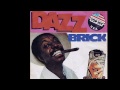
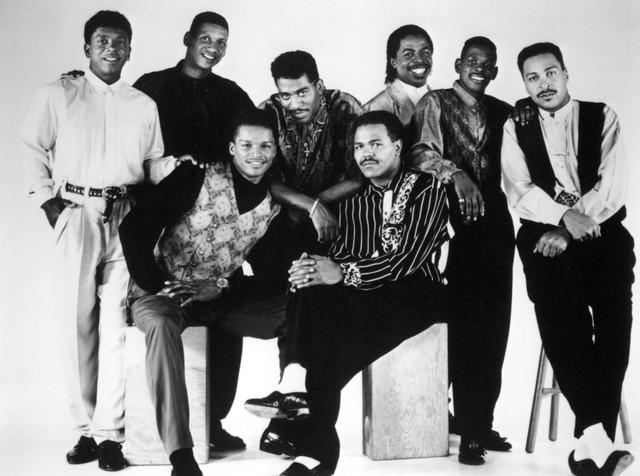
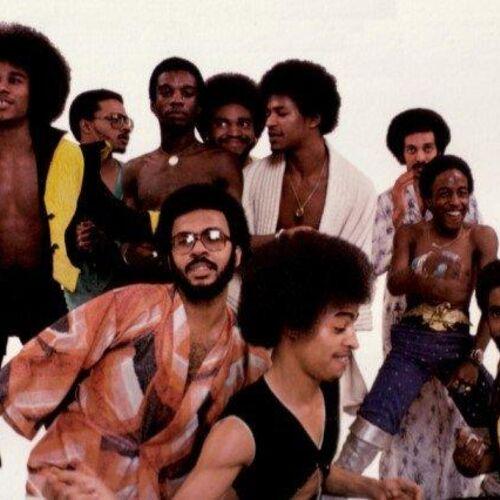
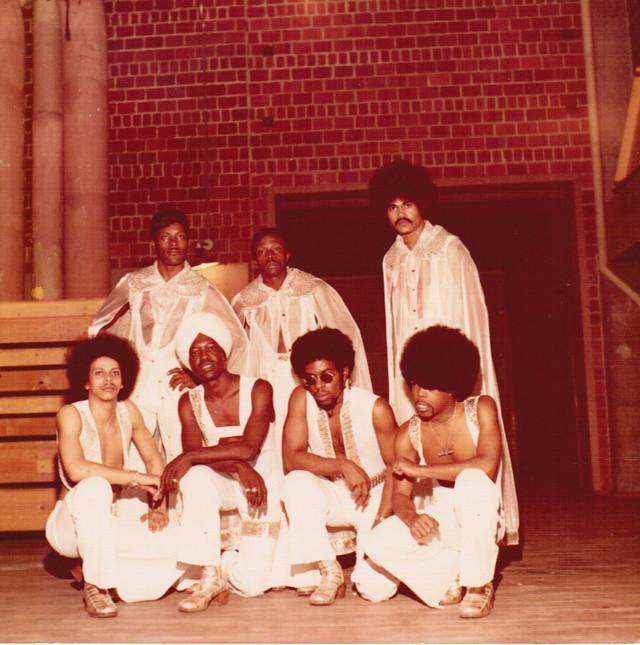
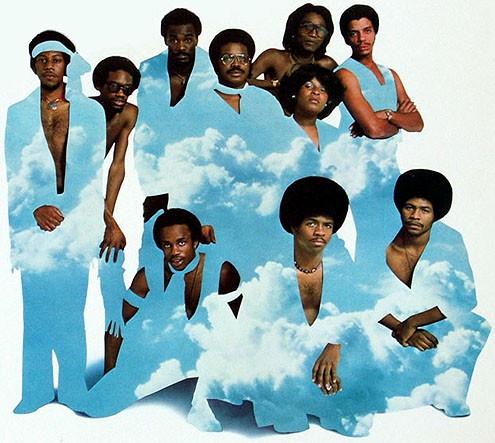
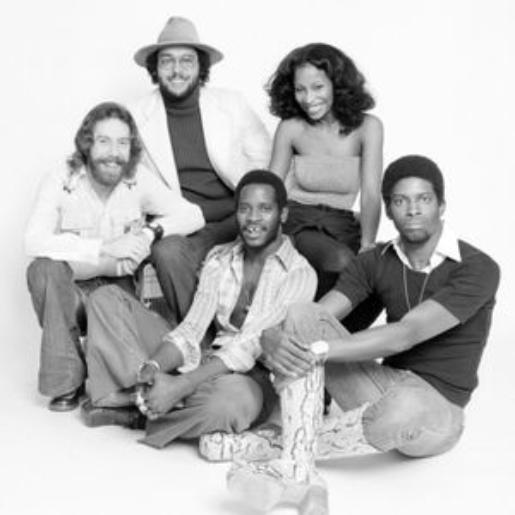
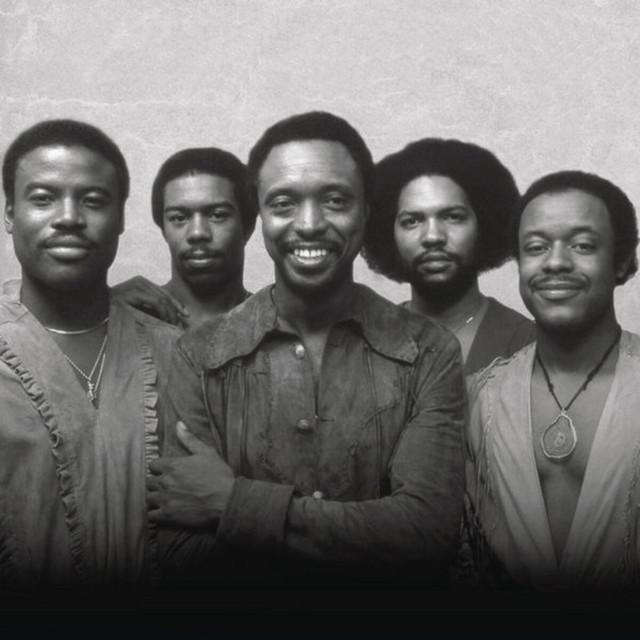
Brick’s Spotify BioBrick was an Atlanta band that created a successful merger of disco and jazz in the '70s that they called "dazz." Brick's roster included lead vocalist/saxophonist/flutist Jimmy Brown; guitarist/bassist/vocalist Regi Hargis Hickman; lead singer Ray Ransom, who doubled as a bassist/keyboardist/percussionist, and Eddie Irons, who sang lead vocals and played drums and keyboards.
They recorded "Music Matic" for Main Street in 1976 before signing to the CBS-distributed label Bang. Their first Bang single, "Dazz," topped Billboard's Hot Soul Singles chart and reached number three on the Hot 100. In 1977, Brick scored two more huge hits with "Dusic" and "Ain't Gonna' Hurt Nobody," each with a chunky, propulsive beat and catchy, light pop-jazz refrain. Their last Top Ten R&B hit was "Sweat ('Til You Get Wet)" a collaboration with Ray Parker in 1981. After 5, their sixth and final album for Bang, was released in 1982. As a quartet on the Magic City label, they released Too Tuff in 1988 and then… broke up. They are now under management of Adulari Entertainment. Guitarist Regi Hargis Hickman died on October 15, 2021 at the age of 70.
Viberate is a music analytics platform built for A&Rs, artist managers, labels, booking agents, marketers, and artists.
It helps music professionals track artist growth, analyze audience data, monitor playlist activity, compare artists, follow song performance, and identify opportunities across the music market.
Public artist pages provide a free preview of selected artist data. Paid plans provide access to deeper analytics, historical data, charts, comparisons, playlist tools, exports, alerts, reports, and additional professional features.
Yes. Public Viberate artist pages provide selected artist analytics and music data for free.
Viberate also offers a 7-day free trial of the full platform. A credit card is required to start the trial. The trial includes access to the complete product so users can test deeper artist analytics, historical views, playlist insights, comparisons, charts, exports, alerts, and reporting features before choosing a paid plan.
Viberate provides artist analytics across streaming, playlists, social media, video, radio airplay, songs, and audience markets.
Users can analyze Spotify performance, Spotify and Apple Music playlists, YouTube activity, TikTok and Instagram growth, radio spins, song performance, audience locations, demographics, rankings, and overall artist momentum.
Artist profiles also connect to music charts, similar artists, and comparison tools, helping users benchmark performance and evaluate artists in context.
Viberate updates key artist and track data daily.
For followed artists and tracks, selected data is refreshed multiple times per day. This helps teams monitor playlist changes, streaming movement, audience growth, releases, and campaign performance with more current data.
Update frequency can vary depending on the metric and data source.
Yes. Viberate lets users compare up to five artists side by side across streaming, social media, audience, and engagement metrics.
Users can compare fanbase growth, audience demographics, locations, Spotify performance, social metrics, and other artist data over selected time periods.
Artist comparison can be used for A&R scouting, benchmarking, booking decisions, campaign planning, and evaluating artists with similar audiences or market positions.