ConFunkShun

R&B
Funk
Soul
 Viberate Rank: 27715
 Viberate Rank: 27715
 Monthly ListenersFollowers
 Subscribers
 Followers
 Followers
 FansTop Spotify Songs
| Track | 7-Day Streams | |
|---|---|---|
1 | 113.53K | |
2 | 48.16K | |
3 | 21.57K | |
4 | 14.16K | |
5 | 13.32K |
Top YouTube Videos| Video | 7-Day Views | |
|---|---|---|
1 | 555 |
Monthly ListenersFeatured in Playlists| Playlist | Followers | |
|---|---|---|
1 |  Funk Outta Here Spotify | 1.30M |
2 |  real good shit Tom Misch | 165.62K |
3 | Fans Radar= Laura Taylor | 78.91K |
4 |  Dear Anthony: Questlove's Defense Of Yacht Rock, Smooth Soul & Dentist Office Pop Ahmir Khalib Thompson | 78.25K |
5 |  Soulful Christmas Spotify | 76.11K |
Audience| City | Monthly Listeners | |
|---|---|---|
1 | | 14.70K |
2 | | 10.12K |
3 | | 9.07K |
4 | | 8.96K |
5 |  | 8.21K |
See full performance history, audience data, playlist activity, rankings, comparisons, and more in Viberate music analytics. Start with a free trial, then continue with a paid plan.
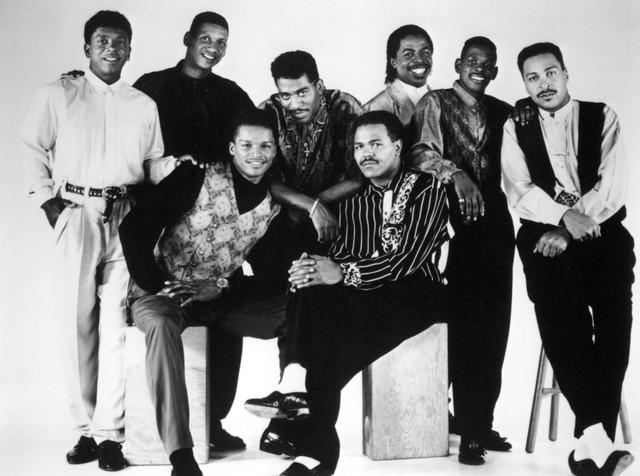
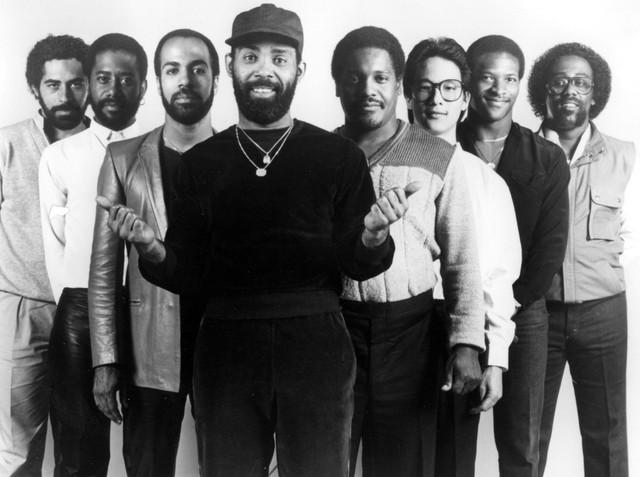
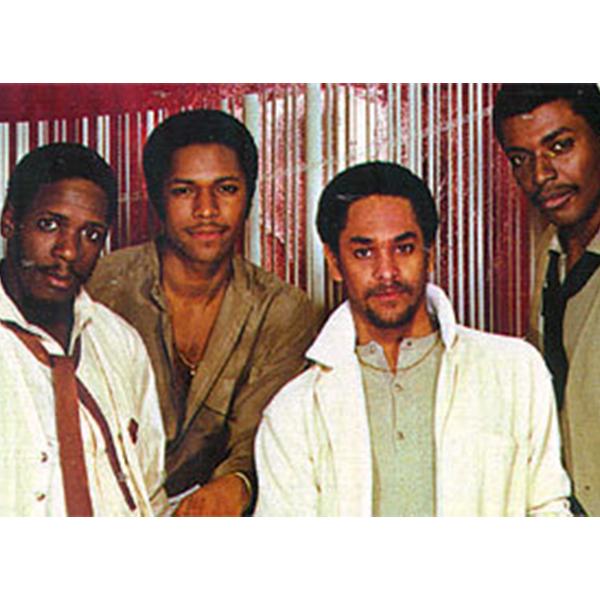
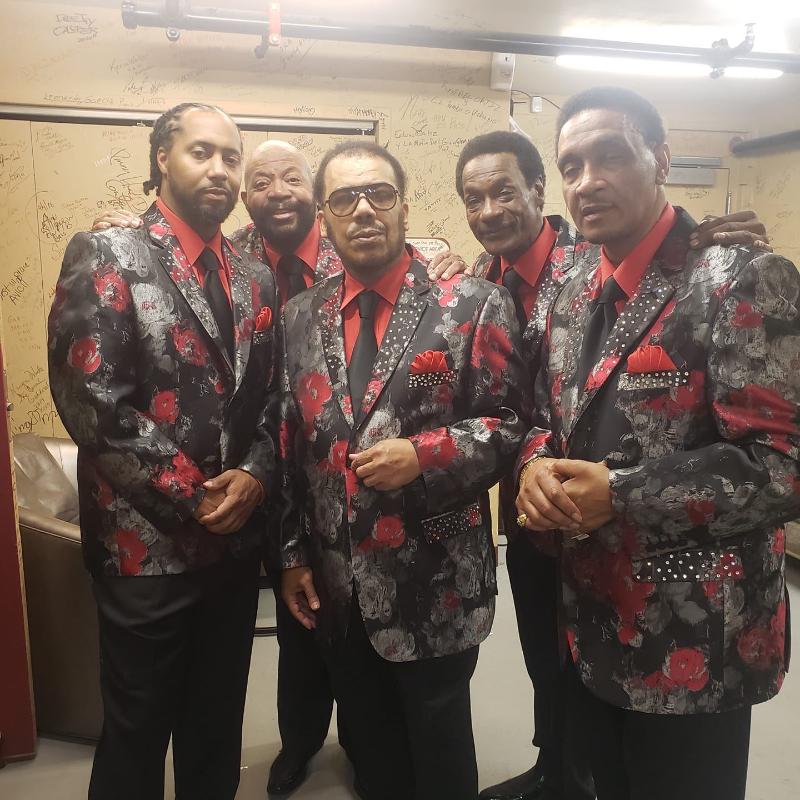
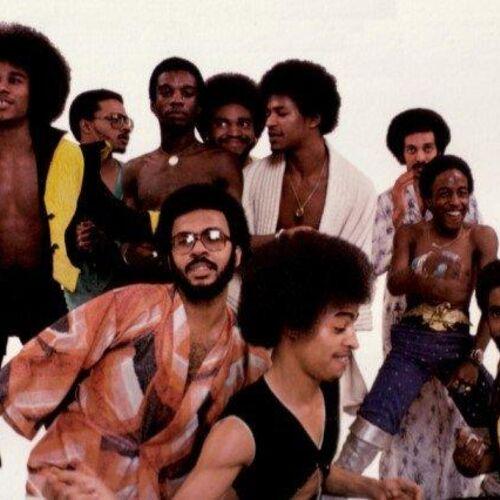
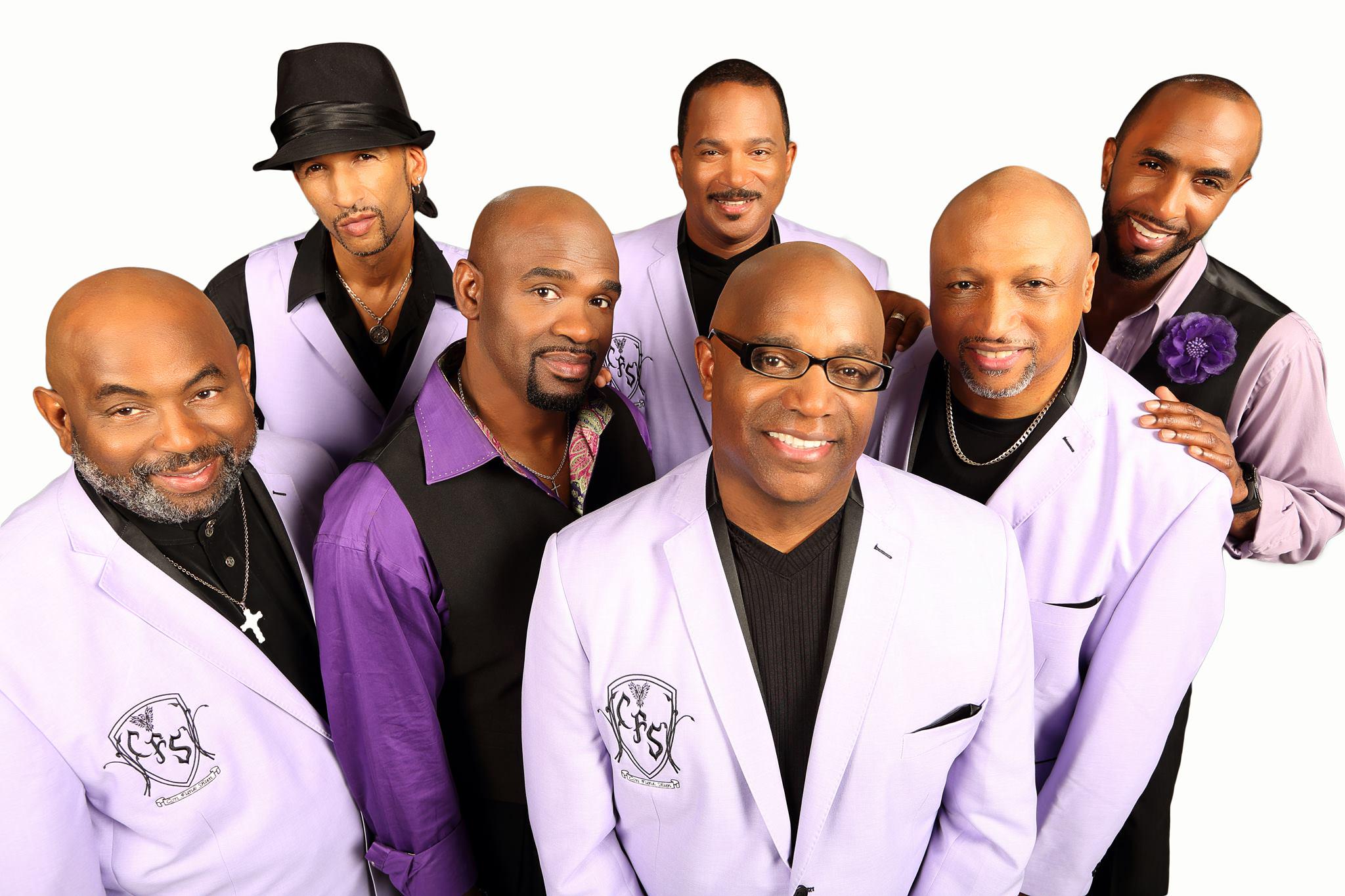
ConFunkShun’s Spotify BioFirst formed as a backing band, Con Funk Shun became one of the premiere party-funk groups of their time before turning to R&B ballads in the early '80s. Aside from being the primary musicians on all their albums, the band also contributed to each of their albums as writers, arrangers, and producers. Signed to Mercury in 1976, Con Funk Shun hit the top of the R&B charts one year later with "Ffun," written as a tribute to funk band Brick. The group found much success at Mercury; over a ten-year span, they released one hit after another (including "Shake and Dance with Me," "Chase Me," "Got to Be Enough") and were a popular concert attraction. In the '80s, Con Funk Shun began receiving more fame for their ballads, and re-entered the R&B Top Ten with "Baby I'm Hooked (Right into Your Love)," "Electric Lady," and "Burnin' Love." Though the band dissolved after their last album with Mercury, they reunited in the '90s and began performing at oldies festivals.
Con Funk Shun was formed by… high-school classmates Michael Cooper and Louis "Tony" McCall, along with Karl Fuller, Paul "Maceo" Harrell, Dennis Johnson, Cedric Martin, and Danny "Sweet Man" Thomas. All of them had been playing together since their high-school days in Vallejo, CA. Felton Pilate, also from Vallejo, joined the group after his band, a local rival, disbanded.
In the early '70s, the group was a backup band for the Soul Children with the name Project Soul. And when they weren't on the road with the Soul Children, they were creatively working with various Stax staff writers. In the mid-'70s, Project Soul made an effort to become a headliner, but they met dead-ends and little success. However, they found good fortune at Audio Dimensions, a Memphis recording studio owned by producer Ted Sturges. Around this time, he group named itself after the title of one of their instrumentals, "Con Funk Shun." During their three-year stint at Audio Dimensions, Sturges, besides owning the studio, was also Con Funk Shun's producer. Their association resulted in the group's first album, Organized Con Funk Shun.
As their sound developed, Pilate and Cooper emerged as the primary lead vocalists. Around the time their first album for Crankshaft Productions, Inc. was being recorded, the eighth member, MC and technician Dennis Johnson, left the group to attend seminary in California. By 1976, the group signed to Mercury, where they remained for ten years. Their first hit for Mercury was "Ffun," written by Michael Cooper as a tribute to Brick.
Burnin' Love, the septet's last album with Mercury, was recorded without their longtime musical center, Felton Pilate, who left the group in 1986 to become a successful producer. (Pilate eventually became the musical force behind MC Hammer.) Melvin Carter, a frequent collaborator of Con Funk Shun, joined the group upon Pilate's exit, and that same year Michael Cooper left for a solo career. Con Funk Shun disbanded after their last album with Mercury, but reunited in the '90s, and began performing at festivals and concerts around the world. ~ Craig Lytle, Rovi
Viberate is a music analytics platform built for A&Rs, artist managers, labels, booking agents, marketers, and artists.
It helps music professionals track artist growth, analyze audience data, monitor playlist activity, compare artists, follow song performance, and identify opportunities across the music market.
Public artist pages provide a free preview of selected artist data. Paid plans provide access to deeper analytics, historical data, charts, comparisons, playlist tools, exports, alerts, reports, and additional professional features.
Yes. Public Viberate artist pages provide selected artist analytics and music data for free.
Viberate also offers a 7-day free trial of the full platform. A credit card is required to start the trial. The trial includes access to the complete product so users can test deeper artist analytics, historical views, playlist insights, comparisons, charts, exports, alerts, and reporting features before choosing a paid plan.
Viberate provides artist analytics across streaming, playlists, social media, video, radio airplay, songs, and audience markets.
Users can analyze Spotify performance, Spotify and Apple Music playlists, YouTube activity, TikTok and Instagram growth, radio spins, song performance, audience locations, demographics, rankings, and overall artist momentum.
Artist profiles also connect to music charts, similar artists, and comparison tools, helping users benchmark performance and evaluate artists in context.
Viberate updates key artist and track data daily.
For followed artists and tracks, selected data is refreshed multiple times per day. This helps teams monitor playlist changes, streaming movement, audience growth, releases, and campaign performance with more current data.
Update frequency can vary depending on the metric and data source.
Yes. Viberate lets users compare up to five artists side by side across streaming, social media, audience, and engagement metrics.
Users can compare fanbase growth, audience demographics, locations, Spotify performance, social metrics, and other artist data over selected time periods.
Artist comparison can be used for A&R scouting, benchmarking, booking decisions, campaign planning, and evaluating artists with similar audiences or market positions.