G.Q.

R&B
Soul
Disco
Funk
 Viberate Rank: 52214
 Viberate Rank: 52214
 Monthly ListenersFollowers
 Subscribers
 Followers
 Followers
 FansTop Spotify Songs
| Track | 7-Day Streams | |
|---|---|---|
1 | 73.69K | |
2 | 26.34K | |
3 | 21.47K | |
4 | 11.16K | |
5 | 8.12K |
Top YouTube VideosMonthly ListenersFeatured in Playlists| Playlist | Followers | |
|---|---|---|
1 |  Soulful Disco Spotify | 552.90K |
2 |  70s R&B/Soul - The Golden Era Raul Gabriel - Music | 159.65K |
3 |  Lowrider Crusin' Spotify | 144.17K |
4 |  Disco Club Spotify | 140.58K |
5 | 1970's Disco HITS Oscar Mesta | 135.76K |
Audience| City | Monthly Listeners | |
|---|---|---|
1 | | 13.86K |
2 | | 5.45K |
3 | | 4.58K |
4 | | 4.40K |
5 | | 4.11K |
See full performance history, audience data, playlist activity, rankings, comparisons, and more in Viberate music analytics. Start with a free trial, then continue with a paid plan.
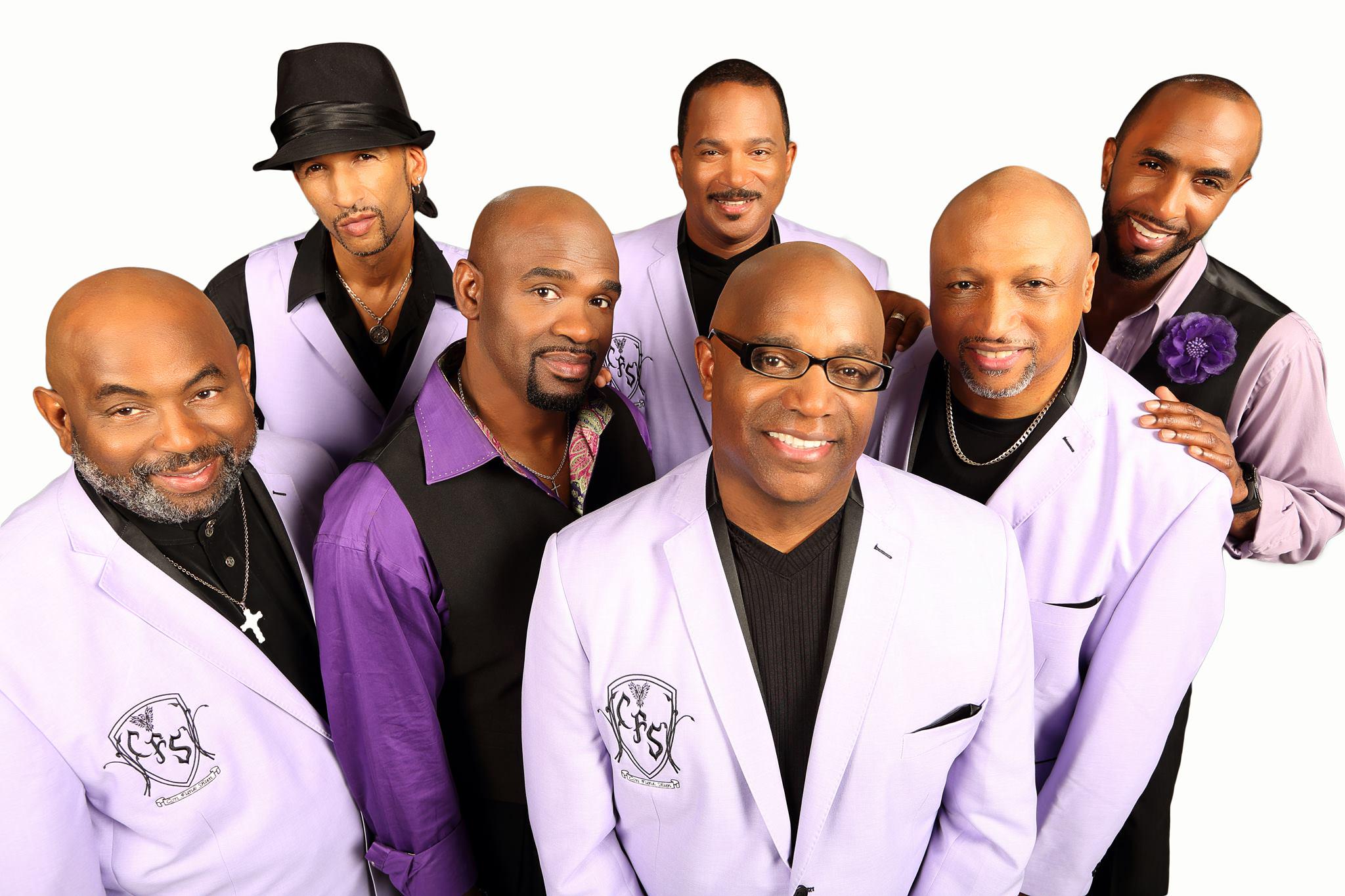
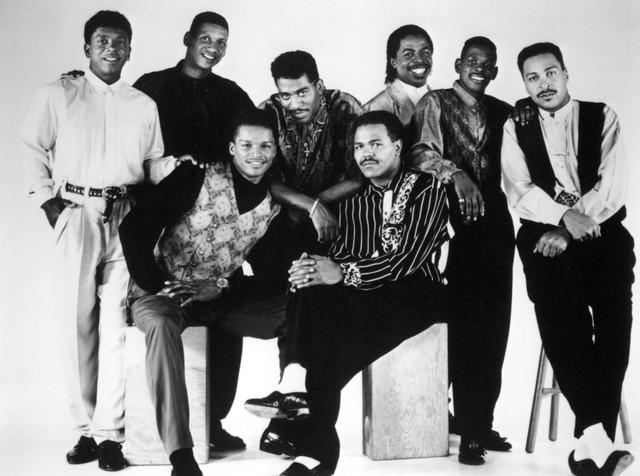
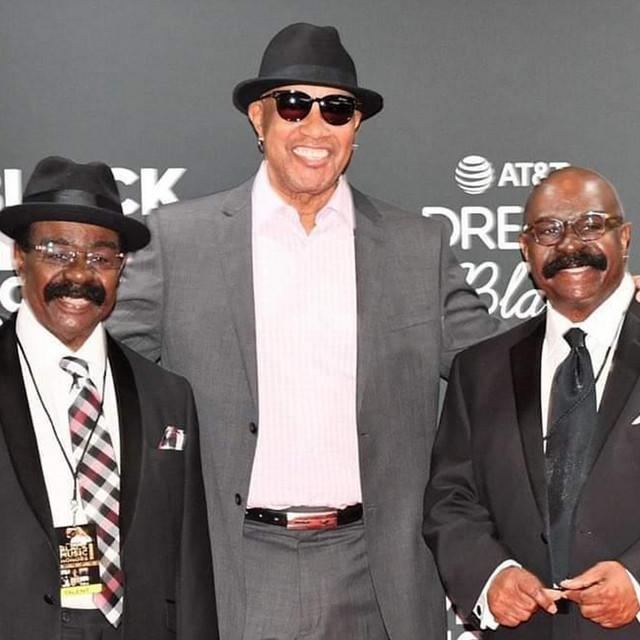
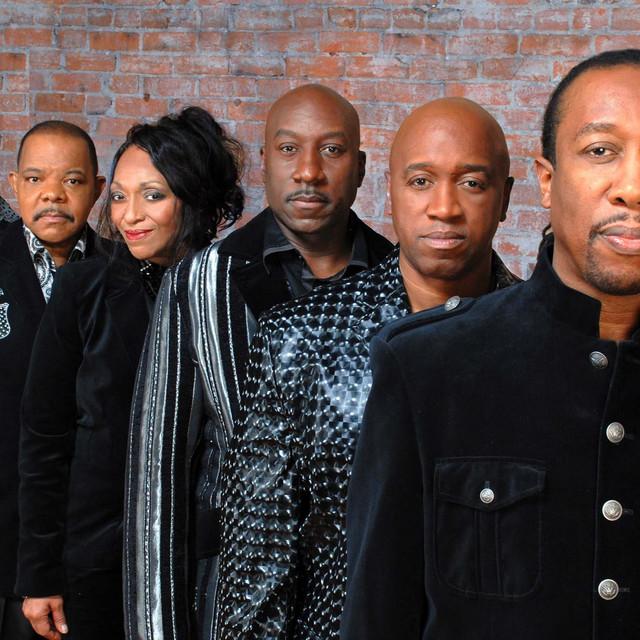
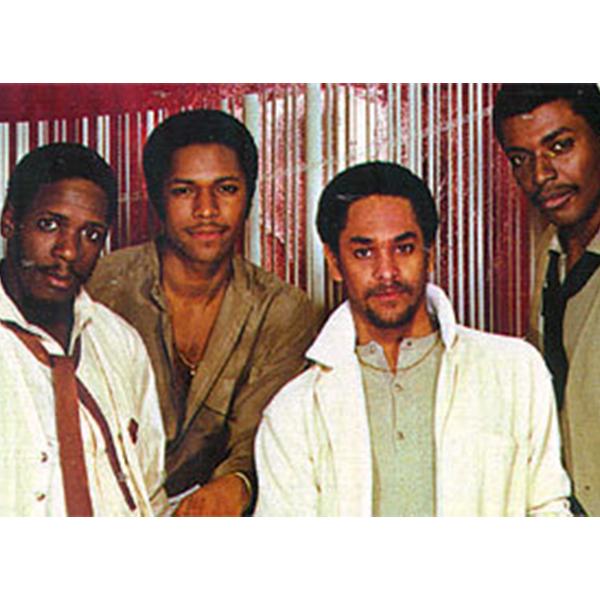
G.Q.’s Spotify BioA Bronx group that effectively mixed East Coast disco and Chicago soul covers with originals during the late '70s and early '80s, GQ began as Sabu & the Survivors in 1968. Lead vocalist Emmanuel Rahiem LeBlanc, Keith Crier, Herb Lane, and Paul Service were original members, but by 1980 GQ were a trio following Service's departure. They had two Top Ten R&B and Top 20 pop hits, as well as a number one R&B single in 1979, with "Disco Nights (Rock-Freak)" also peaking at number 12 pop; the single also won GQ an American Music Award. Their remakes of the Billy Stewart classics "I Do Love You" and "Sitting in the Park" were number five and number nine R&B singles in 1979 and 1980, respectively, with "I Do Love You" also reaching number 20 pop. They enjoyed one other Top 30 R&B single in 1981, "Shake." All their hits were on Arista from 1979 to 1982. The group briefly reconvened for A Tribute to Marvin Gaye and Billy Stewart, issued independently in 1999. Crier died in 2013. ~ Ron Wynn, Rovi
Viberate is a music analytics platform built for A&Rs, artist managers, labels, booking agents, marketers, and artists.
It helps music professionals track artist growth, analyze audience data, monitor playlist activity, compare artists, follow song performance, and identify opportunities across the music market.
Public artist pages provide a free preview of selected artist data. Paid plans provide access to deeper analytics, historical data, charts, comparisons, playlist tools, exports, alerts, reports, and additional professional features.
Yes. Public Viberate artist pages provide selected artist analytics and music data for free.
Viberate also offers a 7-day free trial of the full platform. A credit card is required to start the trial. The trial includes access to the complete product so users can test deeper artist analytics, historical views, playlist insights, comparisons, charts, exports, alerts, and reporting features before choosing a paid plan.
Viberate provides artist analytics across streaming, playlists, social media, video, radio airplay, songs, and audience markets.
Users can analyze Spotify performance, Spotify and Apple Music playlists, YouTube activity, TikTok and Instagram growth, radio spins, song performance, audience locations, demographics, rankings, and overall artist momentum.
Artist profiles also connect to music charts, similar artists, and comparison tools, helping users benchmark performance and evaluate artists in context.
Viberate updates key artist and track data daily.
For followed artists and tracks, selected data is refreshed multiple times per day. This helps teams monitor playlist changes, streaming movement, audience growth, releases, and campaign performance with more current data.
Update frequency can vary depending on the metric and data source.
Yes. Viberate lets users compare up to five artists side by side across streaming, social media, audience, and engagement metrics.
Users can compare fanbase growth, audience demographics, locations, Spotify performance, social metrics, and other artist data over selected time periods.
Artist comparison can be used for A&R scouting, benchmarking, booking decisions, campaign planning, and evaluating artists with similar audiences or market positions.