Mtume

R&B
Contemporary R&B
Disco
Soul
 Viberate Rank: 45992
 Viberate Rank: 45992
 Monthly ListenersFollowers
 Subscribers
 Followers
 Followers
 FansTop Spotify Songs
| Track | 7-Day Streams | |
|---|---|---|
1 | 71.41K | |
2 | 12.29K | |
3 | 7.50K | |
4 | 5.83K | |
5 | 3.13K |
Top YouTube Videos| Video | 7-Day Views | |
|---|---|---|
1 | 82.77K | |
2 | 13.59K | |
3 | 8.29K | |
4 | 7.10K | |
5 | 459 |
Monthly ListenersFeatured in Playlists| Playlist | Followers | |
|---|---|---|
1 |  ’80s Jam Session Spotify | 876.49K |
2 |  I Love My 80s Funk Spotify | 316.54K |
3 | Sunday Soul Session [Sunday belongs to lovers] Sithandiwedlamini | 181.31K |
4 |  real good shit Tom Misch | 165.62K |
5 | **80s R&B Hits** Chrismix | 119.14K |
Audience| City | Monthly Listeners | |
|---|---|---|
1 |  | 16.48K |
2 | | 9.78K |
3 | | 8.89K |
4 |  | 7.93K |
5 |  | 5.26K |
See full performance history, audience data, playlist activity, rankings, comparisons, and more in Viberate music analytics. Start with a free trial, then continue with a paid plan.
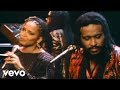
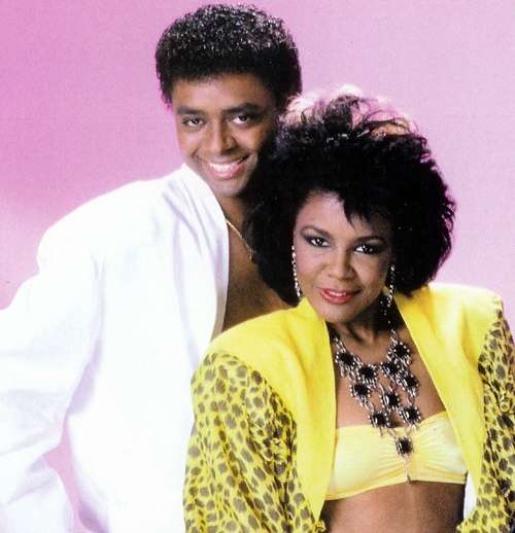
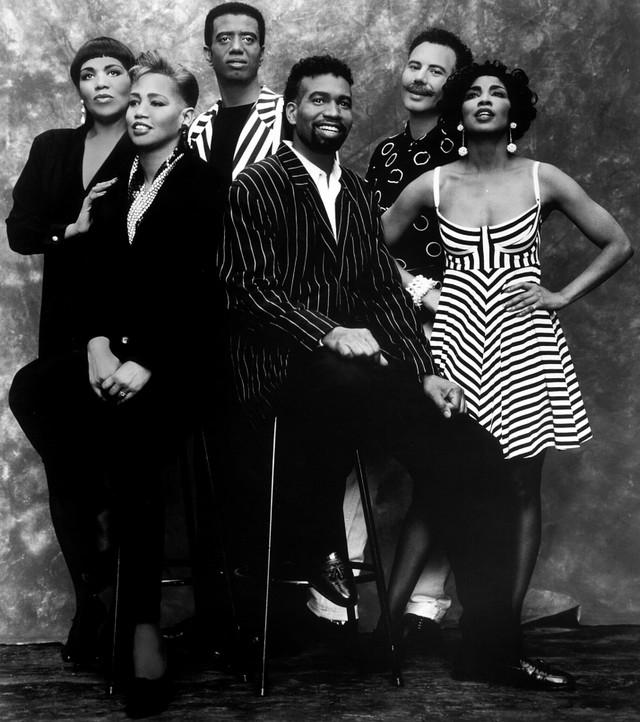
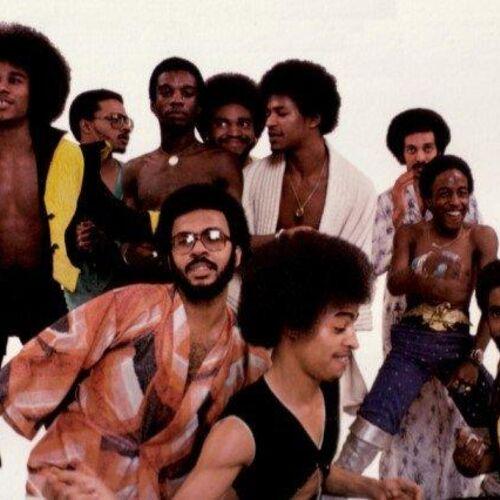
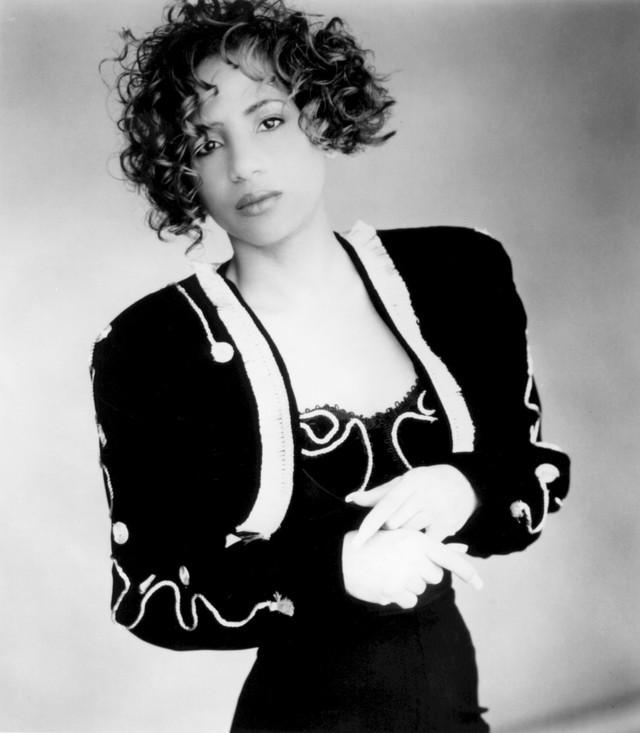
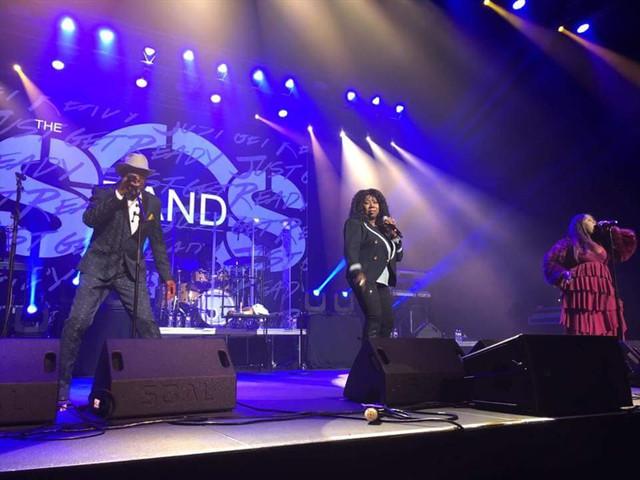
Mtume’s Spotify BioLed by James Mtume and featuring the powerful lead vocals of Tawatha Agee, Mtume were a dynamic, chart-topping R&B band that recorded for major-label Epic from 1978 through 1986. As a top-level jazz percussionist and composer whose most prominent work was with Miles Davis from 1971 to 1975, James Mtume was frequently credited simply as Mtume. During the early part of that decade, the musician also recorded mononymously as a leader, blurring the distinction between the individual and the band. Mtume the band continued the path James Mtume and guitarist/partner Reggie Lucas had taken when they departed from the jazz field and co-wrote "The Closer I Get to You," the sparkling Roberta Flack and Donny Hathaway duet that topped Billboard's R&B chart in 1978. The first lineup was filled out by keyboardist Hubert Eaves III, bassist Basil Fearington, and drummer Howard King, though the band's founder and Agee were the lone original members after the second full-length. The most significant… departures were Eaves, who moved on to D Train and other production work, and Lucas, whose greatest subsequent success came with producing the majority of Madonna's self-titled debut.
Kiss This World Goodbye (1978), In Search of the Rainbow Seekers (1980), Juicy Fruit (1983), You, Me and He (1984), and Theater of the Mind (1986), the five Mtume band albums, yielded 11 charting singles among expansive deep cuts. The biggest hits were "Give It on Up (If You Want To)" (number 26 R&B), "Juicy Fruit" (number one R&B), "You, Me and He" (number two R&B), and "Breathless" (number nine R&B). These A-sides traced the band's smooth evolution from uplifting, almost big-band-like funk -- within the same realm and class as Earth, Wind & Fire and the Brothers Johnson -- to lean, intimate machine soul. Mtume himself, who continued to work primarily behind the scenes for over a decade after the band's end, simply termed the output "sophisti-funk," a sound that also characterized his and Lucas' concurrent Grammy-winning songwriting and production work for the likes of Phyllis Hyman, Stephanie Mills, the Spinners, and Lou Rawls. Thanks in part to the Notorious B.I.G.'s "Juicy" and dozens of other songs that have either sampled or referenced Mtume, the band's discography remains ripe for discovery by younger generations. James Mtume died on January 9, 2022 at the age of 76. ~ Andy Kellman, Rovi
Viberate is a music analytics platform built for A&Rs, artist managers, labels, booking agents, marketers, and artists.
It helps music professionals track artist growth, analyze audience data, monitor playlist activity, compare artists, follow song performance, and identify opportunities across the music market.
Public artist pages provide a free preview of selected artist data. Paid plans provide access to deeper analytics, historical data, charts, comparisons, playlist tools, exports, alerts, reports, and additional professional features.
Yes. Public Viberate artist pages provide selected artist analytics and music data for free.
Viberate also offers a 7-day free trial of the full platform. A credit card is required to start the trial. The trial includes access to the complete product so users can test deeper artist analytics, historical views, playlist insights, comparisons, charts, exports, alerts, and reporting features before choosing a paid plan.
Viberate provides artist analytics across streaming, playlists, social media, video, radio airplay, songs, and audience markets.
Users can analyze Spotify performance, Spotify and Apple Music playlists, YouTube activity, TikTok and Instagram growth, radio spins, song performance, audience locations, demographics, rankings, and overall artist momentum.
Artist profiles also connect to music charts, similar artists, and comparison tools, helping users benchmark performance and evaluate artists in context.
Viberate updates key artist and track data daily.
For followed artists and tracks, selected data is refreshed multiple times per day. This helps teams monitor playlist changes, streaming movement, audience growth, releases, and campaign performance with more current data.
Update frequency can vary depending on the metric and data source.
Yes. Viberate lets users compare up to five artists side by side across streaming, social media, audience, and engagement metrics.
Users can compare fanbase growth, audience demographics, locations, Spotify performance, social metrics, and other artist data over selected time periods.
Artist comparison can be used for A&R scouting, benchmarking, booking decisions, campaign planning, and evaluating artists with similar audiences or market positions.