Lakeside

R&B
Funk
Disco house
 Viberate Rank: 29132
 Viberate Rank: 29132
 Monthly ListenersFollowers
 Subscribers
 Followers
 Followers
 FansTop Spotify Songs
| Track | 7-Day Streams | |
|---|---|---|
1 | 171.04K | |
2 | 26.86K | |
3 | 21.98K | |
4 | 20.02K | |
5 | 11.88K |
Top YouTube VideosMonthly ListenersFeatured in Playlists| Playlist | Followers | |
|---|---|---|
1 |  Yacht Rock Spotify | 1.85M |
2 |  Funk Outta Here Spotify | 1.30M |
3 |  I Love My 80s Funk Spotify | 316.54K |
4 |  GTA San Andreas Radio Low Fidelity | 252.20K |
5 |  Funky Soul (Old Skool) Greg.atini | 117.63K |
Audience| City | Monthly Listeners | |
|---|---|---|
1 |  | 37.65K |
2 | | 22.30K |
3 | | 15.24K |
4 | | 10.72K |
5 | | 7.86K |
See full performance history, audience data, playlist activity, rankings, comparisons, and more in Viberate music analytics. Start with a free trial, then continue with a paid plan.
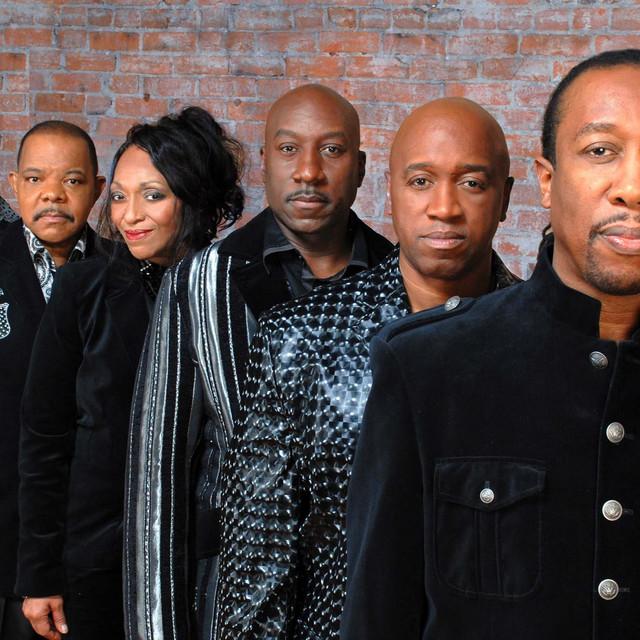
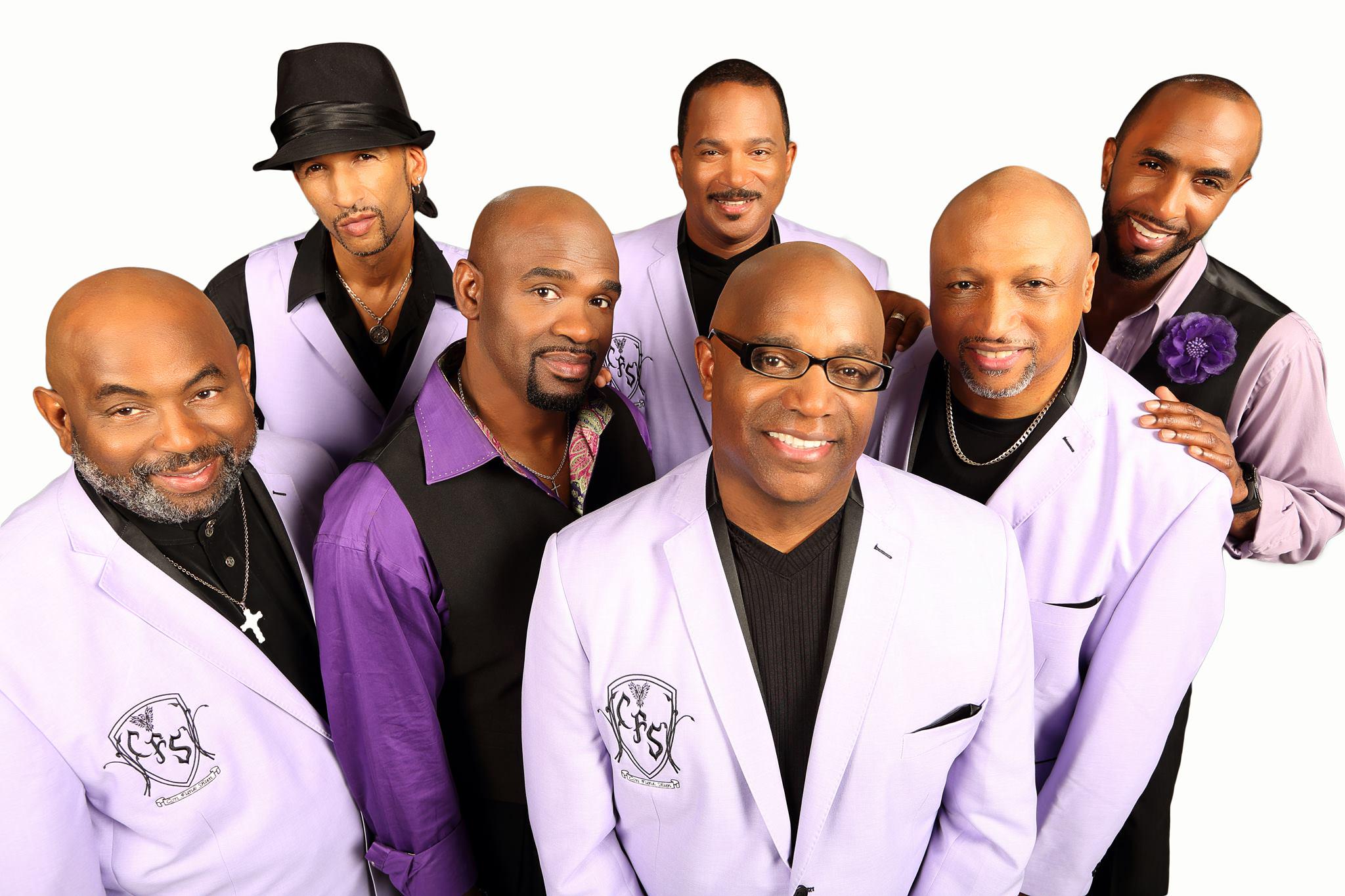
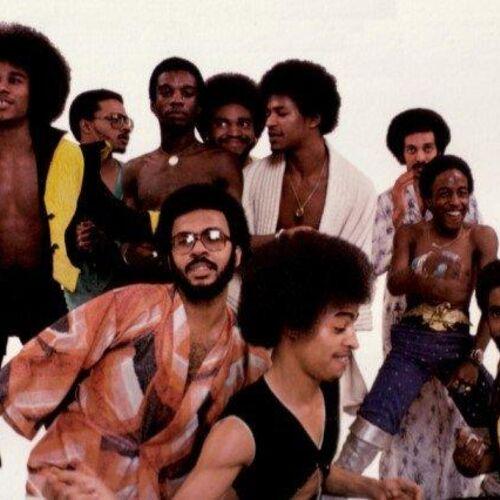
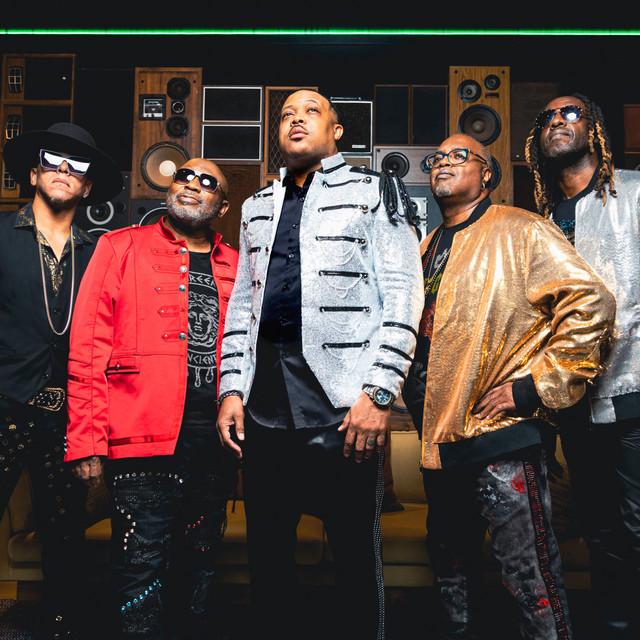
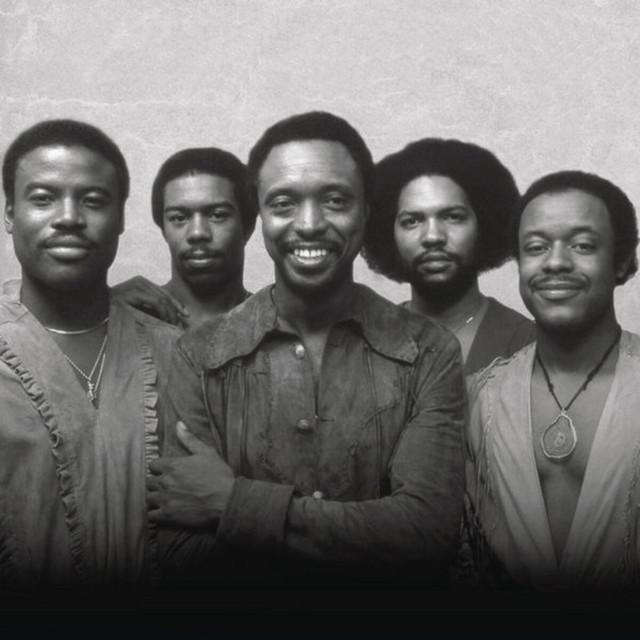
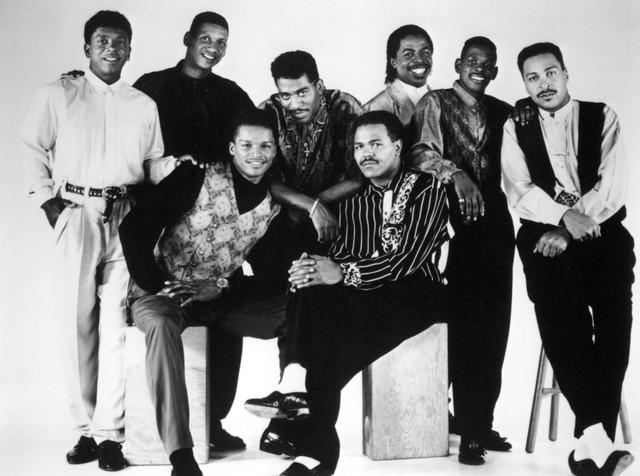
Lakeside’s Spotify BioIn 1969, Dayton, Ohio native Stephen Shockley formed the Young Underground after exiting the Monterreys. Vocalist Mark Woods, who was a member of the local band the Nomads, joined up with Shockley to form a more mature-sounding Young Underground. The group initially had a record deal with Curtom Records as a result of winning a talent contest in Chicago. However, Curtom folded shortly thereafter. While in Chicago the group renamed itself Lakeside Express, after the Lakeside Express Newspaper in Chicago.
In 1974 the emerging Lakeside Express and another group by the name of Liquid Funk, which featured Dallas native Fred Alexander, Jr. on drums, arrived in Los Angeles around the same time. For the next couple of years the bands performed at events around the greater L.A. area, occasionally crossing paths. The members of Liquid Funk returned to Dallas, but Alexander remained in L.A. Lakeside, who by now had dropped the Express from their name, was seeking additional personnel to solidify… their band. After two auditions, Alexander was welcomed into the group.
Lakeside inked a deal with Motown, but found no success. Consequently, they released a ballad on ABC Records, but that label went under. The good fortune they were seeking turned out to be at Dick Griffey's Solar Records. The group signed a deal with Griffey, and released their first Top Ten hit on Solar Records, "It's All the Way Live," which peaked at number four on the Billboard R&B charts.
Lakeside released a host of songs that scaled the R&B charts, but didn't threaten the position of any other artists. However, in 1980 they went storming up the charts again with their smash number one single, "Fantastic Voyage," which was produced by the self-contained band. They followed the success of "Fantastic Voyage" with another Top Ten R&B single, a remake of the Paul McCartney and John Lennon classic "I Want to Hold Your Hand." The group continued their success with the Billboard Top Ten singles "Raid," "Outrageous," and a string of R&B party songs and ballads. ~ Craig Lytle, Rovi
Viberate is a music analytics platform built for A&Rs, artist managers, labels, booking agents, marketers, and artists.
It helps music professionals track artist growth, analyze audience data, monitor playlist activity, compare artists, follow song performance, and identify opportunities across the music market.
Public artist pages provide a free preview of selected artist data. Paid plans provide access to deeper analytics, historical data, charts, comparisons, playlist tools, exports, alerts, reports, and additional professional features.
Yes. Public Viberate artist pages provide selected artist analytics and music data for free.
Viberate also offers a 7-day free trial of the full platform. A credit card is required to start the trial. The trial includes access to the complete product so users can test deeper artist analytics, historical views, playlist insights, comparisons, charts, exports, alerts, and reporting features before choosing a paid plan.
Viberate provides artist analytics across streaming, playlists, social media, video, radio airplay, songs, and audience markets.
Users can analyze Spotify performance, Spotify and Apple Music playlists, YouTube activity, TikTok and Instagram growth, radio spins, song performance, audience locations, demographics, rankings, and overall artist momentum.
Artist profiles also connect to music charts, similar artists, and comparison tools, helping users benchmark performance and evaluate artists in context.
Viberate updates key artist and track data daily.
For followed artists and tracks, selected data is refreshed multiple times per day. This helps teams monitor playlist changes, streaming movement, audience growth, releases, and campaign performance with more current data.
Update frequency can vary depending on the metric and data source.
Yes. Viberate lets users compare up to five artists side by side across streaming, social media, audience, and engagement metrics.
Users can compare fanbase growth, audience demographics, locations, Spotify performance, social metrics, and other artist data over selected time periods.
Artist comparison can be used for A&R scouting, benchmarking, booking decisions, campaign planning, and evaluating artists with similar audiences or market positions.