Skin Yard

Rock
Alternative Rock
 Viberate Rank: 147615
 Viberate Rank: 147615
 Monthly ListenersFollowers
 Subscribers
 Followers
 Followers
 FansTop Spotify Songs
| Track | 7-Day Streams | |
|---|---|---|
1 | 7.75K | |
2 | 939 | |
3 | 613 | |
4 | 603 | |
5 | 543 |
Top YouTube VideosMonthly ListenersFeatured in Playlists| Playlist | Followers | |
|---|---|---|
1 |  Grunge Forever Spotify | 1.78M |
2 | GRUNGE zerubi | 80.90K |
3 | Seattle Grunge Iain C Forbes | 43.89K |
4 |  WonkoFM WonkoTheSane | 21.06K |
5 |  Grunge & Rock Hits rafaelfin29 | 9.41K |
Audience| City | Monthly Listeners | |
|---|---|---|
1 |  | 682 |
2 |  | 392 |
3 |  | 285 |
4 | | 243 |
5 | | 237 |
See full performance history, audience data, playlist activity, rankings, comparisons, and more in Viberate music analytics. Start with a free trial, then continue with a paid plan.
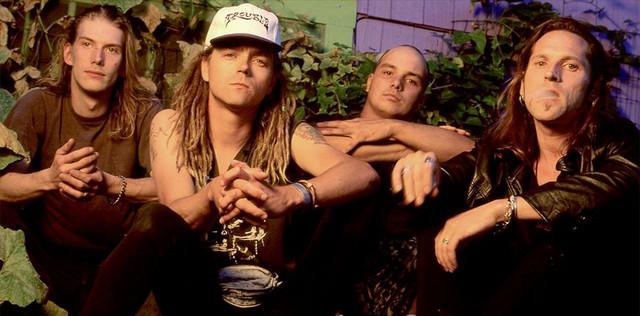
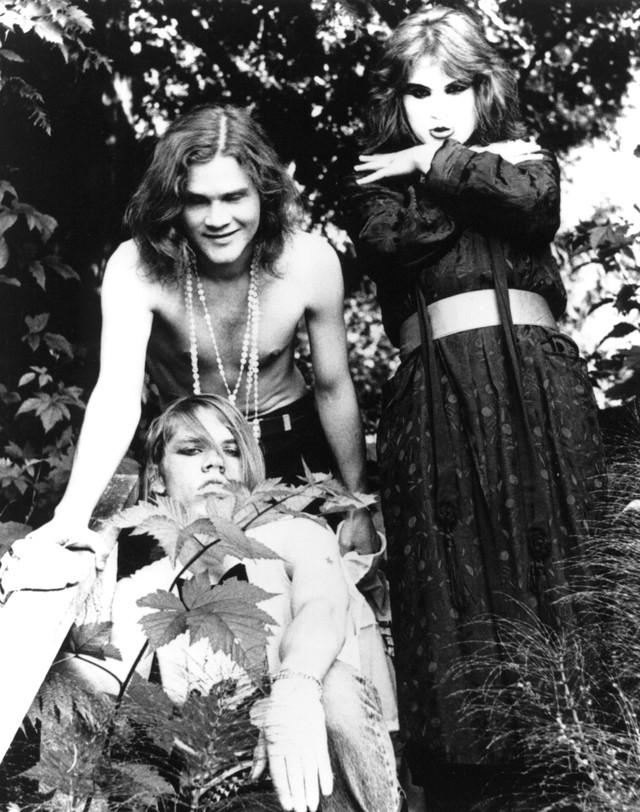
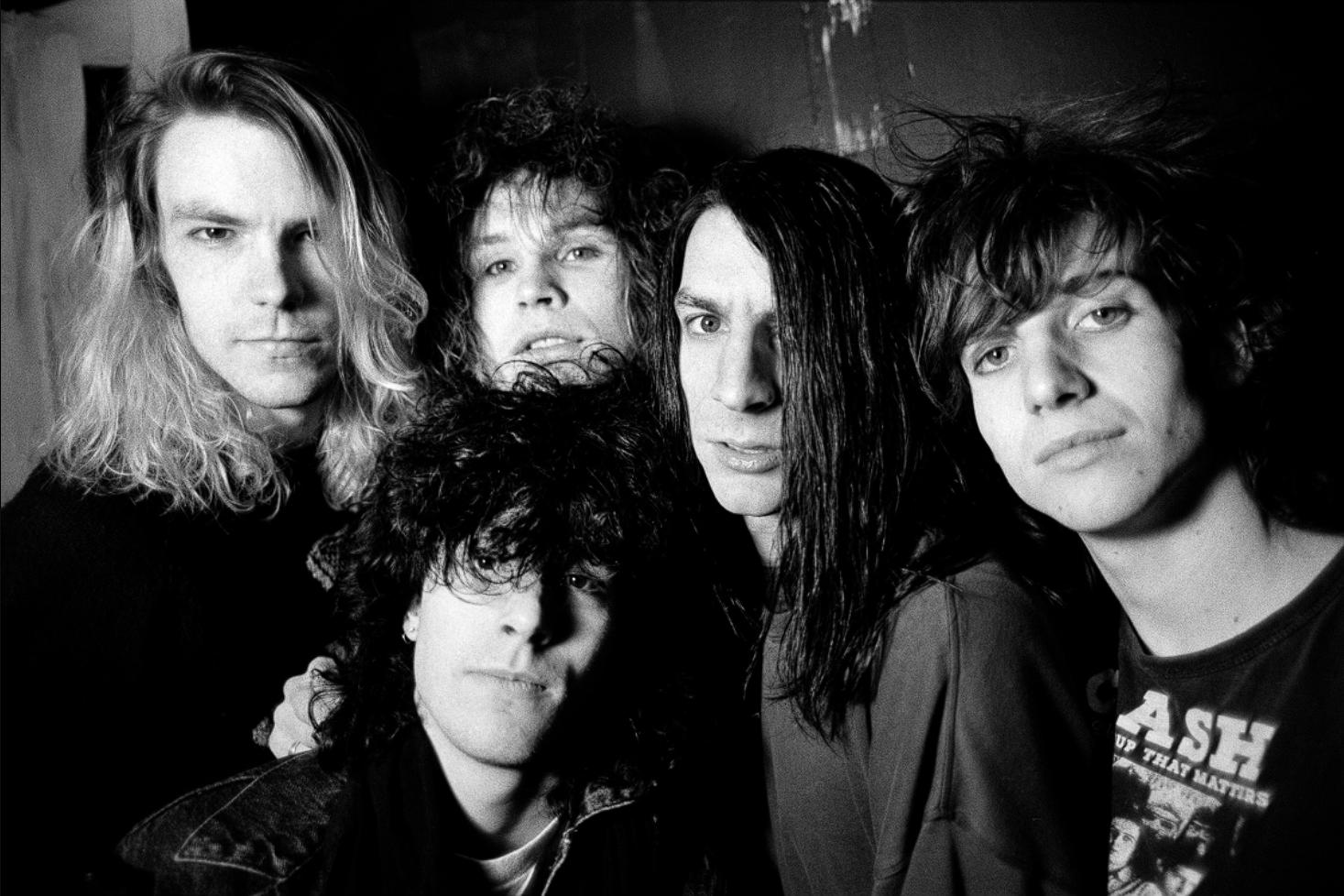
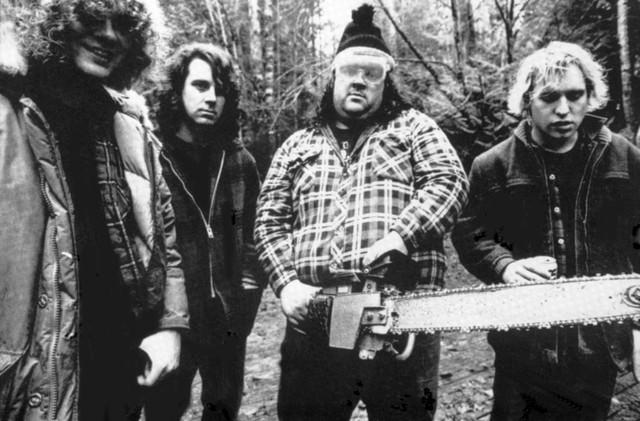
Skin Yard’s Spotify BioPossibly the least appreciated of Seattle's early grunge pioneers, Skin Yard never broke out of the deeper levels of the underground. Unlike most of their peers, they never made it onto the Sub Pop roster, nor did their key personnel go on to breakout stardom with other bands. They did, however, contribute drummers to acts like Soundgarden and the Presidents of the United States of America, and guitarist Jack Endino became the local scene's pre-eminent producer and engineer, helming records for nearly every Sub Pop luminary. Endino and bassist Daniel House formed Skin Yard in 1985, at the dawn of the grunge era. They were joined by vocalist Ben McMillan and drummer Matt Cameron, the latter of whom had played with House in a group called Feedback. Skin Yard made their live debut in June 1985, and first appeared on record later that year with their contribution to Deep Six, a C/Z Records compilation that marked the vinyl debut of other important early grunge artists, including Green… River, the Melvins, Malfunkshun, and Soundgarden.
Initially tabbed as something of a sister band to Soundgarden, Skin Yard's early sound shared the thick, molten, psychedelic sludge of Chris Cornell and company's formative years. The two also boasted relatively complicated arrangements, which in Skin Yard's case would later give way to a more straightforward heaviness. Their self-titled debut album, issued in early 1986 by C/Z, landed on the artier end of the spectrum, however, with the deliberate tempos leaving plenty of room for vocal and guitar dramatics. Matt Cameron subsequently left the group, and joined Soundgarden two months later. Replacement drummers Steve Wied (later of Tad) and Greg Gilmore (later of Mother Love Bone) played with Skin Yard for two gigs apiece. That fall, the band settled on Jason Finn as a permanent member, but he too left after a few months to travel to Europe; he would later go on to work with Love Battery, the Fastbacks, and the Presidents of the United States of America.
Scott McCullum (aka Norman Scott) came onboard as Skin Yard's new drummer for their sophomore LP, 1988's Hallowed Ground, which appeared on the Toxic Shock label. By all accounts, the supporting tour was a trying experience; upon returning to Seattle, the band cut one more album, the heavier Fist Sized Chunks, which was released on Cruz Records in early 1990. Meanwhile Skin Yard went on hiatus; by this time, Endino's career as a producer and engineer was picking up steam, and he'd already worked on landmark records by bands like Mudhoney and Nirvana (who had, at Endino's request, played their first Seattle gig opening for Skin Yard). House, meanwhile, had been working as a sales manager for Sub Pop, and had also acquired the C/Z label from founders Chris Hanszek and Tina Casale, which he built into a fairly successful indie enterprise.
Skin Yard's hiatus lasted for over a year, during which time McCullum departed and the band fully expected to call it quits. However, the band was revitalized by the arrival of Screaming Trees drummer Barrett Martin, who made his debut on what many considered the most fully realized Skin Yard album, 1991's 1000 Smiling Knuckles. Following its completion, Daniel House left the band to spend more time with his new family, and was replaced by Pat Pedersen. Pedersen debuted on 1992's Inside the Eye, a slightly more metallic record that also proved to be Skin Yard's swan song; they disbanded not long after. Pedersen and Martin both played on Endino's solo project Endino's Earthworm. Ben McMillan, meanwhile, reunited with Scott McCullum in Gruntruck, which got some attention from metal audiences; the two later reteamed in Mona Diesel. House continued to run C/Z into the new millennium, and Endino continued his production career. In 2001, C/Z issued a limited-edition collection of Skin Yard rarities and outtakes, titled Start at the Top. ~ Steve Huey, Rovi
Viberate is a music analytics platform built for A&Rs, artist managers, labels, booking agents, marketers, and artists.
It helps music professionals track artist growth, analyze audience data, monitor playlist activity, compare artists, follow song performance, and identify opportunities across the music market.
Public artist pages provide a free preview of selected artist data. Paid plans provide access to deeper analytics, historical data, charts, comparisons, playlist tools, exports, alerts, reports, and additional professional features.
Yes. Public Viberate artist pages provide selected artist analytics and music data for free.
Viberate also offers a 7-day free trial of the full platform. A credit card is required to start the trial. The trial includes access to the complete product so users can test deeper artist analytics, historical views, playlist insights, comparisons, charts, exports, alerts, and reporting features before choosing a paid plan.
Viberate provides artist analytics across streaming, playlists, social media, video, radio airplay, songs, and audience markets.
Users can analyze Spotify performance, Spotify and Apple Music playlists, YouTube activity, TikTok and Instagram growth, radio spins, song performance, audience locations, demographics, rankings, and overall artist momentum.
Artist profiles also connect to music charts, similar artists, and comparison tools, helping users benchmark performance and evaluate artists in context.
Viberate updates key artist and track data daily.
For followed artists and tracks, selected data is refreshed multiple times per day. This helps teams monitor playlist changes, streaming movement, audience growth, releases, and campaign performance with more current data.
Update frequency can vary depending on the metric and data source.
Yes. Viberate lets users compare up to five artists side by side across streaming, social media, audience, and engagement metrics.
Users can compare fanbase growth, audience demographics, locations, Spotify performance, social metrics, and other artist data over selected time periods.
Artist comparison can be used for A&R scouting, benchmarking, booking decisions, campaign planning, and evaluating artists with similar audiences or market positions.