Gruntruck

Rock
Alternative Rock
Hard Rock
Heavy Metal
 Viberate Rank: 137219
 Viberate Rank: 137219
 Monthly ListenersFollowers
 Subscribers
 Followers
 Followers
 FansTop Spotify Songs
| Track | 7-Day Streams | |
|---|---|---|
1 | 9.90K | |
2 | 3.37K | |
3 | 3.08K | |
4 | 2.35K | |
5 | 1.44K |
Top YouTube VideosMonthly ListenersFeatured in Playlists| Playlist | Followers | |
|---|---|---|
1 |  Grunge Forever Spotify | 1.78M |
2 | GRUNGE zerubi | 80.90K |
3 | Seattle Grunge Iain C Forbes | 43.89K |
4 | creep coy3.0 | 8.14K |
5 | Grunge/Pós Grunge DZROCK | 6.09K |
Audience| City | Monthly Listeners | |
|---|---|---|
1 |  | 686 |
2 | | 620 |
3 |  | 537 |
4 |  | 519 |
5 | | 518 |
See full performance history, audience data, playlist activity, rankings, comparisons, and more in Viberate music analytics. Start with a free trial, then continue with a paid plan.
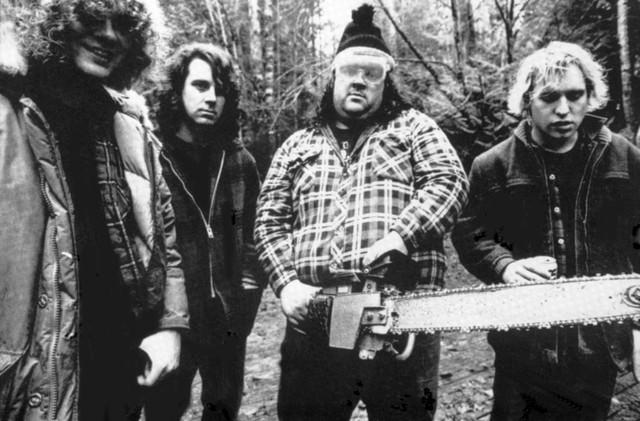
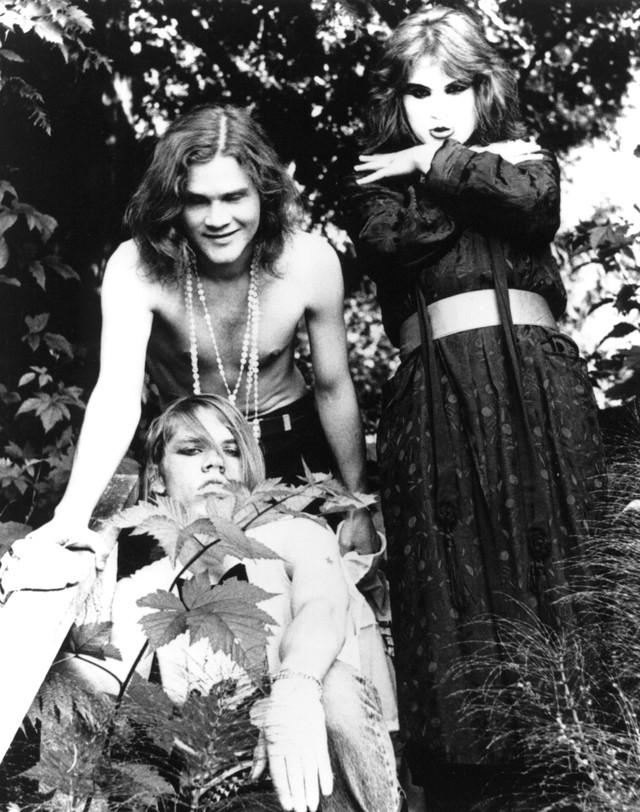
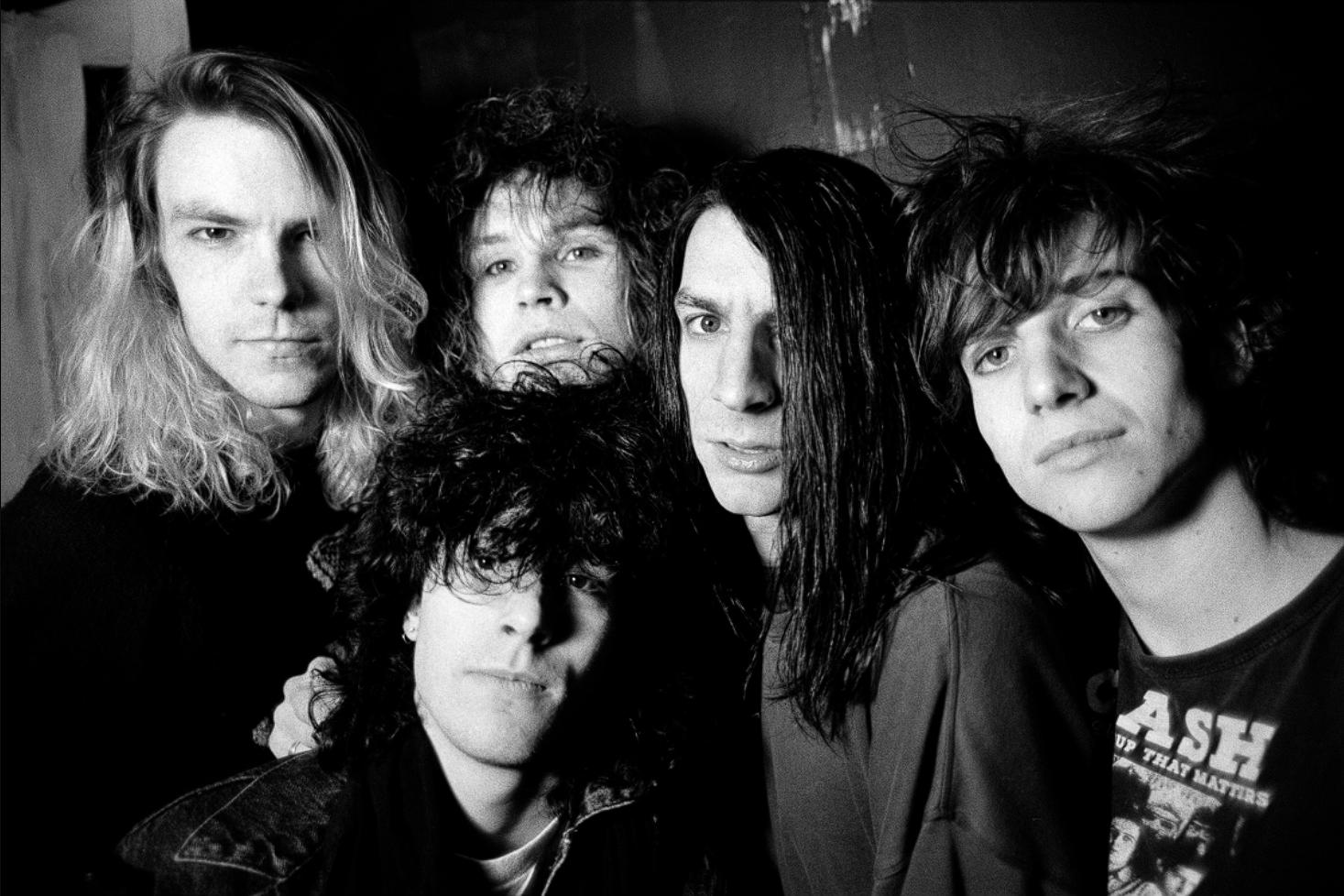
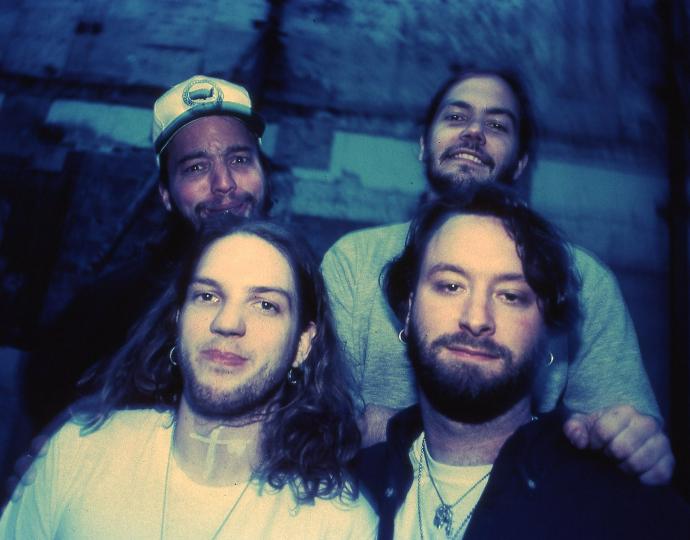
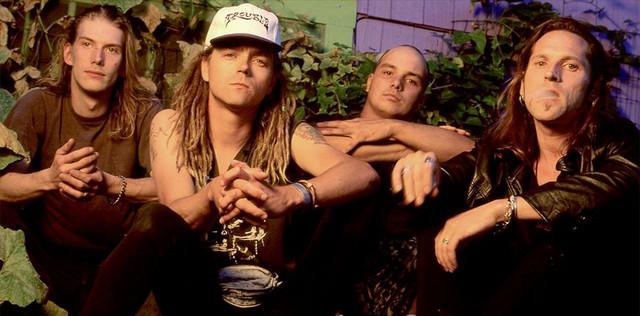
Gruntruck’s Spotify BioSinger/guitarist Ben McMillan began his career as the frontman for seminal Seattle grunge band Skin Yard, which cranked out four albums during his six-year tenure, and included future producer and alternative rock linchpin Jack Endino (Nirvana, Smashing Pumpkins, et al.) on guitar. In 1990, he drafted ex-Skin Yard drummer Norman Scott, guitarist Tom Niemeyer, and bassist Tim Paul to form Gruntruck. The band's sound treaded much of the same post-punk/metal hybrid that was then common to the Seattle scene, and their counterpoint guitars and minor chords were reminiscent of bands like Soundgarden, Tad, Alice in Chains, and Screaming Trees. The band released its debut full-length effort, Inside Yours, via Roadrunner in 1991, with a sophomore outing, Push, arriving in 1992. A string of high-profile tours alongside Alice in Chains and Pantera followed, but by 1996 the band was hemorrhaging financially under the weight of contractual obligations to Roadrunner, and was forced to declare… bankruptcy. The emotional and financial fallout from the matter -- the label sued, leading to a precedent-setting lawsuit that eventually inspired major congressional legislation -- killed some of Gruntruck's momentum, but they managed to issue a three-song EP, Shot, via Betty Records in late 1996. Over the next three years Gruntruck worked diligently on what was to be their breakout third album, but were forced to go on hiatus while McMillan dealt with some health issues -- sadly, McMillan passed away in 2008 from complications related to an ongoing eight-year battle with diabetes. The eponymous LP was eventually released in 2017 via Found Recordings, with the original members of the group reuniting for a series of live performances. ~ Eduardo Rivadavia, Rovi
Viberate is a music analytics platform built for A&Rs, artist managers, labels, booking agents, marketers, and artists.
It helps music professionals track artist growth, analyze audience data, monitor playlist activity, compare artists, follow song performance, and identify opportunities across the music market.
Public artist pages provide a free preview of selected artist data. Paid plans provide access to deeper analytics, historical data, charts, comparisons, playlist tools, exports, alerts, reports, and additional professional features.
Yes. Public Viberate artist pages provide selected artist analytics and music data for free.
Viberate also offers a 7-day free trial of the full platform. A credit card is required to start the trial. The trial includes access to the complete product so users can test deeper artist analytics, historical views, playlist insights, comparisons, charts, exports, alerts, and reporting features before choosing a paid plan.
Viberate provides artist analytics across streaming, playlists, social media, video, radio airplay, songs, and audience markets.
Users can analyze Spotify performance, Spotify and Apple Music playlists, YouTube activity, TikTok and Instagram growth, radio spins, song performance, audience locations, demographics, rankings, and overall artist momentum.
Artist profiles also connect to music charts, similar artists, and comparison tools, helping users benchmark performance and evaluate artists in context.
Viberate updates key artist and track data daily.
For followed artists and tracks, selected data is refreshed multiple times per day. This helps teams monitor playlist changes, streaming movement, audience growth, releases, and campaign performance with more current data.
Update frequency can vary depending on the metric and data source.
Yes. Viberate lets users compare up to five artists side by side across streaming, social media, audience, and engagement metrics.
Users can compare fanbase growth, audience demographics, locations, Spotify performance, social metrics, and other artist data over selected time periods.
Artist comparison can be used for A&R scouting, benchmarking, booking decisions, campaign planning, and evaluating artists with similar audiences or market positions.