Love Battery

Rock
Alternative Rock
Psychedelic Rock
Indie Rock
 Viberate Rank: 163107
 Viberate Rank: 163107
 Monthly ListenersFollowers
 Subscribers
 Followers
 Followers
 FansTop Spotify Songs
| Track | 7-Day Streams | |
|---|---|---|
1 | 10.73K | |
2 | 3.36K | |
3 | 1.10K | |
4 | 759 | |
5 | 749 |
Top YouTube VideosMonthly ListenersFeatured in Playlists| Playlist | Followers | |
|---|---|---|
1 |  Grunge Forever Spotify | 1.78M |
2 | GRUNGE zerubi | 80.90K |
3 |  The Sound of Everything The Sounds of Spotify | 53.81K |
4 | Seattle Grunge Iain C Forbes | 43.89K |
5 | Garage Gym Powerlifting Music Brandon Smitley | 8.85K |
Audience| City | Monthly Listeners | |
|---|---|---|
1 |  | 651 |
2 |  | 579 |
3 |  | 501 |
4 | | 497 |
5 | | 408 |
See full performance history, audience data, playlist activity, rankings, comparisons, and more in Viberate music analytics. Start with a free trial, then continue with a paid plan.
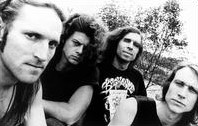
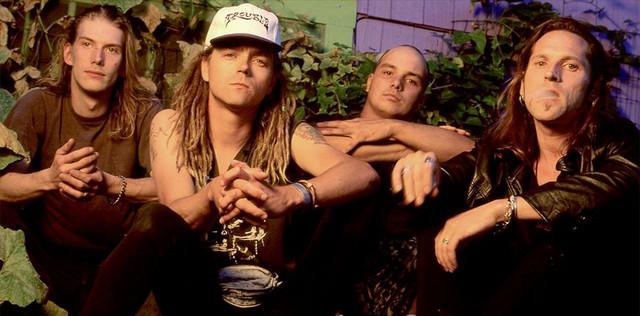
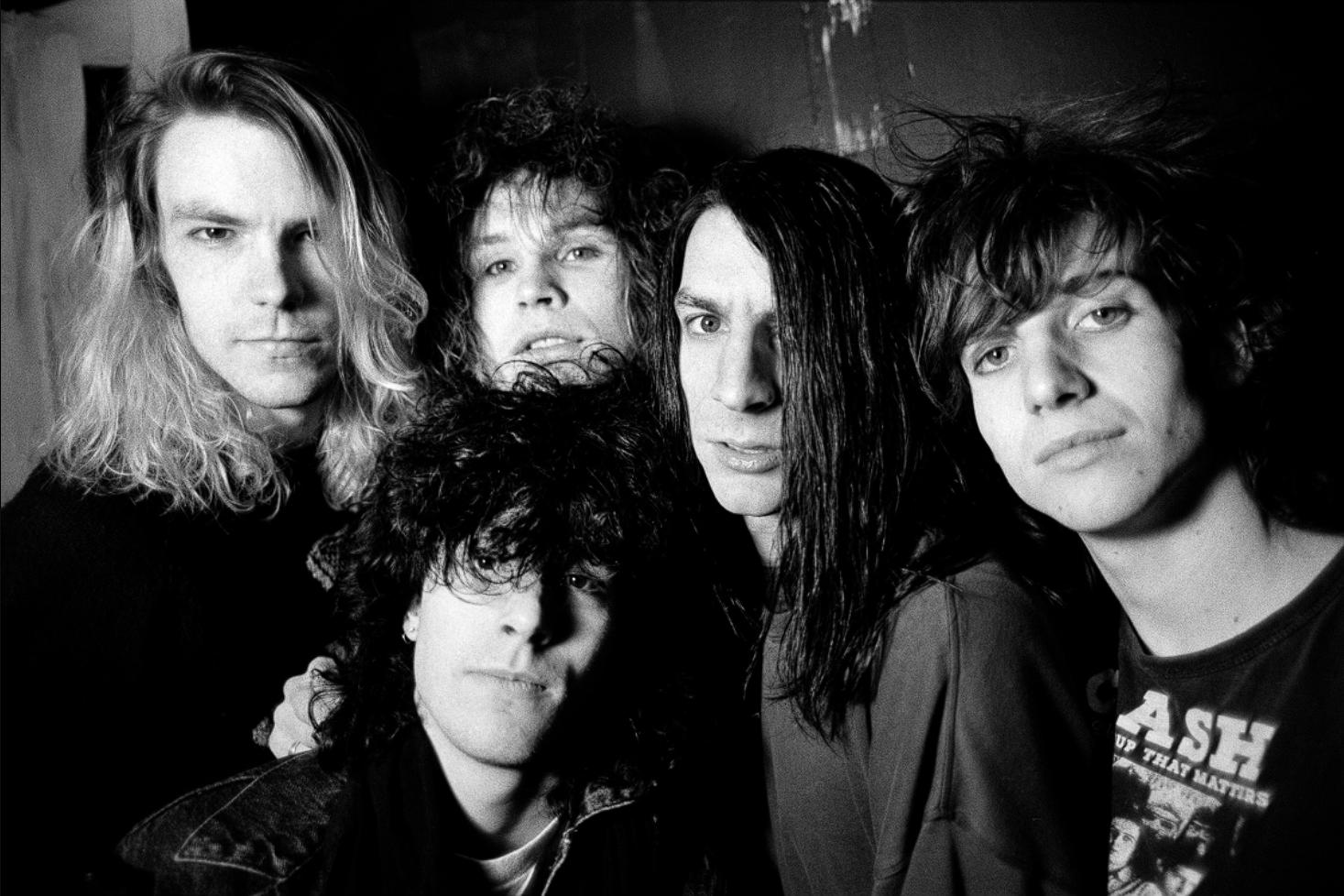
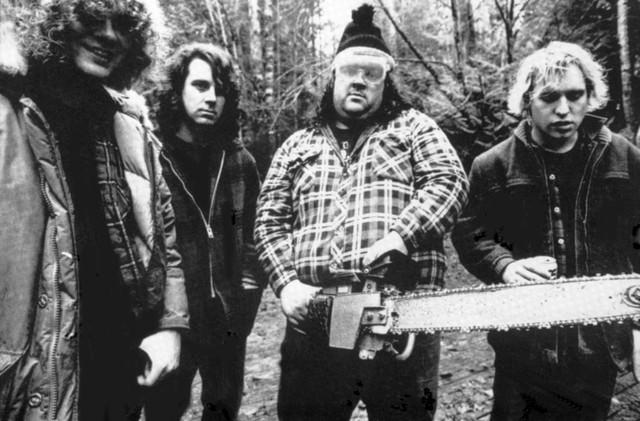
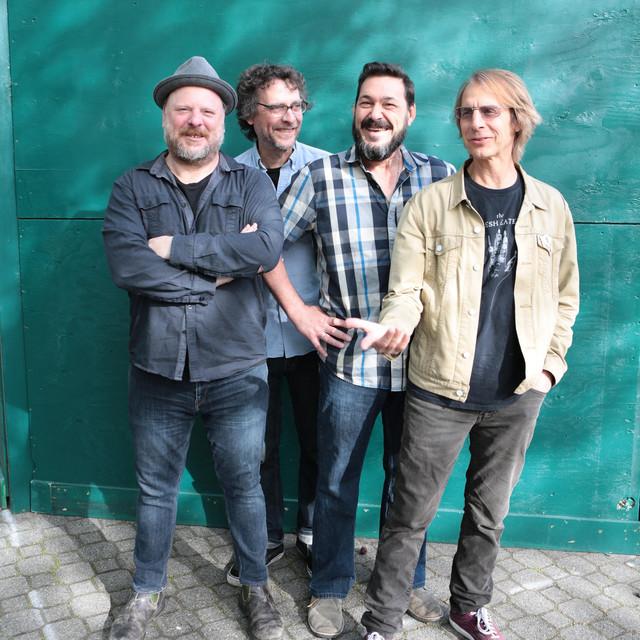
Love Battery’s Spotify BioAlong with Screaming Trees, Love Battery fell into the more psychedelic wing of Seattle grunge, adding a liberal dose of Beatlesque pop to the requisite hunks of mind-bending guitar fuzz. Formed in 1989, the band took its name from a Buzzcocks song, and originally included singer Ron Nine (born Ron Rudzitis, ex-Room Nine), guitarist Kevin Whitworth (ex-Crisis Party), bassist Jim Tillman (formerly of grunge forebears the U-Men), and Mudhoney drummer Dan Peters. Peters left in short order and was replaced by onetime Skin Yard drummer Jason Finn. In 1990, the band released its six-song debut EP, Between the Eyes, on Sub Pop. They tightened up their focus and approach for their first full-length, Dayglo, which was issued in 1992 to highly positive reviews. Bassist Tillman subsequently left the band and was at first replaced by Tommy Simpson, who stayed only a short time before moving on to Alcohol Funnycar. Simpson was in turn replaced by Bruce Fairweather, who'd previously played guitar… in two seminal Seattle bands, Green River and Mother Love Bone.
Fairweather made his debut on 1993's Far Gone, whose release was delayed several times over legal issues; it appeared to a disappointing reception. Around that time, Finn began doubling as the drummer for the Presidents of the United States of America. Despite the relative failure of Far Gone, Love Battery managed to score a major-label deal with Polygram affiliate Atlas Records in 1994, and issued the Nehru Jacket EP as an appetizer for their full-length bow. That arrived in the form of 1995's Straight Freak Ticket, after which Finn left the group to concentrate full-time on the Presidents, who had just signed with Columbia and were poised for breakout success.
Straight Freak Ticket failed to win Love Battery a larger audience, and they wound up leaving Atlas. New drummer Mike Musburger -- best known for his work with the Posies -- came and went, before founding member Dan Peters returned to give the group a new spark. It took some time to put together, but Confusion Au Go Go was finally released in 1999 on the Seattle indie label C/Z. It was generally hailed as a strong -- albeit belated -- return to form by the band's dwindling but still-present following. ~ Steve Huey, Rovi
Viberate is a music analytics platform built for A&Rs, artist managers, labels, booking agents, marketers, and artists.
It helps music professionals track artist growth, analyze audience data, monitor playlist activity, compare artists, follow song performance, and identify opportunities across the music market.
Public artist pages provide a free preview of selected artist data. Paid plans provide access to deeper analytics, historical data, charts, comparisons, playlist tools, exports, alerts, reports, and additional professional features.
Yes. Public Viberate artist pages provide selected artist analytics and music data for free.
Viberate also offers a 7-day free trial of the full platform. A credit card is required to start the trial. The trial includes access to the complete product so users can test deeper artist analytics, historical views, playlist insights, comparisons, charts, exports, alerts, and reporting features before choosing a paid plan.
Viberate provides artist analytics across streaming, playlists, social media, video, radio airplay, songs, and audience markets.
Users can analyze Spotify performance, Spotify and Apple Music playlists, YouTube activity, TikTok and Instagram growth, radio spins, song performance, audience locations, demographics, rankings, and overall artist momentum.
Artist profiles also connect to music charts, similar artists, and comparison tools, helping users benchmark performance and evaluate artists in context.
Viberate updates key artist and track data daily.
For followed artists and tracks, selected data is refreshed multiple times per day. This helps teams monitor playlist changes, streaming movement, audience growth, releases, and campaign performance with more current data.
Update frequency can vary depending on the metric and data source.
Yes. Viberate lets users compare up to five artists side by side across streaming, social media, audience, and engagement metrics.
Users can compare fanbase growth, audience demographics, locations, Spotify performance, social metrics, and other artist data over selected time periods.
Artist comparison can be used for A&R scouting, benchmarking, booking decisions, campaign planning, and evaluating artists with similar audiences or market positions.