Green River

Rock
Alternative Rock
Punk Rock
 Viberate Rank: 100590
 Viberate Rank: 100590
 Monthly ListenersFollowers
 Subscribers
 Followers
 Followers
 FansTop Spotify Songs
| Track | 7-Day Streams | |
|---|---|---|
1 | 11.62K | |
2 | 6.75K | |
3 | 2.90K | |
4 | 2.09K | |
5 | 1.64K |
Top YouTube VideosMonthly ListenersFeatured in Playlists| Playlist | Followers | |
|---|---|---|
1 |  Grunge Forever Spotify | 1.78M |
2 | GRUNGE zerubi | 80.90K |
3 |  David Bowie: Covered Spotify | 74.26K |
4 |  Grunge Greatest Hits 🎸 DJ DINO | 68.61K |
5 | Seattle Grunge Iain C Forbes | 43.89K |
Audience| City | Monthly Listeners | |
|---|---|---|
1 |  | 932 |
2 |  | 729 |
3 |  | 624 |
4 | | 615 |
5 | | 515 |
See full performance history, audience data, playlist activity, rankings, comparisons, and more in Viberate music analytics. Start with a free trial, then continue with a paid plan.
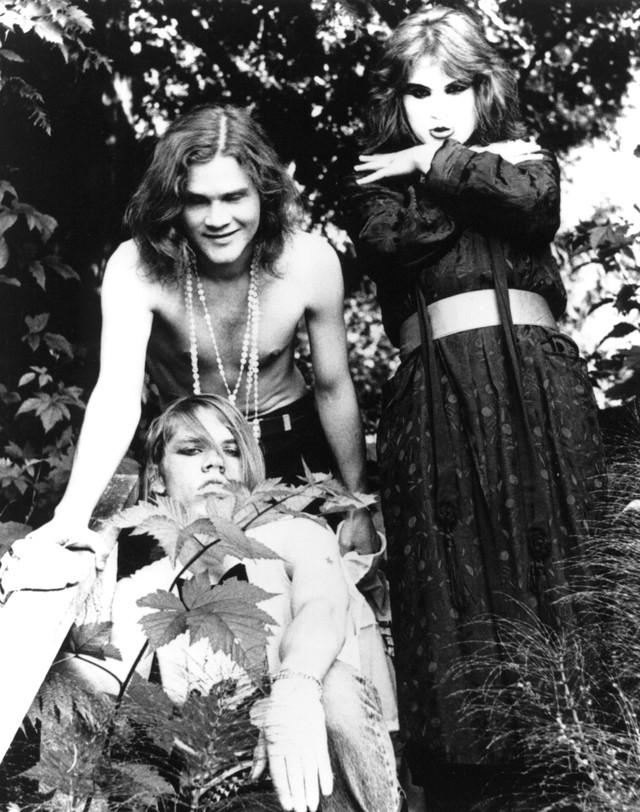
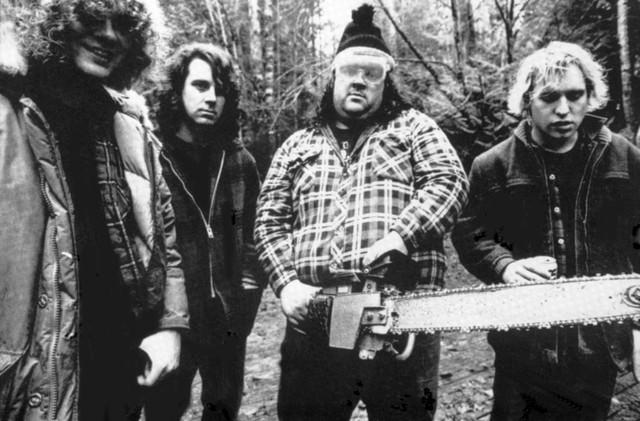
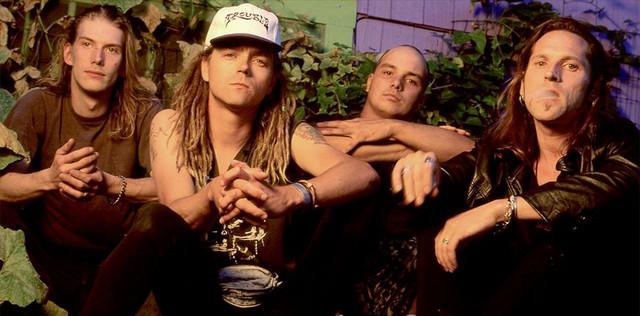
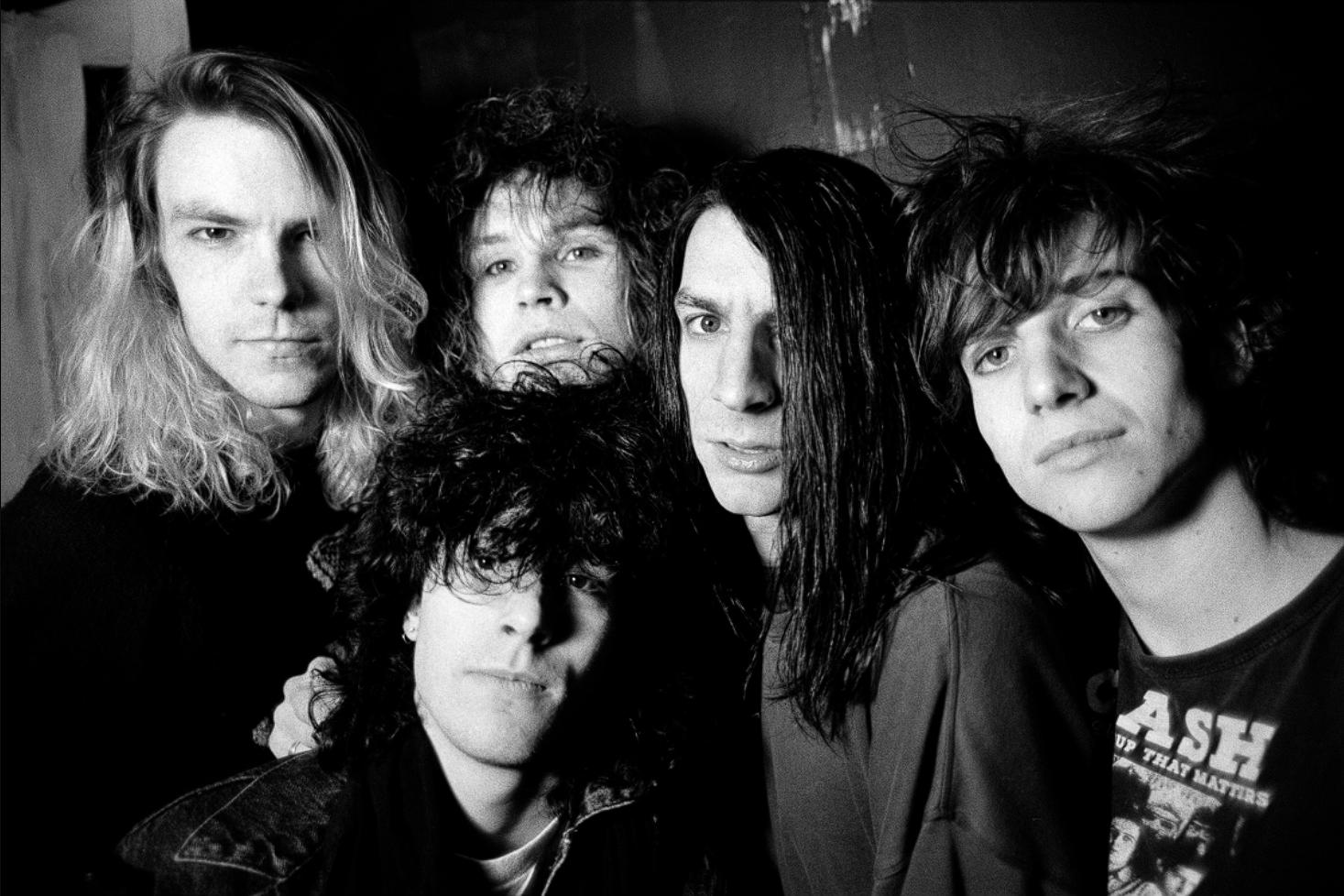
Green River’s Spotify BioGreen River were arguably the first Seattle grunge band, forming around the same time as the rest of Seattle's first wave (the Melvins, Soundgarden, and Malfunkshun) and codifying the primary elements of the sound. In 1985, they became the first grunge band to release a record, kickstarting the Seattle music scene and later helping to establish the Sub Pop label. Green River are even more famous for the bands that sprang from their breakup: Mudhoney and Mother Love Bone, the latter of which also contained the roots of Pearl Jam. Green River's lineage is generally better celebrated than their actual music, which helped lay out the blueprint for grunge. Green River specialized in a dirty, sludgy, gleefully ugly hybrid of punk, heavy metal, and bluesy hard rock, drawing from bands like the Stooges and Aerosmith in addition to the hardcore outfits where many of the members first cut their teeth. The band's hard rock leanings are most audible on the 1985 EP Come On Down, while their 1988… album Rehab Doll evened out the punk/metal proportions and most closely resembled the prototypical grunge sound that would explode in the '90s.
Green River formed in Seattle in 1984, taking their name from "the Green River Killer," a notorious serial killer who did his grim business in the Pacific Northwest from 1982 to 1998. Lead vocalist/guitarist Mark Arm and guitarist Steve Turner had previously played together in the local punk bands Mr. Epp and Strangers with Guns
Viberate is a music analytics platform built for A&Rs, artist managers, labels, booking agents, marketers, and artists.
It helps music professionals track artist growth, analyze audience data, monitor playlist activity, compare artists, follow song performance, and identify opportunities across the music market.
Public artist pages provide a free preview of selected artist data. Paid plans provide access to deeper analytics, historical data, charts, comparisons, playlist tools, exports, alerts, reports, and additional professional features.
Yes. Public Viberate artist pages provide selected artist analytics and music data for free.
Viberate also offers a 7-day free trial of the full platform. A credit card is required to start the trial. The trial includes access to the complete product so users can test deeper artist analytics, historical views, playlist insights, comparisons, charts, exports, alerts, and reporting features before choosing a paid plan.
Viberate provides artist analytics across streaming, playlists, social media, video, radio airplay, songs, and audience markets.
Users can analyze Spotify performance, Spotify and Apple Music playlists, YouTube activity, TikTok and Instagram growth, radio spins, song performance, audience locations, demographics, rankings, and overall artist momentum.
Artist profiles also connect to music charts, similar artists, and comparison tools, helping users benchmark performance and evaluate artists in context.
Viberate updates key artist and track data daily.
For followed artists and tracks, selected data is refreshed multiple times per day. This helps teams monitor playlist changes, streaming movement, audience growth, releases, and campaign performance with more current data.
Update frequency can vary depending on the metric and data source.
Yes. Viberate lets users compare up to five artists side by side across streaming, social media, audience, and engagement metrics.
Users can compare fanbase growth, audience demographics, locations, Spotify performance, social metrics, and other artist data over selected time periods.
Artist comparison can be used for A&R scouting, benchmarking, booking decisions, campaign planning, and evaluating artists with similar audiences or market positions.