Malfunkshun

Rock
Alternative Rock
Hard Rock
 Viberate Rank: 174043
 Viberate Rank: 174043
 Monthly ListenersFollowers
 Subscribers
 Followers
 Followers
 FansTop Spotify Songs
| Track | 7-Day Streams | |
|---|---|---|
1 | 7.03K | |
2 | 713 | |
3 | 565 | |
4 | 402 | |
5 | 388 |
Top YouTube VideosMonthly ListenersFeatured in Playlists| Playlist | Followers | |
|---|---|---|
1 |  Grunge Forever Spotify | 1.78M |
2 | GRUNGE zerubi | 80.90K |
3 |  Grunge Greatest Hits 🎸 DJ DINO | 68.61K |
4 | Seattle Grunge Iain C Forbes | 43.89K |
5 |  100 BEST GRUNGE SONGS Juan Ceñal | 29.08K |
Audience| City | Monthly Listeners | |
|---|---|---|
1 |  | 539 |
2 |  | 308 |
3 |  | 238 |
4 | | 224 |
5 | | 200 |
See full performance history, audience data, playlist activity, rankings, comparisons, and more in Viberate music analytics. Start with a free trial, then continue with a paid plan.
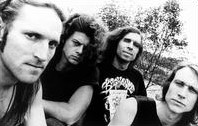
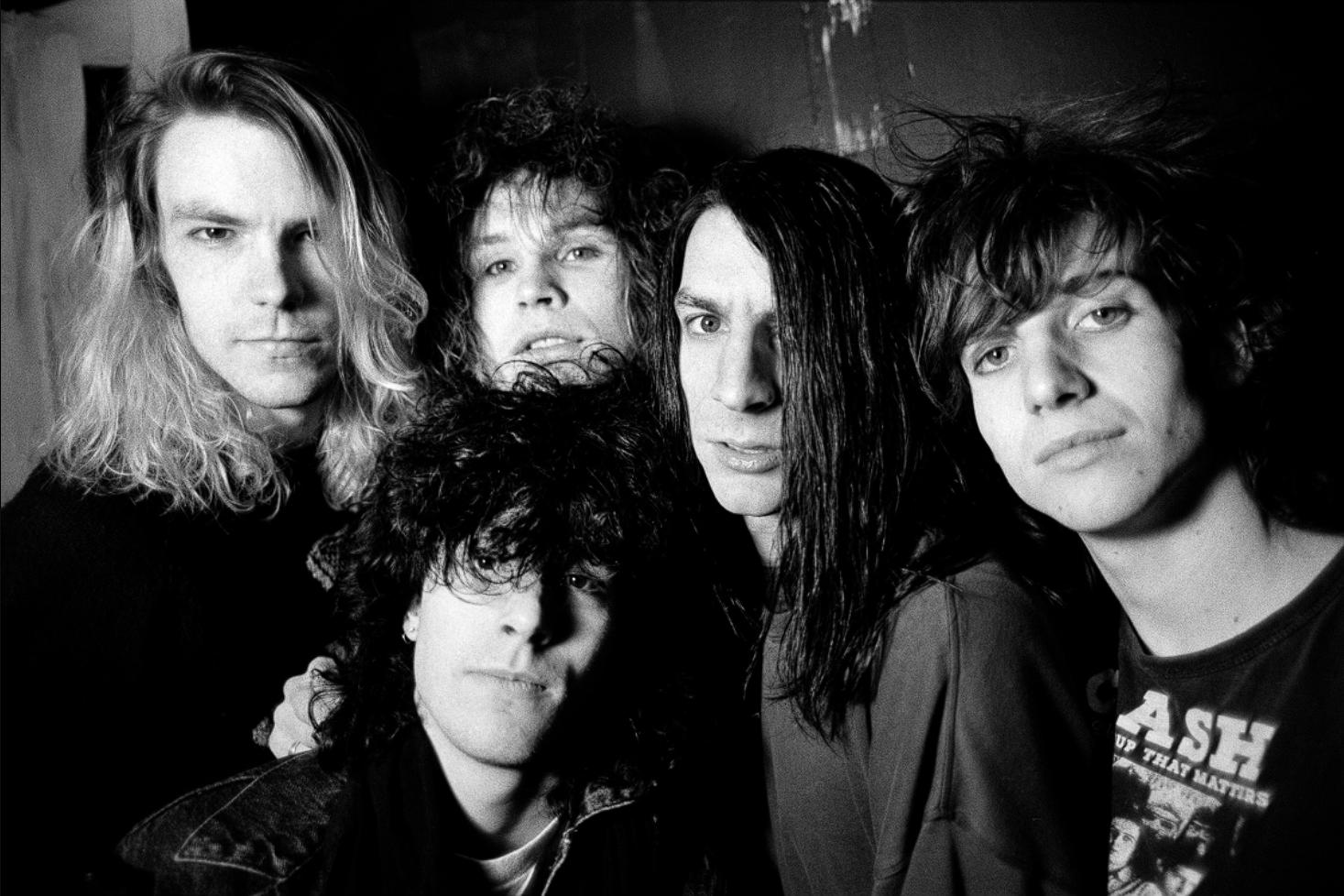
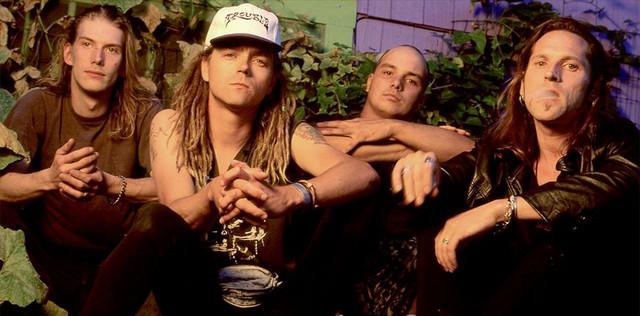
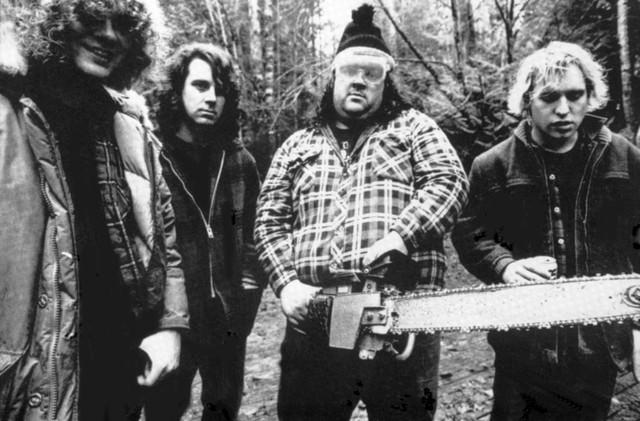
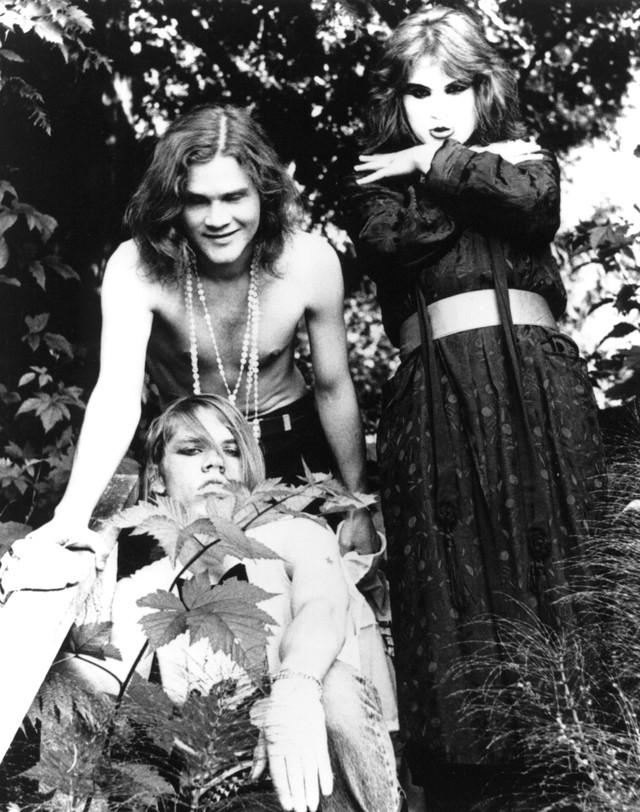
Malfunkshun’s Spotify BioAlong with Green River, '80s Seattle-band Malfunkshun is often cited as a founding father of the northwest grunge phenomenon of the early '90s. Unlike many future Seattle stars, the band and charismatic frontman Andrew Wood had ambitions for arena-sized rock stardom. But the band's sound, which combined the big hooks and anthemic choruses of heavy metal with the spirit of punk, had a profound effect on many future grunge superstars of the early '90s.
Malfunkshun gained attention in the mid-'80s thanks to Wood's dynamic stage presence as a glammed-out rock & roll god, equal parts Marc Bolan and Jim Morrison. Each member of the band adopted an on-stage alter ego. Wood's older brother, guitarist Kevin Wood, became Kevinstein, drummer Regan Hagar became Thundarr, and Andrew became known as Landrew the Love Child. By the mid-'80s, Andrew was relying heavily on drugs to fuel his self-created rock star persona and to compensate for his innate shyness; he entered rehab in 1985, but his problems… with drugs were far from over. In 1986, Malfunkshun was one of six bands featured on the C/Z Records compilation titled Deep Six. Two of the band's tracks, "With Yo Heart (Not Yo Hands)" and "Stars-n-You," appeared on this album, along with efforts by fellow northwest grunge pioneers Green River, the Melvins, Soundgarden, the U-Men, and Skin Yard. This compilation is widely considered the first recorded document of grunge. With the exposure the band received from Deep Six, they soon found themselves opening for local Seattle legends like Soundgarden, the U-Men, and Skin Yard.
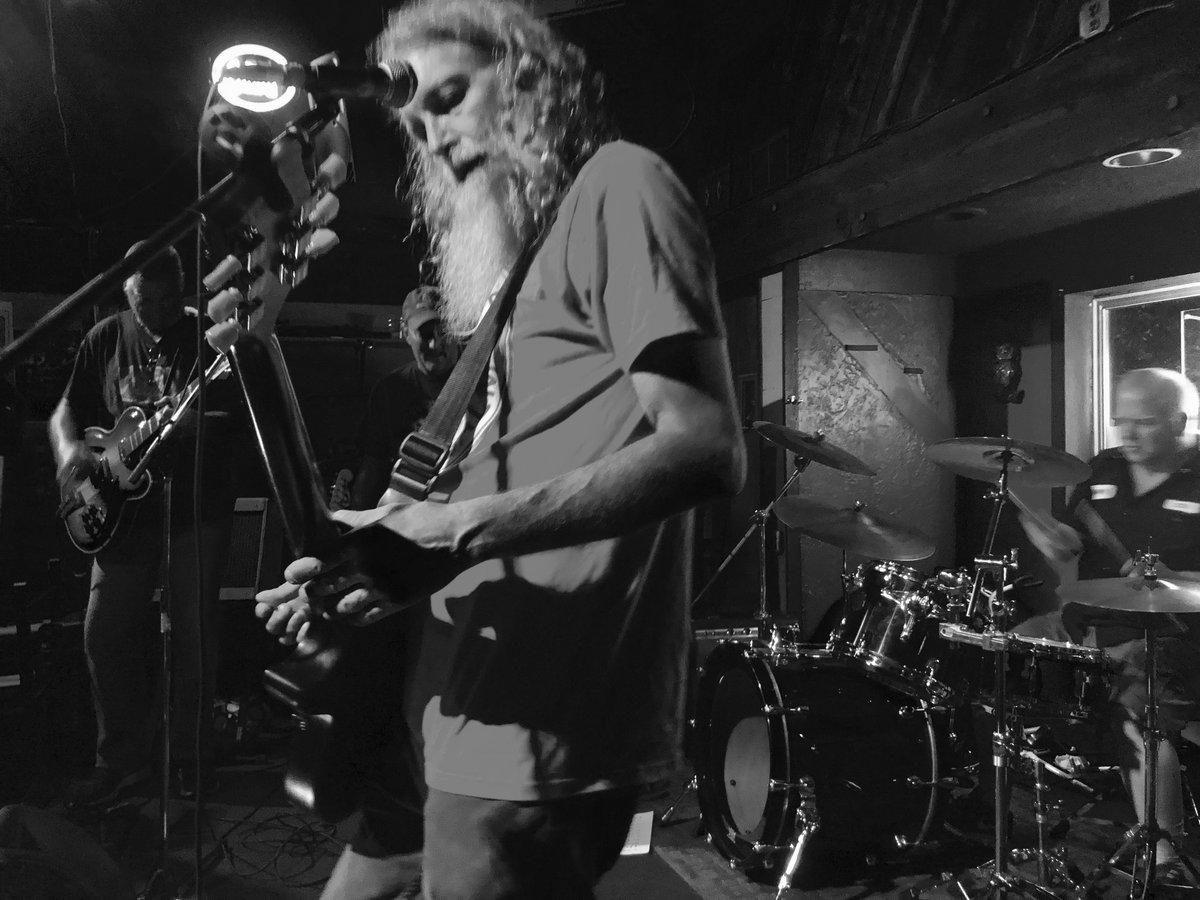
By late 1987 and early 1988, Malfunkshun was over. Andrew was living in Seattle and spending a lot of time with former Green River and future Pearl Jam members Stone Gossard and Jeff Ament. Wood, Ament, and Gossard's involvement in multiple Seattle bands was typical of grunge's incestuous lineage. They performed occasionally as a cover band called Lords of the Wasteland. They also began writing original material that would later surface in the form of Mother Love Bone, the band they would form in 1988. Sadly, Andrew Wood became a casualty of heroin, Seattle's drug of choice, and died of an overdose in March of 1990 just before Mother Love Bone's major-label debut Apple was to be released. Although the band never released a proper album, Return to Olympus, a collection of Malfunkshun's eight-track studio demos as well as some four-track recordings by Andrew, was released by former bandmate Stone Gossard on his Loosegroove label in 1995. Ten years later, a documentary called Malfunkshun: The Andrew Wood Story started playing film festivals, debuting at the Seattle International Film Festival. It eventually saw home video release in 2011 as part of a Hip-O Select box set named after the film, and also included the Return to Olympus disc and unreleased Andrew Wood recordings. Originally released in 2006 by Kevin Wood & from the North, 2017's EMP-issued Monument featured new music written and performed by original Malfunkshun members Kevin Wood and Regan Hagar, with bassist Cory Kane and vocalist Shawn Smith, to lyrics written by the late Andrew Wood. ~ Paul Tinelli, Rovi
Viberate is a music analytics platform built for A&Rs, artist managers, labels, booking agents, marketers, and artists.
It helps music professionals track artist growth, analyze audience data, monitor playlist activity, compare artists, follow song performance, and identify opportunities across the music market.
Public artist pages provide a free preview of selected artist data. Paid plans provide access to deeper analytics, historical data, charts, comparisons, playlist tools, exports, alerts, reports, and additional professional features.
Yes. Public Viberate artist pages provide selected artist analytics and music data for free.
Viberate also offers a 7-day free trial of the full platform. A credit card is required to start the trial. The trial includes access to the complete product so users can test deeper artist analytics, historical views, playlist insights, comparisons, charts, exports, alerts, and reporting features before choosing a paid plan.
Viberate provides artist analytics across streaming, playlists, social media, video, radio airplay, songs, and audience markets.
Users can analyze Spotify performance, Spotify and Apple Music playlists, YouTube activity, TikTok and Instagram growth, radio spins, song performance, audience locations, demographics, rankings, and overall artist momentum.
Artist profiles also connect to music charts, similar artists, and comparison tools, helping users benchmark performance and evaluate artists in context.
Viberate updates key artist and track data daily.
For followed artists and tracks, selected data is refreshed multiple times per day. This helps teams monitor playlist changes, streaming movement, audience growth, releases, and campaign performance with more current data.
Update frequency can vary depending on the metric and data source.
Yes. Viberate lets users compare up to five artists side by side across streaming, social media, audience, and engagement metrics.
Users can compare fanbase growth, audience demographics, locations, Spotify performance, social metrics, and other artist data over selected time periods.
Artist comparison can be used for A&R scouting, benchmarking, booking decisions, campaign planning, and evaluating artists with similar audiences or market positions.