Tad

Rock
Alternative Rock
 Viberate Rank: 93188
 Viberate Rank: 93188
 Monthly ListenersFollowers
 Subscribers
 Followers
 Followers
 FansTop Spotify Songs
| Track | 7-Day Streams | |
|---|---|---|
1 | 18.12K | |
2 | 7.98K | |
3 | 7.02K | |
4 | 4.00K | |
5 | 2.91K |
Top YouTube Videos| Video | 7-Day Views | |
|---|---|---|
1 | 89 | |
2 | 12 | |
3 | 6 | |
4 | 4 |
Monthly ListenersFeatured in Playlists| Playlist | Followers | |
|---|---|---|
1 |  Grunge Forever Spotify | 1.78M |
2 | GRUNGE zerubi | 80.90K |
3 |  Grunge Greatest Hits 🎸 DJ DINO | 68.61K |
4 |  Beef Official Playlist Spotify | 37.73K |
5 |  100 BEST GRUNGE SONGS Juan Ceñal | 29.08K |
Audience| City | Monthly Listeners | |
|---|---|---|
1 |  | 2.44K |
2 |  | 1.41K |
3 | | 1.40K |
4 |  | 1.35K |
5 |  | 1.11K |
See full performance history, audience data, playlist activity, rankings, comparisons, and more in Viberate music analytics. Start with a free trial, then continue with a paid plan.
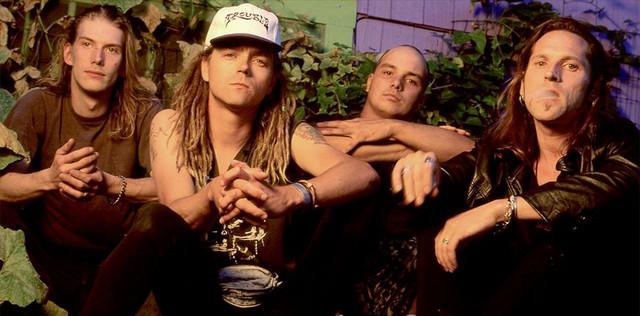
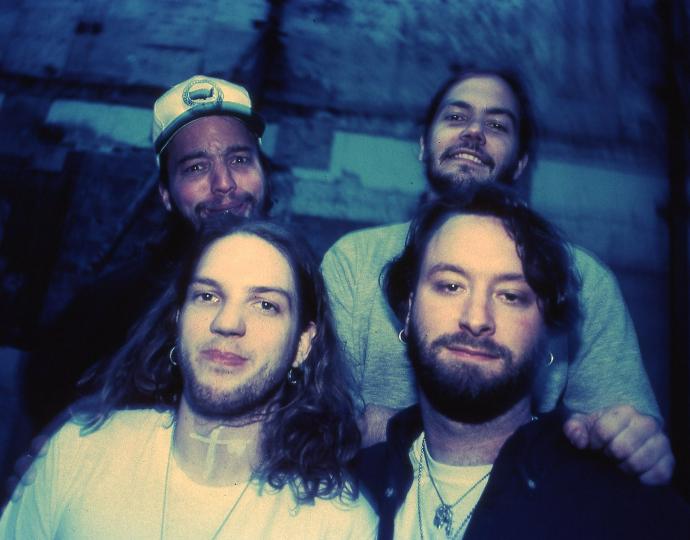
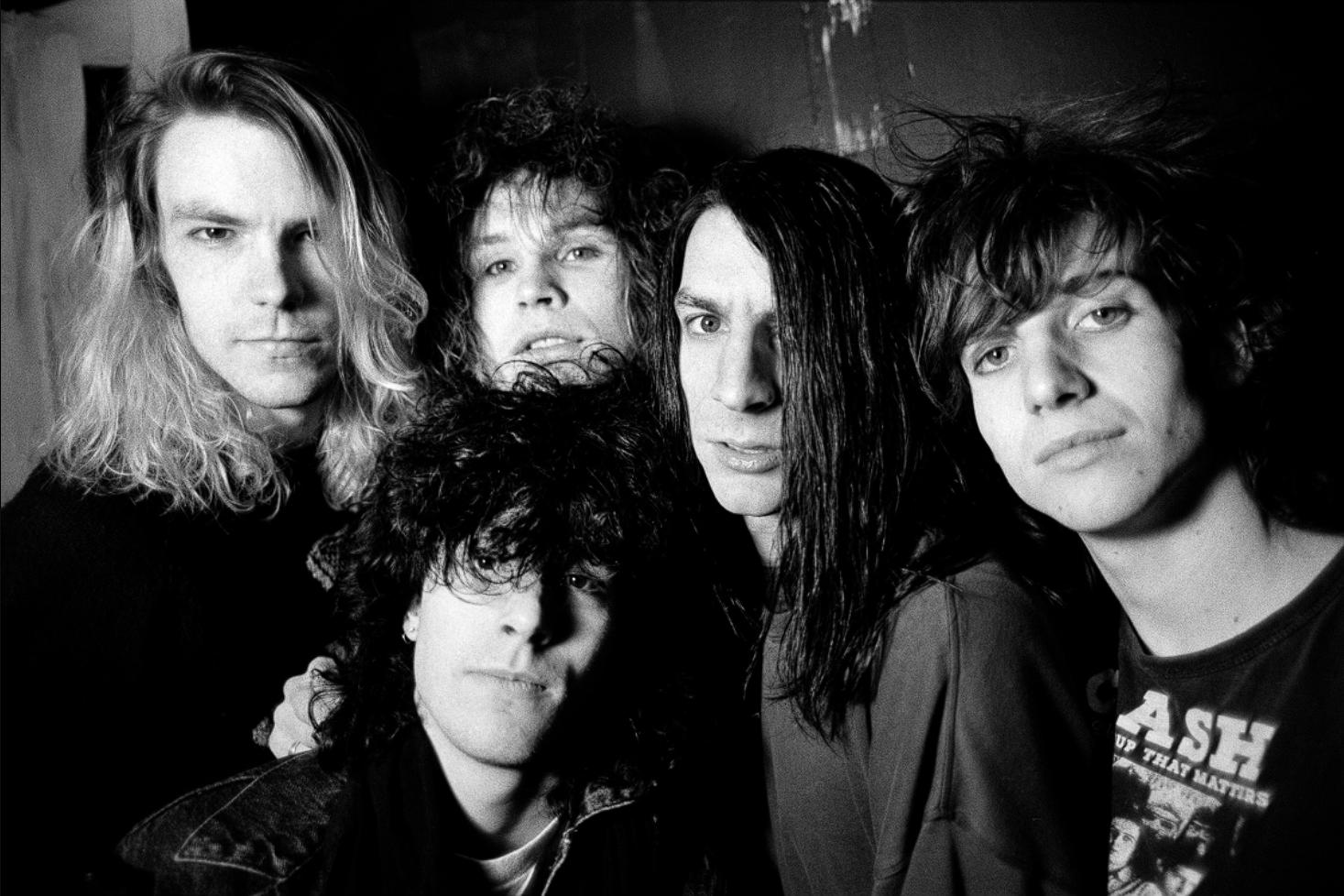
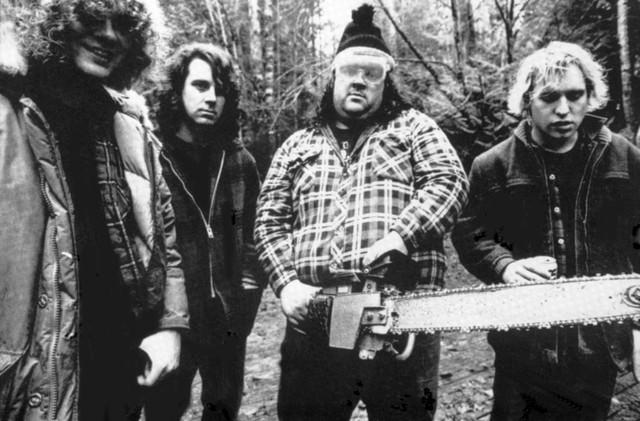
Tad’s Spotify BioTad were arguably the heaviest of the major Seattle grunge bands, fashioning a loud, lumbering grind that -- unlike many of their peers -- was inspired far more by '70s metal than punk, with a side portion of noise rock tossed in. Less tuneful and accessible than grunge's biggest names, Tad's music simply steamrolled over everything in its way, which likely contributed to their being the last homegrown band on Sub Pop's grunge-era roster to snag a major-label deal. Although the whole band dressed like Northwestern lumberjacks, their redneck image chiefly came courtesy of 300-pound frontman Tad Doyle; their publicity usually emphasized Doyle's previous job as a butcher, and his lyrics often sent up local white-trash culture (though he was actually college educated, as were his bandmates in the group's original lineup). Tad's sound evolved over the course of their run, with varying amounts of melody entering into the picture, but the group's sound was always loud, punishing, and heavy,… and when grunge began to fall out of favor, it helped take the band down with it.
Tad was formed in Seattle in 1988 by lead vocalist/guitarist Tad Doyle (born Thomas A. Doyle in Boise, Idaho) and bassist Kurt Danielson, who had previously played together in a group called Bundle of Hiss. They added guitarist Gary Thorstensen (ex-Treeclimbers) and one-time Skin Yard drummer Steve Wied to complete the lineup. Tad had earlier recorded a single in which he played all the instruments and performed all the vocals, "Daisy" b/w "Ritual Device." Sub Pop had released the 7", and they quickly struck a deal with his new band. Their debut album, the assaultive God's Balls, was released in 1989 and produced by Jack Endino, who had worked with Wied in Skin Yard. Songs like "Satan's Chainsaw," "Pork Chop," and "Nipple Belt" established the band's collective persona, and they supported the record as Nirvana's opening act on the Bleach tour. Their follow-up, the 1990 EP Salt Lick, was recorded during a three-day visit to Chicago, with noisemeister Steve Albini in the producer's chair.
After extensive live work, including European tours with then-labelmates Nirvana and Mudhoney, the band had amassed plenty of material and were ready to record their third album. Switching producers once again, Tad turned in their most melodic Sub Pop album under the guidance of Butch Vig (of Nevermind fame) with 1991's 8-Way Santa, which spawned the tongue-in-cheek single "Jack Pepsi." However, the cover soon landed Tad and Sub Pop in legal hot water. The original cover photo of a hippie-looking man fondling a woman's breast had been found at a garage sale, and used without clearance. When the woman in the photo discovered the record, she filed a lawsuit and Sub Pop was forced to recall all copies of the album, later repackaging it with a new sleeve. At roughly the same time, the cover of the "Jack Pepsi" single featured a parody of the Pepsi-Cola logo, leading the soft drink manufacturer to also file suit, stalling the album's progress even further.
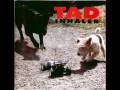
Despite their legal problems, Tad was enjoying a growing cult following, boosted by Doyle's brief cameo in Cameron Crowe's Seattle-based romantic comedy Singles. (The band's song "Jinx" was also heard in the film, though it didn't make the soundtrack album.) Tad was offered a major-label contract by Warner Bros subsidiary Giant, but drummer Wied exited the group before they began work on their next album. After touring with Rey Washam of Scratch Acid on drums, Josh Sinder, formerly of hardcore punkers the Accused, became Wied's full-time replacement in time for Tad's major-label debut, Inhaler. Produced by Dinosaur Jr.'s J Mascis and issued in 1993, Inhaler failed to make the band into breakout stars, despite an opening slot on tour with Soundgarden. Compounding their disappointing sales was Giant's displeasure at a controversial promo poster for the album, which featured a picture of Bill Clinton holding a joint with the caption "This is heavy sh*t."
Giant unceremoniously dropped Tad from its roster, and guitarist Thorstensen left in 1994, reducing the band to a trio. They subsequently recorded Live Alien Broadcasts, a live-in-the-studio look back over their career that was released by the MCA-distributed Futurist Records in 1995. They secured a third major-label shot with Elektra subsidiary EastWest, which released Infrared Riding Hood later in 1995. However, the A&R executive who had signed Tad to EastWest was fired midway through recording, and the label opted to drop all the bands the exec had worked with. As a consequence, Tad were cut from the label's roster the same week Infrared Riding Hood arrived in stores. Promotion was negligible, and the album sank without a trace.
Without a label, Tad released a pair of indie singles and kept gigging for a few years afterward; Sinder left in 1997, later joining the band Willard, and was replaced by ex-Foil member Mike Mongrain. However, Tad finally gave up the ghost in 1998. Kurt Danielson joined up with the Screaming Trees/Mudhoney side project Valis, while Tad Doyle formed a new group, Hog Molly, which released an album called Kung-Fu Cocktail Grip in 2001. Hog Molly broke up shortly after the album came out, and Doyle next fronted a short-lived band called Hoof. In 2008, he formed Brothers of the Sonic Cloth, who became a fixture on the Seattle rock scene. In 2013, at a Seattle festival celebrating Sub Pop's 25th anniversary, Brothers of the Sonic Cloth invited Gary Thorstensen on-stage to play a selection of Tad's best-known tunes. In 2016, Sub Pop reissued God's Balls, Salt Lick, and 8-Way Santa in expanded editions, all remastered by Jack Endino. ~ Steve Huey & Mark Deming
Viberate is a music analytics platform built for A&Rs, artist managers, labels, booking agents, marketers, and artists.
It helps music professionals track artist growth, analyze audience data, monitor playlist activity, compare artists, follow song performance, and identify opportunities across the music market.
Public artist pages provide a free preview of selected artist data. Paid plans provide access to deeper analytics, historical data, charts, comparisons, playlist tools, exports, alerts, reports, and additional professional features.
Yes. Public Viberate artist pages provide selected artist analytics and music data for free.
Viberate also offers a 7-day free trial of the full platform. A credit card is required to start the trial. The trial includes access to the complete product so users can test deeper artist analytics, historical views, playlist insights, comparisons, charts, exports, alerts, and reporting features before choosing a paid plan.
Viberate provides artist analytics across streaming, playlists, social media, video, radio airplay, songs, and audience markets.
Users can analyze Spotify performance, Spotify and Apple Music playlists, YouTube activity, TikTok and Instagram growth, radio spins, song performance, audience locations, demographics, rankings, and overall artist momentum.
Artist profiles also connect to music charts, similar artists, and comparison tools, helping users benchmark performance and evaluate artists in context.
Viberate updates key artist and track data daily.
For followed artists and tracks, selected data is refreshed multiple times per day. This helps teams monitor playlist changes, streaming movement, audience growth, releases, and campaign performance with more current data.
Update frequency can vary depending on the metric and data source.
Yes. Viberate lets users compare up to five artists side by side across streaming, social media, audience, and engagement metrics.
Users can compare fanbase growth, audience demographics, locations, Spotify performance, social metrics, and other artist data over selected time periods.
Artist comparison can be used for A&R scouting, benchmarking, booking decisions, campaign planning, and evaluating artists with similar audiences or market positions.