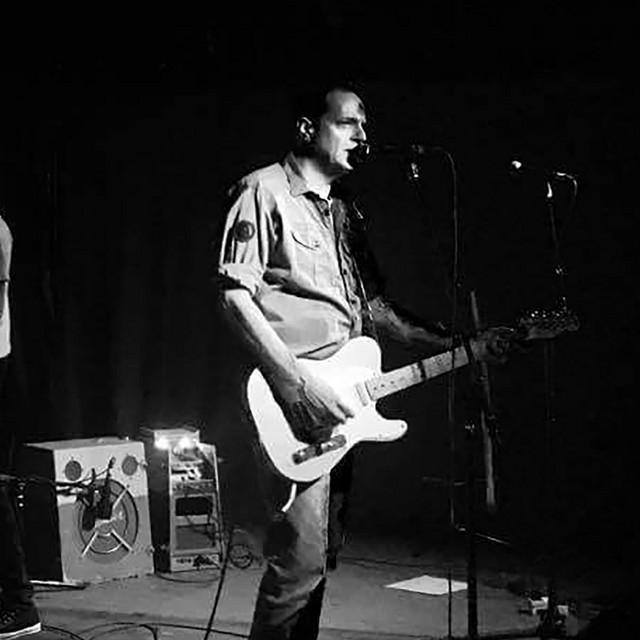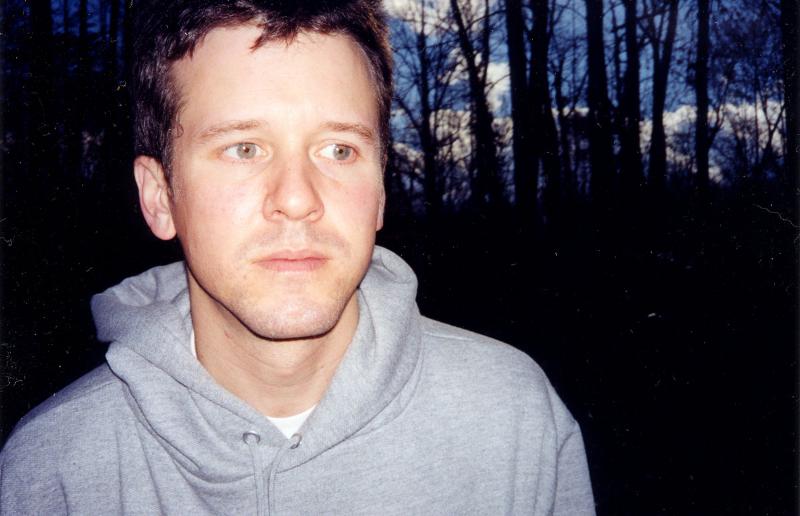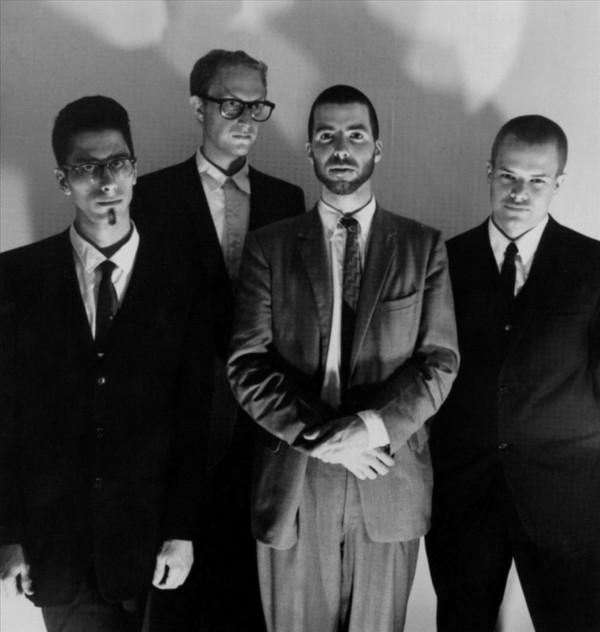
Robert Pollard

Rock
Alternative Rock
Power Pop
 Viberate Rank: 191319
 Viberate Rank: 191319
 Monthly ListenersFollowers
 Subscribers
 Followers
 Followers
 FansTop Spotify Songs
| Track | 7-Day Streams | |
|---|---|---|
1 | 990 | |
2 | 543 | |
3 | 373 | |
4 | 273 | |
5 | 224 |
Top YouTube VideosMonthly ListenersFeatured in Playlists| Playlist | Followers | |
|---|---|---|
1 |  Duyster (all tracks ever played) Wike | 8.15K |
2 |  the jangle pop masterlist Arielle | 5.96K |
3 |  Off Your Face anton newcombe | 5.86K |
4 |  Aquarium Drunkard: Decade / 2005-2015 Aquarium Drunkard | 4.42K |
5 |  Studio Brussel: duyster (all tracks ever played) Studio Brussel | 3.29K |
Audience| City | Monthly Listeners | |
|---|---|---|
1 | | 164 |
2 | | 156 |
3 | | 131 |
4 | | 128 |
5 | | 99 |
See full performance history, audience data, playlist activity, rankings, comparisons, and more in Viberate music analytics. Start with a free trial, then continue with a paid plan.
Robert Pollard’s Spotify BioEven with the dumbfoundingly prolific output of his main band, Guided by Voices founder and vocalist Robert Pollard still manages to bring his bizarre mix of classic rock fundamentals, sci-fi weirdness, and psychedelic thinking to a hearty discography of solo work. Even though Pollard's songwriting serves as the core of GbV, his solo output has been informed at least in part by the band's activity. His first proper solo album, Not in My Airforce arrived in 1996 after a major disruption in the band's lineup, and from that point on new records arrived in fits and starts, often as an outlet for songs too outlandish or experimental for GbV albums. Certain phases found Pollard just as productive as his band, steadily releasing new LPs between 2004 and 2013, including standouts like 2006's Normal Happiness and 2012's Mouseman Cloud. In 2022, Pollard culled songs from two out-of-print albums for a remastered, streamlined re-release entitled Our Gaze.
Pollard was born on October 31, 1957, in… Dayton, Ohio. As a child, he was groomed by his father to become a professional athlete, and pitched a no-hitter for his high-school baseball team, but in college he realized that music meant more to him than sports. Pollard formed Guided by Voices in Dayton in 1983 while working part-time at an elementary school. His love for British Invasion records, as well as an admiration for progressive rock and R.E.M.'s murky jangle, sculpted the band's early LPs, all of which Pollard, his brother, and the group's manager financed by requesting a loan from the Dayton Public Schools Credit Union.
Although Pollard remained at the helm, Guided by Voices had a continuously changing lineup in the '80s and '90s. In 1996, following Pollard's decision to fire the other members of Guided by Voices and replace them with members of the group Cobra Verde, he released his solo debut, Not in My Airforce, and as GbV became increasingly popular, Pollard began using his solo releases as a platform for his more esoteric musical ideas.
In 2004, Pollard announced he was retiring Guided by Voices and relaunching himself as a solo artist. Signing with Merge Records, Pollard released his first post-GbV album, From a Compound Eye, in early 2006, and a second album, Normal Happiness, appeared a few months later. By the end of 2007, Pollard parted ways with Merge and formed his own label, Guided by Voices Inc., which soon spawned offshoot imprints such as Prom Is Coming Records, Record Company Records, Fading Captain Records, and Rockathon Records, allowing him to release as much new music as he pleased. Between the near constant flow of solo material and his collaborations with the Keane Brothers, Circus Devils, Boston Spaceships, and other ad hoc bands, Pollard released 14 albums, ten singles, and four EPs from 2008 to 2010, more than many of his peers would release in their entire careers. In 2010, Pollard got back in touch with his inner jock when he scored 4,192, a documentary about legendary Cincinnati Reds hitter Pete Rose; earlier that same year, Pollard was inducted into the Northridge High School Hall of Fame for his teenage skills on the diamond, and as Pollard told a reporter, "You could make a lot of money on a bar bet: 'One of these two men is in a baseball hall of fame. Can you guess who?'"
In 2010, Pollard surprised many by reuniting the "classic lineup" of Guided by Voices -- Pollard, Tobin Sprout, Mitch Mitchell, Greg Demos, and Kevin Fennell -- for a handful of live shows. As the concerts quickly became sellouts, Guided by Voices added more dates, and in 2012 GbV confirmed their reunion was semi-permanent when they cut a new album, Let's Go Eat the Factory, released by Pollard's GbV Inc. label. Three more GbV albums appeared within the space of 12 months -- Class Clown Spots a UFO, The Bears for Lunch, and English Little League -- while the band played occasional live shows and Pollard remained furiously prolific as a solo artist, releasing two solo albums a year in 2011 and 2012.
In the fall of 2013, the "classic lineup" of Guided by Voices splintered when drummer Kevin Fennell was either fired (according to Pollard) or resigned (according to Fennell) after a bizarre incident in which Fennell unsuccessfully attempted to sell his drum kit online for $55,000. While fans waited on the group's future, they had plenty to keep them occupied: in December 2013, Pollard released another solo set, Blazing Gentlemen, in which he claimed to be experimenting with more traditional songwriting techniques, while in the months that followed he scheduled another solo single, two LPs with the Circus Devils (When Machines Attack and My Mind Has Seen the White Trick), and yet another GbV album, Motivational Jumpsuit, with Kevin March on drums.
In September 2014, months after the release of GbV's Cool Planet, Guided by Voices unexpectedly announced they were canceling all tour dates as the band had once again broken up, but that did little to slow down the notoriously prolific Pollard; he launched yet another ad hoc group, Ricked Wicky, with the February 2015 album I Sell the Circus, and May 2015 saw the release of a Pollard solo set, Faulty Superheroes. In March 2016, Pollard released a new solo set, Of Course You Are, in which he wrote and sang all the songs, and all the instrumental work was handled by Nick Mitchell of Ricked Wicky. Around the same time, Pollard also announced that a new lineup of Guided by Voices would be touring in 2016. His solo work slowed down (relatively speaking) from there, with only a few solo EPs surfacing while the band was in full swing in the studio and on the road. In 2022, Pollard revisited two of his long out-of-print solo albums from 2007, Standard Gargoyle Decisions and Coast to Coast Carpet of Love, picked the best material from them and assembled a condensed new version under the title Our Gaze. The reworked, remastered re-release was trimmed from its original 33 songs to a lithe 15-song track listing and Our Gaze was released in May of 2022. ~ Michael Sutton, Rovi
Viberate is a music analytics platform built for A&Rs, artist managers, labels, booking agents, marketers, and artists.
It helps music professionals track artist growth, analyze audience data, monitor playlist activity, compare artists, follow song performance, and identify opportunities across the music market.
Public artist pages provide a free preview of selected artist data. Paid plans provide access to deeper analytics, historical data, charts, comparisons, playlist tools, exports, alerts, reports, and additional professional features.
Yes. Public Viberate artist pages provide selected artist analytics and music data for free.
Viberate also offers a 7-day free trial of the full platform. A credit card is required to start the trial. The trial includes access to the complete product so users can test deeper artist analytics, historical views, playlist insights, comparisons, charts, exports, alerts, and reporting features before choosing a paid plan.
Viberate provides artist analytics across streaming, playlists, social media, video, radio airplay, songs, and audience markets.
Users can analyze Spotify performance, Spotify and Apple Music playlists, YouTube activity, TikTok and Instagram growth, radio spins, song performance, audience locations, demographics, rankings, and overall artist momentum.
Artist profiles also connect to music charts, similar artists, and comparison tools, helping users benchmark performance and evaluate artists in context.
Viberate updates key artist and track data daily.
For followed artists and tracks, selected data is refreshed multiple times per day. This helps teams monitor playlist changes, streaming movement, audience growth, releases, and campaign performance with more current data.
Update frequency can vary depending on the metric and data source.
Yes. Viberate lets users compare up to five artists side by side across streaming, social media, audience, and engagement metrics.
Users can compare fanbase growth, audience demographics, locations, Spotify performance, social metrics, and other artist data over selected time periods.
Artist comparison can be used for A&R scouting, benchmarking, booking decisions, campaign planning, and evaluating artists with similar audiences or market positions.