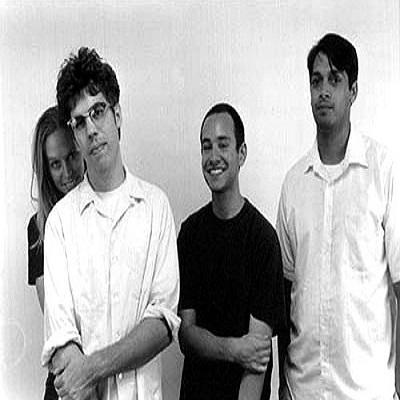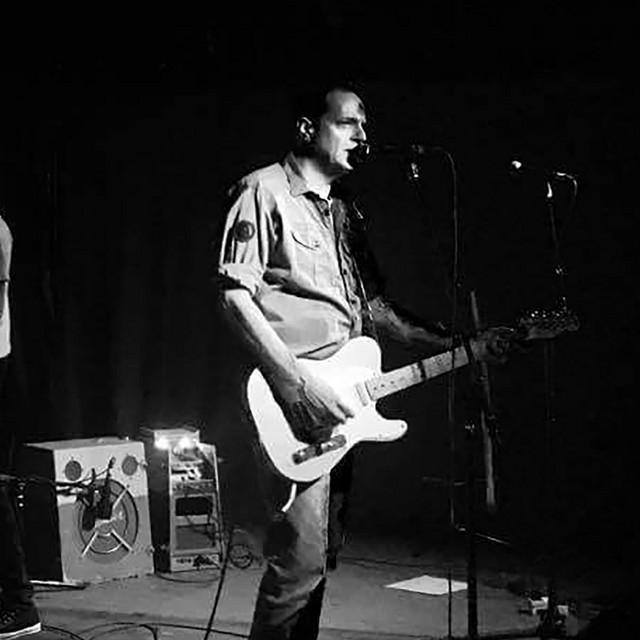
Tobin Sprout

Rock
Alternative Rock
Indie Rock
 Viberate Rank: 274261
 Viberate Rank: 274261
 Monthly ListenersFollowers
 Subscribers
 Followers
 Followers
 FansTop Spotify Songs
| Track | 7-Day Streams | |
|---|---|---|
1 | 692 | |
2 | 659 | |
3 | 491 | |
4 | 480 | |
5 | 349 |
Top YouTube VideosMonthly ListenersFeatured in Playlists| Playlist | Followers | |
|---|---|---|
1 |  Social Distancing Distortion Matt Berninger | 35.86K |
2 | Lee Moore | 16.03K |
3 |  the jangle pop masterlist Arielle | 5.96K |
4 | Crap Eyewear Radio 📻 (Archived: 2021-2026) Crap Eyewear | 2.36K |
5 |  Alternative Rock / Indie Rock (2026) Daily Fresh Finds | 2.14K |
Audience| City | Monthly Listeners | |
|---|---|---|
1 | | 197 |
2 | | 180 |
3 | | 156 |
4 | | 152 |
5 | | 135 |
See full performance history, audience data, playlist activity, rankings, comparisons, and more in Viberate music analytics. Start with a free trial, then continue with a paid plan.
Tobin Sprout’s Spotify BioLo-fi pop pioneer Tobin Sprout brought blithe vocal harmonies and angular melodic songwriting as a participant in some of Guided by Voices' best work as well as an impressive solo catalog of his own. During a run that would yield some of GBV's most enduring and beloved songs, Sprout's patient, romantic songs served as a grounding agent for Robert Pollard's sci-fi fantasies and post-punk outbursts. Sprout would initially leave GBV camp in 1997, a year after releasing his solo debut, Carnival Boy. It wouldn't be the last time he'd be part of a GBV lineup, but he kept up with sporadic solo releases like 2020's Empty Horses.
Born in 1955, Tobin Sprout began playing guitar at age eight, teaching himself on the Silvertone his parents purchased for 25 dollars. In his late twenties, Sprout began making his first appearances with his band fig. 4 on a Dayton, Ohio scene dominated by metal acts, cover bands, and the occasional coalition of fiery punk youth. Formed in 1983 with bassist Dan Toohey… and drummer Jon Peterson, fig. 4 only released one 7" during their existence, breaking up before completing their full-length debut. After the split, Sprout enlisted the help of Dayton resident Robert Pollard to finish the album. A frequent attendee at fig. 4 shows, Pollard's early offer to join the group was (rather ironically) rejected. Needing an outlet for his own growing backlog of compositions, Pollard formed Guided by Voices shortly after. The band's Forever Since Breakfast EP was released in 1986, followed by the full-length Devil Between My Toes a year later. Sprout continued to stay in touch, adding his guitar to a couple of tracks on Devil, but eventually moved to Florida, taking a job as a designer and illustrator for See magazine.
Upon returning to Dayton in the early '90s, Sprout found Guided by Voices hard at work on their fifth album, Propeller (1992). Impressed with Pollard's songwriting talents, Sprout joined the group midway through the recording, making his GBV songwriting debut with "14 Cheerleader Coldfront." The band began using Sprout's home studio, pleased with the intimacy of four-track fidelity. Eventually a recording reached Scat Records, which signed the band for the Propeller follow-up, Vampire on Titus. The group's home until signing to Matador in 1995, the Scat era saw GBV honing their home-studio skills, culminating on Bee Thousand. One of the group's best-loved releases, the album was cut entirely on Sprout's four-track. Token Sprout appearances followed on each subsequent album, peaking with his four contributions to 1996's Under the Bushes, Under the Stars. That same year, the singer released his first solo album (simultaneously with one from Pollard), Carnival Boy.
Shortly after, weary of Guided by Voices' increased touring, Sprout left the group and moved with his family to Michigan. Though much of his spare time was dedicated to painting, he continued to write, releasing the occasional 7" and two full-length collections, Moonflower Plastic (1997) and Let's Welcome the Circus People (1999). He also wrote a number of songs for his Eyesinweasel project, 14 of which were collected on 2000's Wrinkled Thoughts. Demos and Outtakes appeared in 2001, but Sprout was uncharacteristically quiet after its release, only popping up here and there on hard-to-find 7" singles. During this time, he also cut a full-length studio effort in his Leland, Michigan home studio. The finished touches were collected as Lost Planets & Phantom Voices, which appeared in February 2003.
A concert recording documenting a Tobin Sprout show in Toronto, Live at the Horseshoe Tavern April 19, 2004, appeared in early 2005. Later that same year, Sprout contributed several songs to the soundtrack of the independent film Fortunes; the movie was released in December 2005, and a soundtrack album was issued in 2006. In 2010, Sprout quietly released his fifth solo album, The Bluebirds of Happiness Tried to Land on My Shoulder. That same year, Robert Pollard assembled a "classic lineup" of Guided by Voices to appear at a festival celebrating the 21st anniversary of Matador Records; this version of the band featured a number of performers from the group's heyday, including Sprout. The classic lineup was well received, and Sprout joined this edition of GBV for a number of tours and festival dates, as well as the recording of six studio albums, before Pollard pulled the plug in 2014.
In 2017, Sprout issued his first proper studio album in seven years, The Universe & Me. Three years later, he returned with seventh studio LP Empty Horses, this time released through Fire Records. ~ Nathan Bush & Fred Thomas, Rovi
Viberate is a music analytics platform built for A&Rs, artist managers, labels, booking agents, marketers, and artists.
It helps music professionals track artist growth, analyze audience data, monitor playlist activity, compare artists, follow song performance, and identify opportunities across the music market.
Public artist pages provide a free preview of selected artist data. Paid plans provide access to deeper analytics, historical data, charts, comparisons, playlist tools, exports, alerts, reports, and additional professional features.
Yes. Public Viberate artist pages provide selected artist analytics and music data for free.
Viberate also offers a 7-day free trial of the full platform. A credit card is required to start the trial. The trial includes access to the complete product so users can test deeper artist analytics, historical views, playlist insights, comparisons, charts, exports, alerts, and reporting features before choosing a paid plan.
Viberate provides artist analytics across streaming, playlists, social media, video, radio airplay, songs, and audience markets.
Users can analyze Spotify performance, Spotify and Apple Music playlists, YouTube activity, TikTok and Instagram growth, radio spins, song performance, audience locations, demographics, rankings, and overall artist momentum.
Artist profiles also connect to music charts, similar artists, and comparison tools, helping users benchmark performance and evaluate artists in context.
Viberate updates key artist and track data daily.
For followed artists and tracks, selected data is refreshed multiple times per day. This helps teams monitor playlist changes, streaming movement, audience growth, releases, and campaign performance with more current data.
Update frequency can vary depending on the metric and data source.
Yes. Viberate lets users compare up to five artists side by side across streaming, social media, audience, and engagement metrics.
Users can compare fanbase growth, audience demographics, locations, Spotify performance, social metrics, and other artist data over selected time periods.
Artist comparison can be used for A&R scouting, benchmarking, booking decisions, campaign planning, and evaluating artists with similar audiences or market positions.