Doug Gillard

Rock
Indie Rock
Power Pop
Pop Punk
 Viberate Rank: 345395
 Viberate Rank: 345395
 Monthly ListenersFollowers
 Subscribers
 Followers
 Followers
 FansTop Spotify SongsTop YouTube VideosMonthly ListenersFeatured in Playlists
| Playlist | Followers | |
|---|---|---|
1 |  the jangle pop masterlist Arielle | 5.96K |
2 |  The Sound of Lo-Fi The Sounds of Spotify | 3.19K |
3 |  The Sound of Slacker Rock The Sounds of Spotify | 2.40K |
4 |  History of Power Pop Luthercal | 2.00K |
5 |  Langeleviver's Best Tracks from Best Artists of All Time Ken Langelier | 1.97K |
Audience| City | Monthly Listeners | |
|---|---|---|
1 | | 83 |
2 | | 78 |
3 | | 55 |
4 | | 54 |
5 |  | 44 |
See full performance history, audience data, playlist activity, rankings, comparisons, and more in Viberate music analytics. Start with a free trial, then continue with a paid plan.
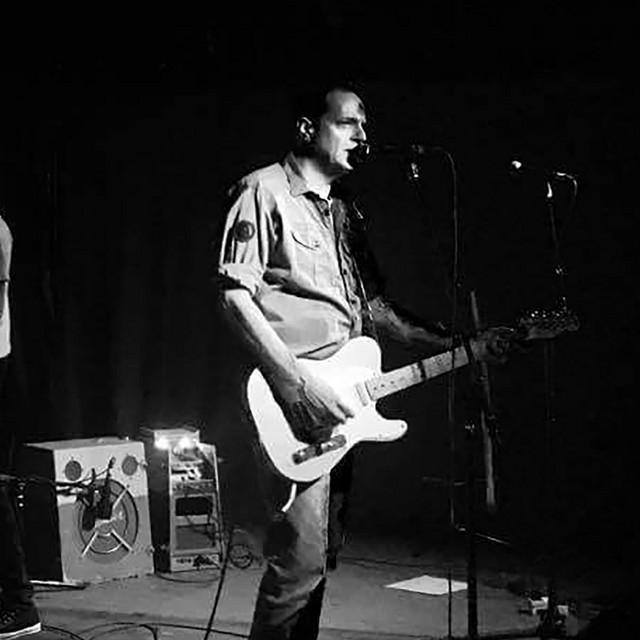
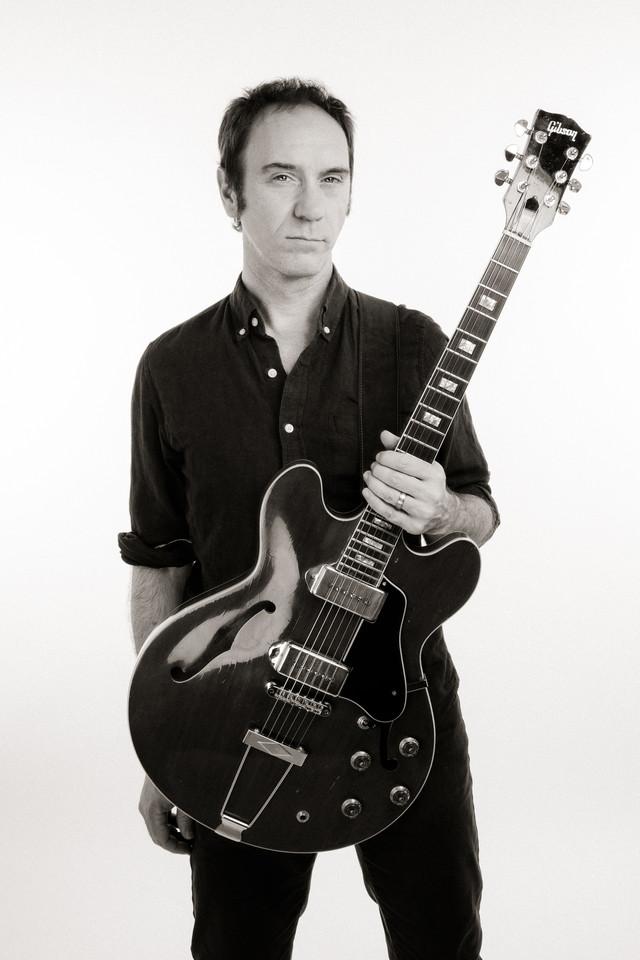
Doug Gillard’s Spotify BioOne of the best and busier sidemen in indie rock since the 1980s, Doug Gillard has established himself as a guitarist and songwriter who is just as comfortable with hooky pop tunes as full-on rock & roll, and has released a handful of solo recordings in addition to collaborating with a wide variety of well-respected acts. Gillard was born in Cleveland, Ohio on December 23, 1965, and first made waves in Ohio as a member of the glam-influenced indie/punk band Death of Samantha, who made their debut in 1983 and cut three albums between 1986 and 1989. After Death of Samantha broke up in 1990, Gillard made his solo debut, releasing a cassette-only album called It'll Be Such a Thrill, consisting of songs he wrote as a child. In 1992, Gillard and his Death of Samantha bandmate John Petkovic formed a new band, Cobra Verde, who made their recording debut in 1994 with the album Viva la Muerte; Gillard also launched a side project, Gem, with Scott Pickering from Prisonshake and Tim Tobias of Four… Coyotes. In 1996, Gillard and Cobra Verde found themselves playing for a considerably larger audience when Robert Pollard, after a series of disputes with his bandmates in Guided by Voices, fired the rest of the band and hired Cobra Verde en masse to serve as his band for the 1997 GbV album Mag Earwhig! and subsequent touring. A song Gillard originally wrote for Gem, "I Am a Tree," was included on Mag Earwhig!, and while Pollard soon moved past the Cobra Verde lineup, he kept Gillard on as lead guitarist, and he remained in the band until Pollard opted to retire Guided by Voices in 2004. During some downtime with Cobra Verde and Guided by Voices, Gillard cut a solo EP, Malamute Jute, in 1999, and as GbV was winding down in 2004, he made a full-length album, Salamander. In 2007, Gillard left Ohio for New York City, and was playing sessions with the likes of Richard Buckner, the Hold Steady, and Pollard's side project Boston Spaceships, as well as recording film music that was collected on the 2009 album Call from Restricted. In 2010, Gillard became a member of the band Nada Surf, and appeared on their album If I Had a Hi-Fi, as well as 2012's The Stars Are Indifferent to Astronomy. In 2011, Gillard teamed with Mark Rozzo, Eric Papparazi, and Ira Elliot to form an unusual Beatles tribute band, Bambi Kino, which specialized in replicating the rough and tumble rock & roll and rhythm & blues that were the Fab Four's stock in trade when they played in Hamburg before becoming stars. In 2013, Death of Samantha reunited for a handful of live shows and an album, If Memory Serves Us Well, in which they re-recorded some of their favorite material from their salad days. After taking a look at his musical past, Gillard swung back into the present in 2014 with the release of another solo effort, Parade On. ~ Mark Deming, Rovi
Viberate is a music analytics platform built for A&Rs, artist managers, labels, booking agents, marketers, and artists.
It helps music professionals track artist growth, analyze audience data, monitor playlist activity, compare artists, follow song performance, and identify opportunities across the music market.
Public artist pages provide a free preview of selected artist data. Paid plans provide access to deeper analytics, historical data, charts, comparisons, playlist tools, exports, alerts, reports, and additional professional features.
Yes. Public Viberate artist pages provide selected artist analytics and music data for free.
Viberate also offers a 7-day free trial of the full platform. A credit card is required to start the trial. The trial includes access to the complete product so users can test deeper artist analytics, historical views, playlist insights, comparisons, charts, exports, alerts, and reporting features before choosing a paid plan.
Viberate provides artist analytics across streaming, playlists, social media, video, radio airplay, songs, and audience markets.
Users can analyze Spotify performance, Spotify and Apple Music playlists, YouTube activity, TikTok and Instagram growth, radio spins, song performance, audience locations, demographics, rankings, and overall artist momentum.
Artist profiles also connect to music charts, similar artists, and comparison tools, helping users benchmark performance and evaluate artists in context.
Viberate updates key artist and track data daily.
For followed artists and tracks, selected data is refreshed multiple times per day. This helps teams monitor playlist changes, streaming movement, audience growth, releases, and campaign performance with more current data.
Update frequency can vary depending on the metric and data source.
Yes. Viberate lets users compare up to five artists side by side across streaming, social media, audience, and engagement metrics.
Users can compare fanbase growth, audience demographics, locations, Spotify performance, social metrics, and other artist data over selected time periods.
Artist comparison can be used for A&R scouting, benchmarking, booking decisions, campaign planning, and evaluating artists with similar audiences or market positions.