Boston Spaceships

Rock
Alternative Rock
Power Pop
 Viberate Rank: 441547
 Viberate Rank: 441547
 Monthly ListenersFollowers
 Subscribers
 Followers
 Followers
 FansTop Spotify Songs
| Track | 7-Day Streams | |
|---|---|---|
1 | 200 | |
2 | 180 | |
3 | 67 | |
4 | 46 | |
5 | 46 |
Top YouTube VideosMonthly ListenersFeatured in Playlists| Playlist | Followers | |
|---|---|---|
1 |  Scott Pilgrim 64 Bryan Lee O'Malley | 6.92K |
2 |  Off Your Face anton newcombe | 5.86K |
3 |  History of Power Pop Luthercal | 2.00K |
4 |  The Best Show on WFMU Jared Duncan | 1.51K |
5 | J Mascis guests benscheim | 1.06K |
Audience| City | Monthly Listeners | |
|---|---|---|
1 | | 32 |
2 | | 31 |
3 | | 29 |
4 | | 29 |
5 | | 24 |
See full performance history, audience data, playlist activity, rankings, comparisons, and more in Viberate music analytics. Start with a free trial, then continue with a paid plan.
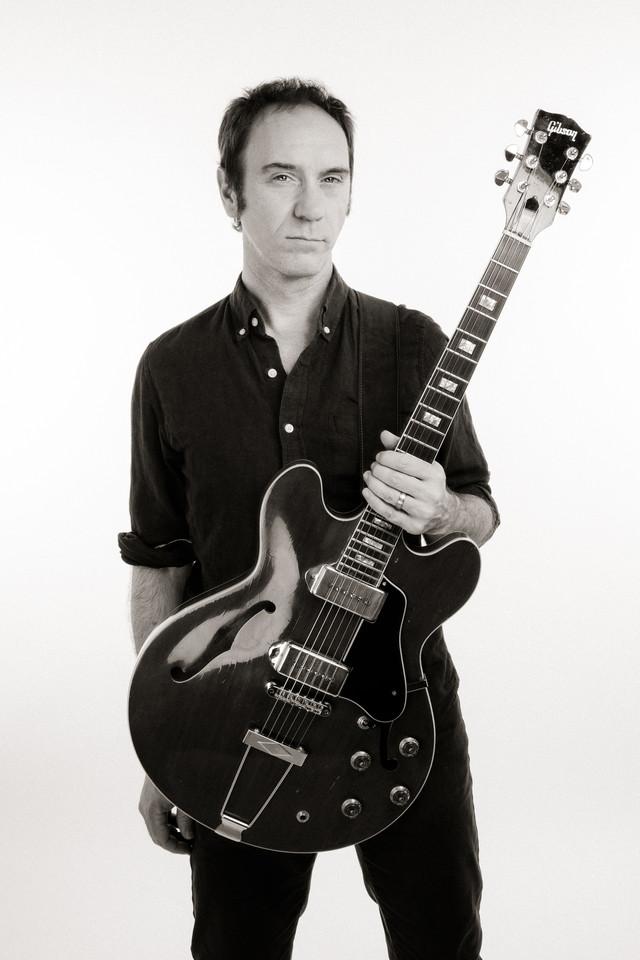
Boston Spaceships’ Spotify BioAfter disbanding Guided by Voices late in 2004, the ever prolific and busy Robert Pollard worked on solo projects, set up his own Guided by Voices label, and nursed a few GBV odds and ends through the pipeline before starting a new band, Boston Spaceships, with Chris Slusarenko (the Takeovers, Sprinkler) and John Moen (the Decemberists, the Dharma Bums). The band played only seventeen live shows total during their tenure, existing primarily as a recording project except for a single short tour in the fall of 2008. Working Pollard's familiar but skewed take on past garage and pop styles, Boston Spaceships released Brown Submarine in 2008 and Planets Are Blasted and Zero to 99 in 2009, all on Pollard's Guided by Voices imprint. Our Cubehouse Still Rocks followed in 2010. The trio reconvened in 2011 to record Let It Beard, a 70 minute epic album that includes guitar work by Colin Newman of Wire, J. Mascis of Dinosaur Jr., Steve Wynn of the Dream Syndicate, and Mick Collins of the… Dirtbombs. Following the epic scale of Let It Beard, Pollard broke up the band in 2011, deciding they could never top the grandeur of their final album. A best of collection appropriately titled Greatest Hits of Boston Spaceships arrived in 2012. ~ Steve Leggett, Rovi
Viberate is a music analytics platform built for A&Rs, artist managers, labels, booking agents, marketers, and artists.
It helps music professionals track artist growth, analyze audience data, monitor playlist activity, compare artists, follow song performance, and identify opportunities across the music market.
Public artist pages provide a free preview of selected artist data. Paid plans provide access to deeper analytics, historical data, charts, comparisons, playlist tools, exports, alerts, reports, and additional professional features.
Yes. Public Viberate artist pages provide selected artist analytics and music data for free.
Viberate also offers a 7-day free trial of the full platform. A credit card is required to start the trial. The trial includes access to the complete product so users can test deeper artist analytics, historical views, playlist insights, comparisons, charts, exports, alerts, and reporting features before choosing a paid plan.
Viberate provides artist analytics across streaming, playlists, social media, video, radio airplay, songs, and audience markets.
Users can analyze Spotify performance, Spotify and Apple Music playlists, YouTube activity, TikTok and Instagram growth, radio spins, song performance, audience locations, demographics, rankings, and overall artist momentum.
Artist profiles also connect to music charts, similar artists, and comparison tools, helping users benchmark performance and evaluate artists in context.
Viberate updates key artist and track data daily.
For followed artists and tracks, selected data is refreshed multiple times per day. This helps teams monitor playlist changes, streaming movement, audience growth, releases, and campaign performance with more current data.
Update frequency can vary depending on the metric and data source.
Yes. Viberate lets users compare up to five artists side by side across streaming, social media, audience, and engagement metrics.
Users can compare fanbase growth, audience demographics, locations, Spotify performance, social metrics, and other artist data over selected time periods.
Artist comparison can be used for A&R scouting, benchmarking, booking decisions, campaign planning, and evaluating artists with similar audiences or market positions.