Versus

Rock
Indie Rock
Indie Pop
 Viberate Rank: 284574
 Viberate Rank: 284574
 Monthly ListenersFollowers
 Subscribers
 Followers
 Followers
 FansTop Spotify Songs
| Track | 7-Day Streams | |
|---|---|---|
1 | 731 | |
2 | 646 | |
3 | 321 | |
4 | 284 | |
5 | 174 |
Top YouTube VideosMonthly ListenersFeatured in Playlists| Playlist | Followers | |
|---|---|---|
1 |  1990s Punk & Indie Numero Group | 16.20K |
2 |  Bones (Full Soundtrack) kurtabum | 6.19K |
3 |  the jangle pop masterlist Arielle | 5.96K |
4 |  Matador Recommends Matador Records | 4.81K |
5 |  90s Alternative Rock & Indie: Hits & Deep Cuts Carefully Curated. | 3.61K |
Audience| City | Monthly Listeners | |
|---|---|---|
1 | | 149 |
2 | | 124 |
3 | | 114 |
4 | | 110 |
5 | | 89 |
See full performance history, audience data, playlist activity, rankings, comparisons, and more in Viberate music analytics. Start with a free trial, then continue with a paid plan.
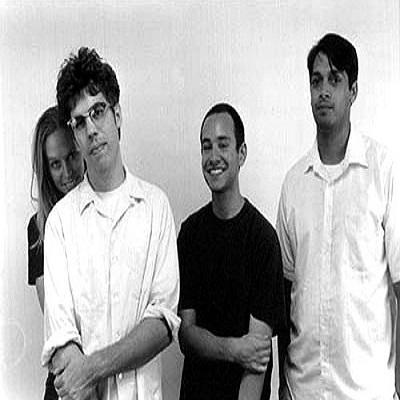
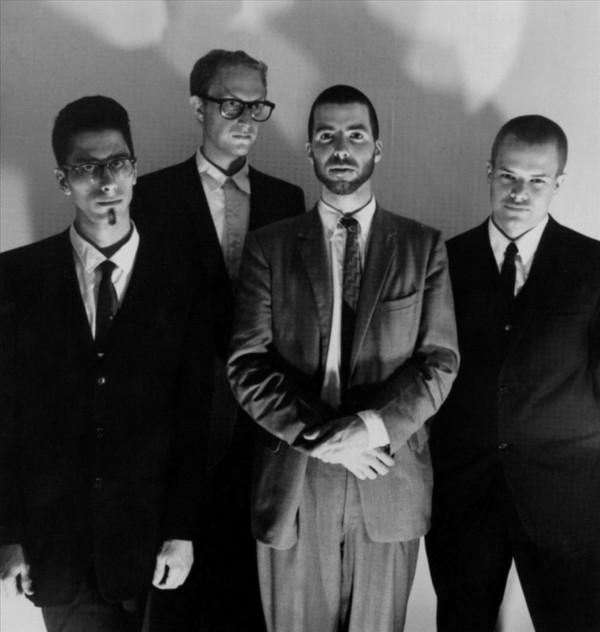
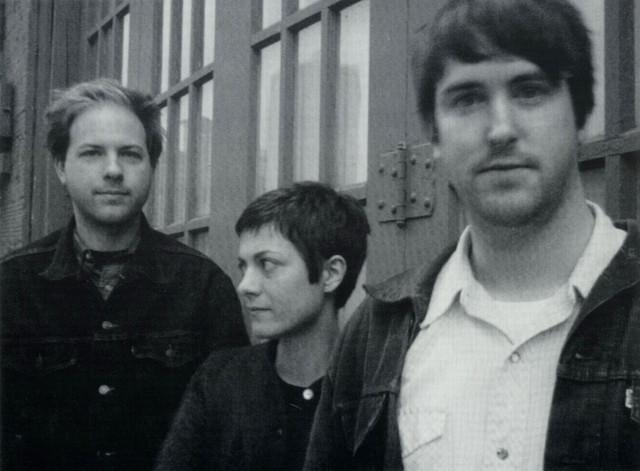
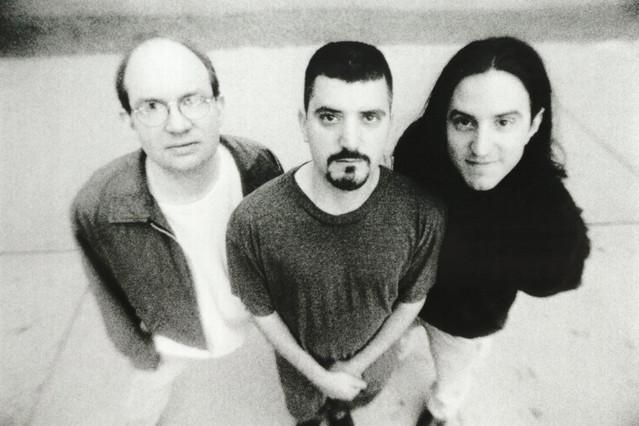
Versus’ Spotify BioA staple of the New York City indie rock scene throughout the '90s, Versus brought a level of intricate musicianship to their noisy pop songs. Over the course of four records and a bevy of singles, the band developed from dissonant beginnings into a more sophisticated songwriting style on their 2000 album Hurrah. After a decade-long break, the band returned with fifth album On the Ones and Threes in 2010.
Versus evolved from the remnants of Flower, a band led by singer/guitarist Richard Baluyut. In the final months of Flower's existence, the group was joined by vocalist/guitarist Fontaine Toups, who remained with Baluyut in the short-lived Saturnine before the duo formed Versus (borrowing the name from an LP by Mission of Burma) with Baluyut's brother Ed. After playing their first shows with a lineup comprised of three guitars and a drum machine, Ed Baluyut relocated to the Philippines, and Toups switched over to bass; upon Ed's return, he assumed drumming duties, and Versus issued… their 1992 debut single, "Insomnia." In 1993, the trio issued the stellar EP Let's Electrify!, a taut, melodic collection spotlighting complex guitar work and odd harmonies. After signing to the Teen Beat label, Versus issued their 1994 full-length debut, The Stars Are Insane (originally titled Meat, Sports and Rock, three subjects the band ardently supported, much to the dismay of the prevailing indie scene mentality of the moment). A collection of singles, compilation tracks, and demos titled Dead Leaves appeared in 1995, followed in early 1996 by the EP Deep Red. Another Baluyut brother, James, signed on for the 1996 LP Secret Swingers; the album was also Ed's last, with new drummer Patrick Ramos enlisting for 1998's Two Cents Plus Tax. The Afterglow EP followed on Merge Records a year later, and in 2000 Versus returned with the EP Shangri-La and the band's fourth studio effort, Hurrah. The group took an extended break for the majority of the 2000s before finally reuniting for 2010's On the Ones and Threes, which featured the return of original drummer Ed Baluyut. The band played sporadically in their newly re-formed state, entering the studio to work on new material every so often as well. In 2019, new songs arrived in the form of the four-track EP Ex Nihilo early in the year and continued with full-length Ex Voto in the summer. ~ Jason Ankeny, Rovi
Viberate is a music analytics platform built for A&Rs, artist managers, labels, booking agents, marketers, and artists.
It helps music professionals track artist growth, analyze audience data, monitor playlist activity, compare artists, follow song performance, and identify opportunities across the music market.
Public artist pages provide a free preview of selected artist data. Paid plans provide access to deeper analytics, historical data, charts, comparisons, playlist tools, exports, alerts, reports, and additional professional features.
Yes. Public Viberate artist pages provide selected artist analytics and music data for free.
Viberate also offers a 7-day free trial of the full platform. A credit card is required to start the trial. The trial includes access to the complete product so users can test deeper artist analytics, historical views, playlist insights, comparisons, charts, exports, alerts, and reporting features before choosing a paid plan.
Viberate provides artist analytics across streaming, playlists, social media, video, radio airplay, songs, and audience markets.
Users can analyze Spotify performance, Spotify and Apple Music playlists, YouTube activity, TikTok and Instagram growth, radio spins, song performance, audience locations, demographics, rankings, and overall artist momentum.
Artist profiles also connect to music charts, similar artists, and comparison tools, helping users benchmark performance and evaluate artists in context.
Viberate updates key artist and track data daily.
For followed artists and tracks, selected data is refreshed multiple times per day. This helps teams monitor playlist changes, streaming movement, audience growth, releases, and campaign performance with more current data.
Update frequency can vary depending on the metric and data source.
Yes. Viberate lets users compare up to five artists side by side across streaming, social media, audience, and engagement metrics.
Users can compare fanbase growth, audience demographics, locations, Spotify performance, social metrics, and other artist data over selected time periods.
Artist comparison can be used for A&R scouting, benchmarking, booking decisions, campaign planning, and evaluating artists with similar audiences or market positions.