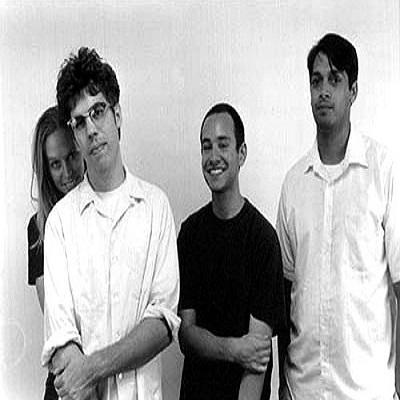
Portastatic

Rock
Indie Rock
 Viberate Rank: 321340
 Viberate Rank: 321340
 Monthly ListenersFollowers
 Subscribers
 Followers
 Followers
 FansTop Spotify Songs
| Track | 7-Day Streams | |
|---|---|---|
1 | 389 | |
2 | 244 | |
3 | 237 | |
4 | 191 | |
5 | 80 |
Top YouTube VideosMonthly ListenersFeatured in Playlists| Playlist | Followers | |
|---|---|---|
1 |  the jangle pop masterlist Arielle | 5.96K |
2 | This American Life Background Music Andrew McNair | 5.70K |
3 | I heard it on Marketplace marketplaceapm | 5.01K |
4 |  The Sound of Lo-Fi The Sounds of Spotify | 3.19K |
5 | Songs In The Key Of Yuck Yuck | 2.73K |
Audience| City | Monthly Listeners | |
|---|---|---|
1 | | 90 |
2 | | 86 |
3 | | 75 |
4 | | 72 |
5 | | 49 |
See full performance history, audience data, playlist activity, rankings, comparisons, and more in Viberate music analytics. Start with a free trial, then continue with a paid plan.
Portastatic’s Spotify BioMac McCaughan became an indie rock hero while fronting Superchunk and by founding and managing the successful Merge Records -- Portastatic was the outlet for his solo recordings and songs that didn't quite fit his day job band. The side project began in 1992 when Tom Scharpling of 18 Wheeler Records asked McCaughan to release some of his lo-fi four-track recordings; he obliged with the singles "Sandals with White Socks" and "Starter." Then in 1994 McCaughan released an entire Portastatic album, I Hope Your Heart Is Not Brittle, followed by the Scrapbook EP and more albums, 1995's Slow Note from a Sinking Ship and 1997's The Nature of Sap, which progressively became less lo-fi in nature. Released in 2000, the De Mel, de Melão EP paid homage to classic Brazilian artists like Caetano Veloso and Arnaldo Baptista. In 2001 McCaughan returned with Looking for Leonard, the score to a film written and directed by Superchunk fans Matt Bissonette and Steven Clark.
Around this time Superchunk went… into semi-retirement and Portastatic became McCaughan's full-time group and a real band with revolving membership (though often including Superchunk'sJim Wilbur on drums). The full-length Summer of the Shark was released in 2003, followed by an album of covers and live songs (Autumn Was a Lark) later that same year. As Merge's profile in the indie world and beyond continued to grow (Arcade Fire and Spoon even reaching the upper reaches of the Billboard charts), so did the quality of Portastatic's output. Bright Ideas (2005) and Be Still Please (2006) are excellent albums that exhibit McCaughan's first-rate songwriting, and his 2006 soundtrack for Who Loves the Sun shows off his arranging and composing skills. In 2008 the band released a career-spanning collection of rarities and singles, Some Small History. ~ John Bush & Tim Sendra, Rovi
Viberate is a music analytics platform built for A&Rs, artist managers, labels, booking agents, marketers, and artists.
It helps music professionals track artist growth, analyze audience data, monitor playlist activity, compare artists, follow song performance, and identify opportunities across the music market.
Public artist pages provide a free preview of selected artist data. Paid plans provide access to deeper analytics, historical data, charts, comparisons, playlist tools, exports, alerts, reports, and additional professional features.
Yes. Public Viberate artist pages provide selected artist analytics and music data for free.
Viberate also offers a 7-day free trial of the full platform. A credit card is required to start the trial. The trial includes access to the complete product so users can test deeper artist analytics, historical views, playlist insights, comparisons, charts, exports, alerts, and reporting features before choosing a paid plan.
Viberate provides artist analytics across streaming, playlists, social media, video, radio airplay, songs, and audience markets.
Users can analyze Spotify performance, Spotify and Apple Music playlists, YouTube activity, TikTok and Instagram growth, radio spins, song performance, audience locations, demographics, rankings, and overall artist momentum.
Artist profiles also connect to music charts, similar artists, and comparison tools, helping users benchmark performance and evaluate artists in context.
Viberate updates key artist and track data daily.
For followed artists and tracks, selected data is refreshed multiple times per day. This helps teams monitor playlist changes, streaming movement, audience growth, releases, and campaign performance with more current data.
Update frequency can vary depending on the metric and data source.
Yes. Viberate lets users compare up to five artists side by side across streaming, social media, audience, and engagement metrics.
Users can compare fanbase growth, audience demographics, locations, Spotify performance, social metrics, and other artist data over selected time periods.
Artist comparison can be used for A&R scouting, benchmarking, booking decisions, campaign planning, and evaluating artists with similar audiences or market positions.